
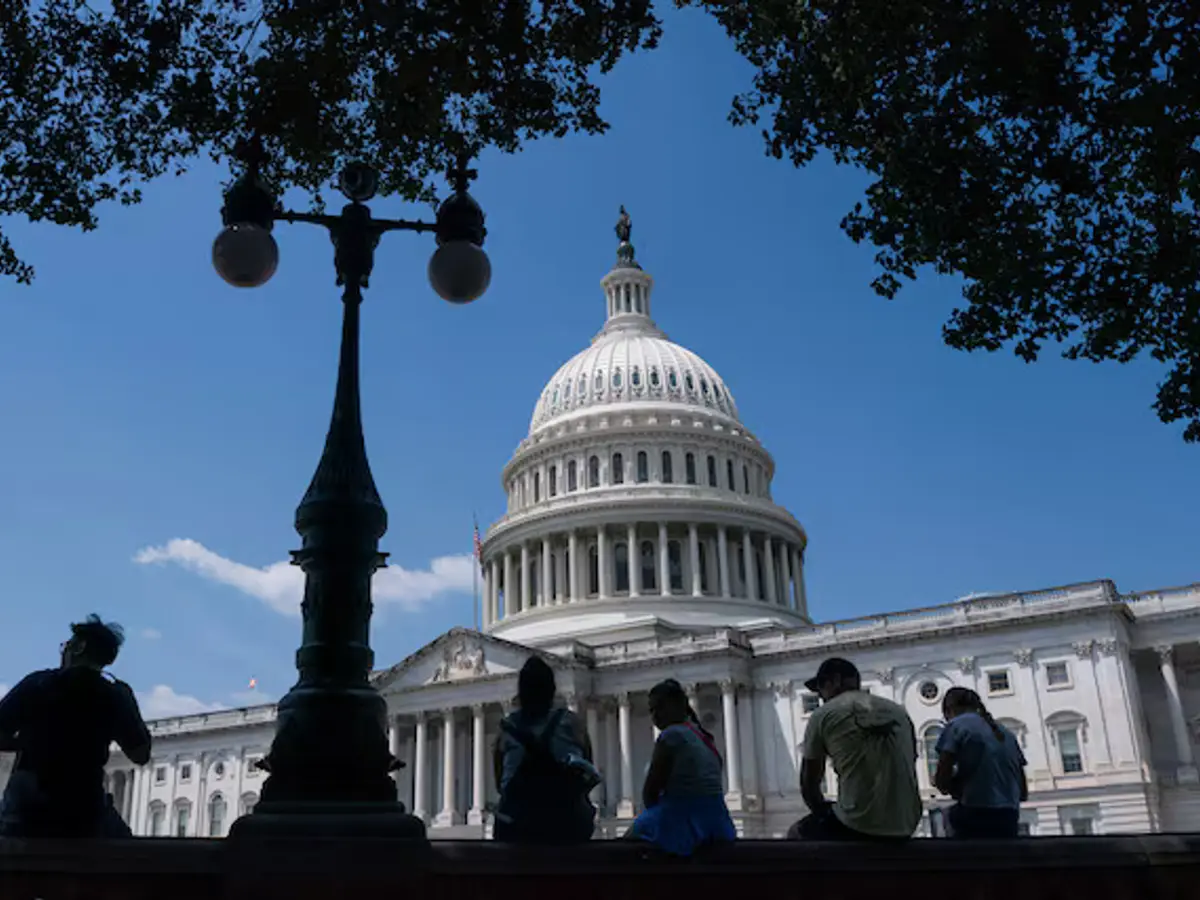
In a landmark decision that could redefine the digital currency landscape,
the U.S. House of Representatives approved three key pieces of
legislation related to cryptocurrencies on July 17. This move signifies
the most comprehensive attempt by the federal government to establish
regulatory guidelines for digital assets. At the heart of this legislative
package is the Stablecoin Innovation and Protection Act, also known as the
Genius Act. This act aims to create a much-needed federal framework for
stablecoins – cryptocurrencies designed to maintain a steady value,
usually pegged to the U.S. dollar or other secure assets. The bill is
now awaiting President’s signature, expected to occur by July 18.
Alongside the Genius Act, the House also passed the Digital Asset
Regulatory Clarity Act, which seeks to clarify the regulatory structure
for cryptocurrencies, and a measure preventing the Federal Reserve from
issuing a central bank digital currency (CBDC). These bills will now move
to the Senate for consideration. This suite of legislation represents a
pivotal moment for the digital asset industry in its pursuit of
legitimacy and federal oversight.
Breaking Down the Genius Act and Digital Asset Regulatory Clarity
Act
The Genius Act, which garnered bipartisan backing and passed with a vote
of 308-122, establishes a federal regulatory system for stablecoins – a
market valued at $238 billion that has experienced rapid expansion in
recent years. Stablecoins are digital tokens designed to maintain a
stable value, typically around $1, by being backed by reserves of U.S.
dollars or other highly liquid assets, such as short-term Treasury bills.
The new law will require all stablecoin issuers, including banks and crypto
firms, to:
-
Maintain sufficient reserves to fully support the value of the
stablecoins they issue. -
Provide monthly public reports detailing the composition of their
reserves. -
Adhere to strict liquidity and transparency standards to bolster consumer
confidence.
The Digital Asset Regulatory Clarity Act, approved with a vote of 294-134,
is designed to resolve long-standing regulatory uncertainties by defining
the criteria that determine whether a cryptocurrency should be classified
as a security or a commodity. This is a crucial distinction that has been
at the center of disputes between crypto companies and the U.S. Securities
and Exchange Commission (SEC). The act aims to:
Trending Stories
-
)
6-minute total solar eclipse will plunge major parts of
world into darkness. Is your city on the list?
-
)
Astronomer CEO Andy Byron’s wife drops last name from
social media profiles, deactivates account after viral ‘kiss
cam’ clip
-
)
Why is India where it is? Because ‘ghost’ force under Oman
pushed it 40 million years ago
-
)
Voyager 1 at one light-day: Spacecraft to reach unthinkable
milestone after 49 years
-
)
India test-fires Prithvi-II and Agni-I ballistic missiles
successfully under nuclear command
-
&im=FitAndFill=(700,400))
Who rules the skies? Meet top 10 nations with most advanced
fighter jets
-
&im=FitAndFill=(700,400))
From Virat Kohli to MS Dhoni, 5 Indian batters fastest to
5000 ODI runs – Sachin Tendulkar not on the list
-
&im=FitAndFill=(700,400))
7 must-watch psychological thriller series you can’t miss on
Netflix, Prime and more
-
&im=FitAndFill=(700,400))
Stimulus payments worth $300 to $1,700 coming in July: Do
you qualify? Here’s how you can claim your rebate
-
)
‘I win trust of CEOs’: Kristin Cabot, Astronomer HR chief
caught on Coldplay kiss cam with her boss, once bragged
-
&im=FitAndFill=(700,400))
The greatest fighter jets that never flew: Top 8 cancelled
fighter jets that had serious potential
-
)
Exclusive: Horse racing needs security. We can’t dream if
we’re unsure about tomorrow’, says Indian jockey Suraj
Narredu
-
)
Skin-toned makeup or health issue? Trump’s swollen ankles,
bruised hands pave way for rumours – Here’s what doctors
said
-
)
US designates TRF, involved in Pahalgam attack, as terrorist
group, proxy of Pak-based LeT