
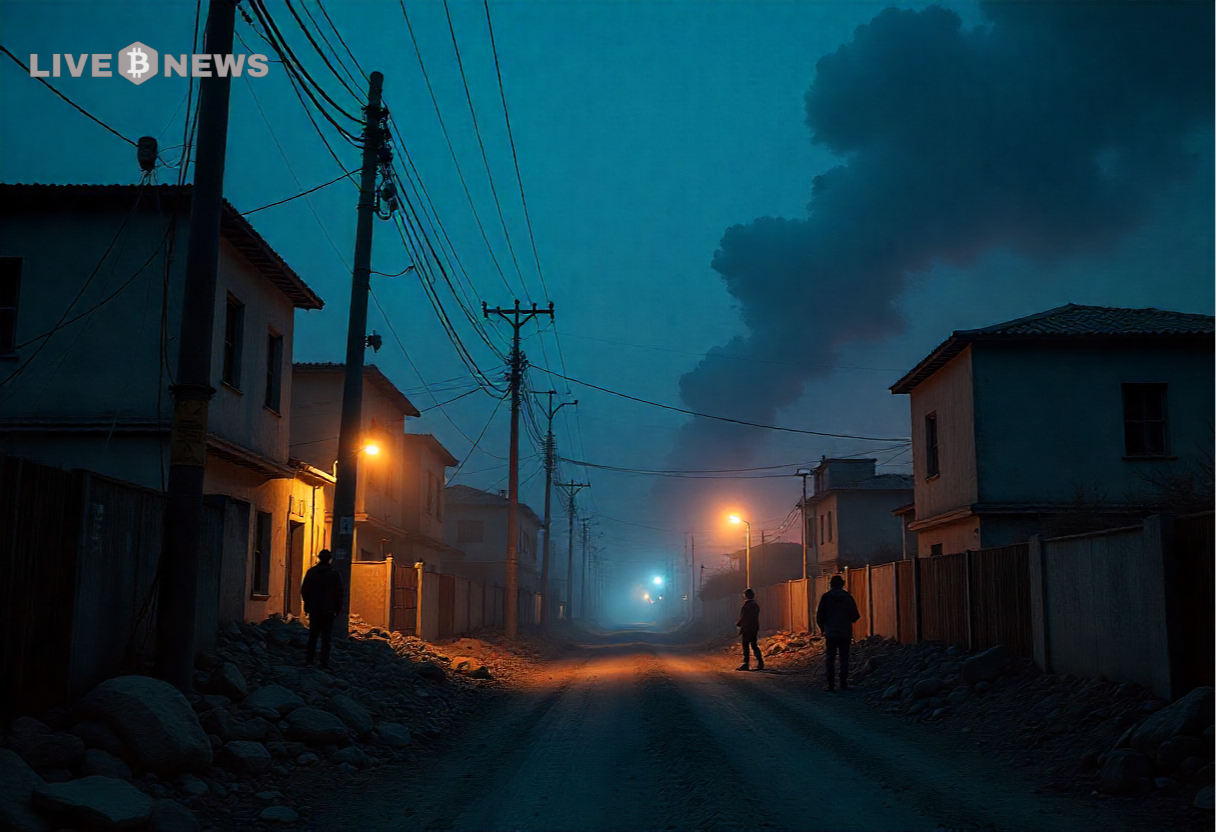
- Allegations surface linking the Revolutionary Guards to clandestine cryptocurrency mining operations.
- Electricity shortages exacerbate existing economic and social tensions.
Iran is grappling with a severe energy challenge, with citizens pointing fingers at cryptocurrency mining as a major culprit behind frequent power disruptions. These outages are severely impacting everyday life, deepening the nation’s energy deficit.
Reports suggest that covert cryptocurrency farms, purportedly managed by the Revolutionary Guards, are illegally drawing significant power from the national grid.
This escalation in digital currency mining is intensifying the country’s ongoing energy woes. According to The Observer, homes, businesses, and vital industries are frequently left without electricity as the power grid buckles under the strain.
This situation highlights growing divisions between Iran’s ruling establishment and its people.
Cryptocurrency Mining Fuels Public Anger: Who is Depleting Iran’s Power Supply?
Cryptocurrency mining is an energy-intensive activity, often relying on unauthorized or subsidized electricity. Large-scale mining facilities, reportedly run by Revolutionary Guard units, consume vast amounts of power, exacerbating the national energy shortage.
Frustration is mounting among Iranian citizens. One resident told The Observer that these blackouts are devastating daily life, damaging appliances and disrupting routines.
Citizens are accusing authorities of prioritizing cryptocurrency miners, even while neighborhoods experience power cuts, fueling accusations of betrayal.
A Tehran resident expressed their frustration: “These power cuts are relentless, I can’t take it anymore. They’re constantly mining cryptocurrencies, while we are left in the dark.”
Blackouts and Economic Hardship: The Widespread Impact of Cryptocurrency Mining
Widespread blackouts are forcing businesses and schools to curtail operations, further weakening Iran’s economy, which is already strained by international sanctions.
Both urban and rural areas are suffering from energy shortages, adding to public discontent. Experts are warning about the impact of cryptocurrency mining on the availability of electricity for essential services.
The Observer highlights that subsidized energy, intended for ordinary citizens, is being diverted to fuel digital currency ventures. This perceived unfair allocation is fueling resentment toward the Revolutionary Guards.
While state-owned power plants are already operating at full capacity, mining of digital currencies further depletes resources. The environmental toll is also rising, with some miners resorting to costly diesel generators when the grid fails.
Iran’s Energy Crisis Exposes Deeper Political Conflicts
Because the Revolutionary Guards control much of the cryptocurrency mining, balancing energy supply and fair distribution becomes increasingly difficult.
The Observer’s report indicates that while cryptocurrency mining generates some revenue, it ultimately drains vital resources.
Decades of under-investment in energy infrastructure are now compounded by the strain of cryptocurrency mining, leading to more frequent blackouts and greater public anger.
Sanctions complicate fuel imports, leaving Iran struggling to balance economic priorities with its growing energy needs. The increasing number and size of cryptocurrency farms are making electricity demand a critical problem.