
Recently, the online game marketplace Itch.io removed a significant number of games containing mature or “NSFW” elements. These titles are no longer visible to users browsing or searching the platform. Some developers have also reported that their games were completely taken down. Among those affected was “Mouthwashing,” which was named Rock Paper Shotgun’s Game of the Year for 2024.
In an official statement, Itch.io cited pressure from payment processing companies and actions by Collective Shout, an Australian advocacy group, as the reason for the removal of the adult-themed games. Collective Shout aims to remove games promoting sexual violence and the sexualization of minors. The group has also faced scrutiny for alleged connections to right-leaning religious organizations that oppose legal sex work and LGBTQ+ expression.
Previously, Collective Shout successfully influenced Valve to modify Steam’s content policies. This shift allowed banks and payment companies to decide what qualifies as “adult” material on Steam. This resulted in several Steam games being delisted or removed, although not on the same scale as the recent Itch.io actions.
Many of the Itch.io delistings might be temporary. The platform has stated that it might reinstate them after performing a thorough review of content to meet the requirements of its payment processors. After the review, Itch.io plans to implement new compliance procedures where developers of NSFW games will need to confirm that their content follows the policies of the payment processors linked to their accounts.
Before publicly announcing these new rules, Itch.io updated its developer terms and conditions. The changes include a list of prohibited themes that payment networks generally disapprove of. To publish on Itch.io, developers will need to adhere to this list, which is explicitly described as non-exhaustive. The list includes:
- Content depicting non-consensual acts (real or implied)
- Themes related to minors or those “barely legal”
- Incestuous or pseudo-incestuous content
- Bestiality or animal-related themes
- Content involving rape, coercion, or force
- Scenes with sex trafficking
- Revenge porn or depictions of voyeurism/hidden cameras
- Fetishes involving bodily waste or extreme harm (e.g., scat or vomit)
Building on previous discussions regarding Collective Shout’s arguments, it’s understandable that games explicitly promoting rape or contributing to a culture that supports sexual assault should not be featured on platforms like Itch.io or Steam. However, the current list fails to differentiate between such games and those that depict rape as part of a story without endorsing it, or those that feature BDSM fantasies where consent is emphasized. The term “sexual trafficking implications” is also ambiguous as it is unclear whether it prohibits a game from including trafficking as a plot element, even if it doesn’t promote it.
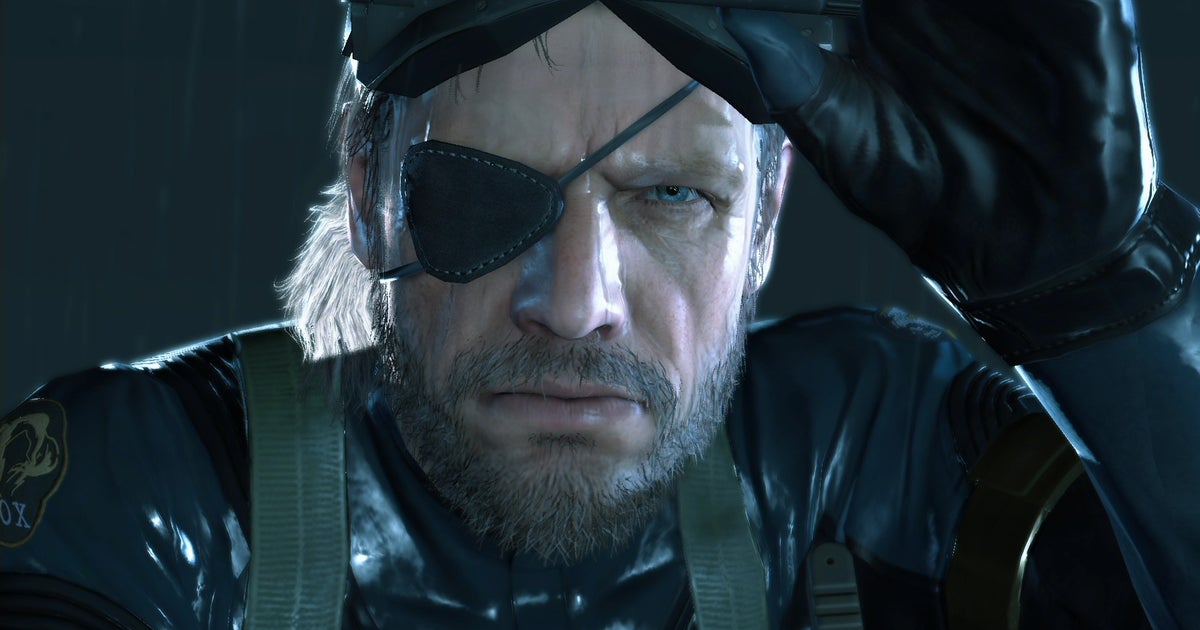
There’s a strong case to be made that “Mouthwashing” and several others violate some of these prohibitions. Similarly, games like “Metal Gear Solid: Ground Zeroes”, “The Sims”, “Sonic The Hedgehog 2006”, “The Crush House”, “Mortal Kombat”, “Final Fantasy VII” and “Viva Pinata” could be seen as infringing on the rules. Although Itch.io claims to be reviewing each game individually, developers of NSFW content should consider the risks before releasing their games on the platform.
Collective Shout has confirmed they requested Itch.io remove games featuring rape and incest. They believed these games normalized violence and abuse against women. Interestingly, they have distanced themselves from many of the Itch.io delistings, stating that they did not request the removal of “all” NSFW content. They also reported receiving abuse and threats online.
Collective Shout claims that they “called on Itch.io to remove rape and incest games that we argued normalised violence and abuse of women,” and that “Itch.io made the decision to remove all NSFW content. Our objections were to content that involved sexualised violence and torture of women”. The organization pointed to an article citing Melinda Tankard Reist stating that Itch.io’s actions have gone “far beyond her request to ban sexually violent games”.
To strengthen their case, Collective Shout should provide detailed examples of the games they requested to be removed from Itch.io, and explain why they believe those games are harmful. This transparency is particularly important given their history of misrepresenting games like “GTA 5” and “Detroit: Become Human.” It would also be beneficial for them to acknowledge and support the queer creators who have been impacted by Itch.io’s mass delisting, reinforcing their past condemnations of homophobia.