
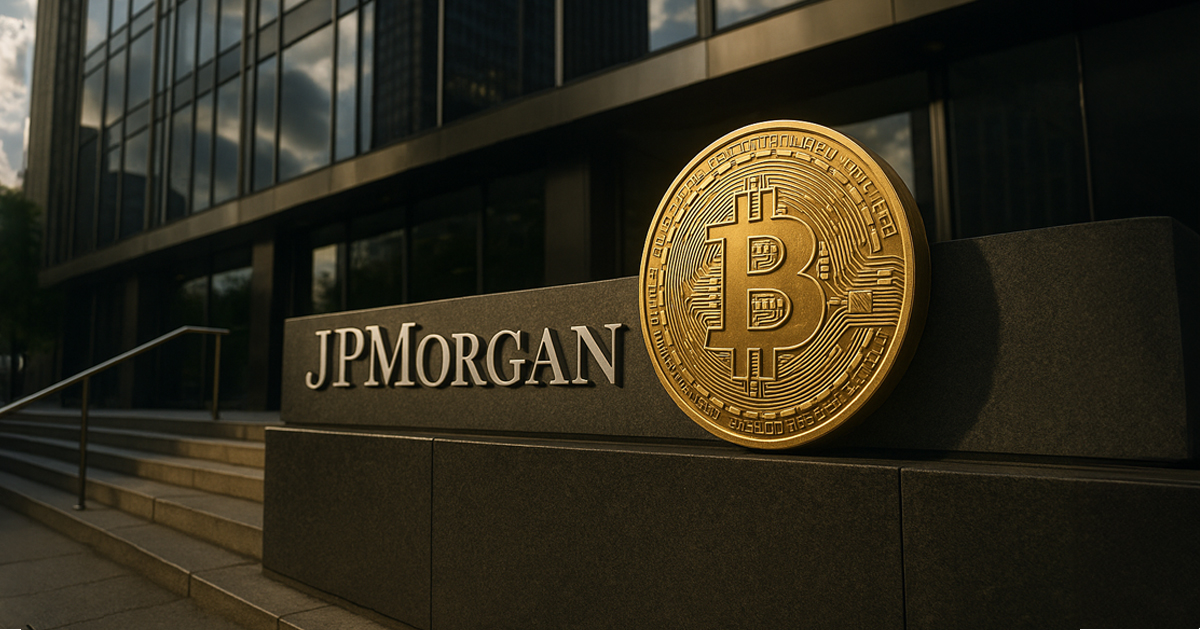

A notable development is unfolding within the world’s leading financial institution, signaling a potential turning point in the relationship between cryptocurrencies and traditional banking.
JPMorgan Chase is making preparations to allow its institutional clientele to utilize Bitcoin and Ethereum as collateral when securing cash loans, according to reports. This arrangement would permit the bank’s borrowing clients to pledge these leading cryptocurrencies, based on market capitalization, through approved third-party custodians like Coinbase.
The anticipated launch of this initiative is slated for the close of 2025.
This decision is particularly significant given that Jamie Dimon, the CEO of the financial powerhouse, is known for his critical stance on cryptocurrencies, famously labeling Bitcoin as a “fraud.” However, the rising demand and interest in the digital asset space appears to be prompting the firm to embrace and support product offerings in this sphere.
A Fresh Era for Digital Asset-Backed Loans
JPMorgan’s action could quietly reshape the dynamics connecting digital assets and the established, regulated credit landscape.
According to insights from Galaxy Research, the total value of open Centralized Finance (CeFi) loans reached $17.78 billion as of June 30th, reflecting a 15% increase from the previous quarter and a substantial 147% surge year-over-year.
Incorporating decentralized loans, the overall value of outstanding collateralized crypto credit hit $53.09 billion during the second quarter of 2025, marking the third-highest figure recorded to date.
These figures point to a developing pattern where borrowing activity tends to increase alongside rises in digital asset values, leading to improved credit spreads that make loans more appealing to traders and corporate treasuries.
Additionally, corporations are increasingly utilizing crypto-backed lending as a means to finance their operations, opting for secured debt against digital assets rather than issuing equity.
In light of these trends, JPMorgan’s move appears less like an experiment and more like a strategic move to align itself with the developments occurring within the burgeoning digital asset industry.
Crypto analyst Shanaka Anslem Perera suggests this model could potentially unlock an immediate lending capacity of $10 billion to $20 billion for hedge funds, corporate treasuries, and large asset managers seeking dollar liquidity without needing to liquidate their digital asset holdings.
In essence, this means companies can now leverage their digital assets to raise capital in a manner similar to traditional assets such as U.S. Treasuries or high-value equities.
The Importance of JPMorgan’s Decision
While the concept of crypto-collateralized lending is already prevalent within Decentralized Finance (DeFi) protocols and smaller CeFi lenders, JPMorgan’s involvement signifies the institutionalization of this practice.
The bank’s entry is an indicator that digital assets have reached a level of maturity that aligns with the compliance, custody, and risk-management standards of global finance.
Matt Sheffield, Chief Investment Officer at Ethereum-focused treasury firm SharpLink, anticipates this could reshape balance sheet management across various asset managers and funds.
According to Sheffield:
“Many traditional financial institutions who rely on trading with banks to date need to choose between holding spot ETH OR other positions. The largest investment bank in the world is here to change that. With the ability to borrow against positions held in third-party custodians, you can build a more productive portfolio, increasing the value of the collateral asset. “
Moreover, this initiative strengthens JPMorgan’s overall engagement with the crypto space. The bank has been developing Onyx, its blockchain-based settlement network, facilitated billions in tokenized payments, and explored digital asset repurchase agreements over the last few years.
Accepting BTC and ETH as loan collateral effectively completes the process, encompassing issuance, settlement, and credit activities, all of which interact with blockchain infrastructure.
Sheffield also forecasts this development will spark a “competitive cascade” among major banking institutions, stating:
“This starts a wave. Being first is what scares large institutions. The rest will follow with the decision de-risked, because no action would leave them uncompetitive.”
Several rival firms, like Citi and Goldman Sachs, have already expanded their digital asset custody and repo programs. BlackRock has also incorporated tokenized treasuries (BUIDL) into its fund ecosystem, while Fidelity has increased its institutional crypto desk headcount by double this year.
Future Outlook
Despite the growing acceptance of digital assets within Wall Street circles, challenges persist.
Banks venturing into this area must address the inherent volatility associated with cryptocurrencies, navigate uncertain regulatory capital treatments, and manage ongoing counterparty risks. These considerations can limit the scale to which they aggressively expand their crypto-backed lending activities.
U.S. regulators have yet to provide specific capital-weighting guidelines for digital collateral, leading institutions to depend on cautious internal models. Even with third-party custodians handling custody risks, close regulatory oversight is anticipated.
Nevertheless, the overall trend is clear: digital assets are progressively becoming interwoven within the framework of global credit markets.
Bitcoin analyst Joe Consorti commented that these actions demonstrate:
“The global financial system is slowly recollateralizing itself around the highest quality asset known to man.”