
Authored by: Bill Repasky, legal professional at Frost Brown Todd LLP
With over 55 million individuals in the United States actively utilizing cryptocurrency, digital currencies have firmly established themselves as a vital element of our nation’s economic framework.
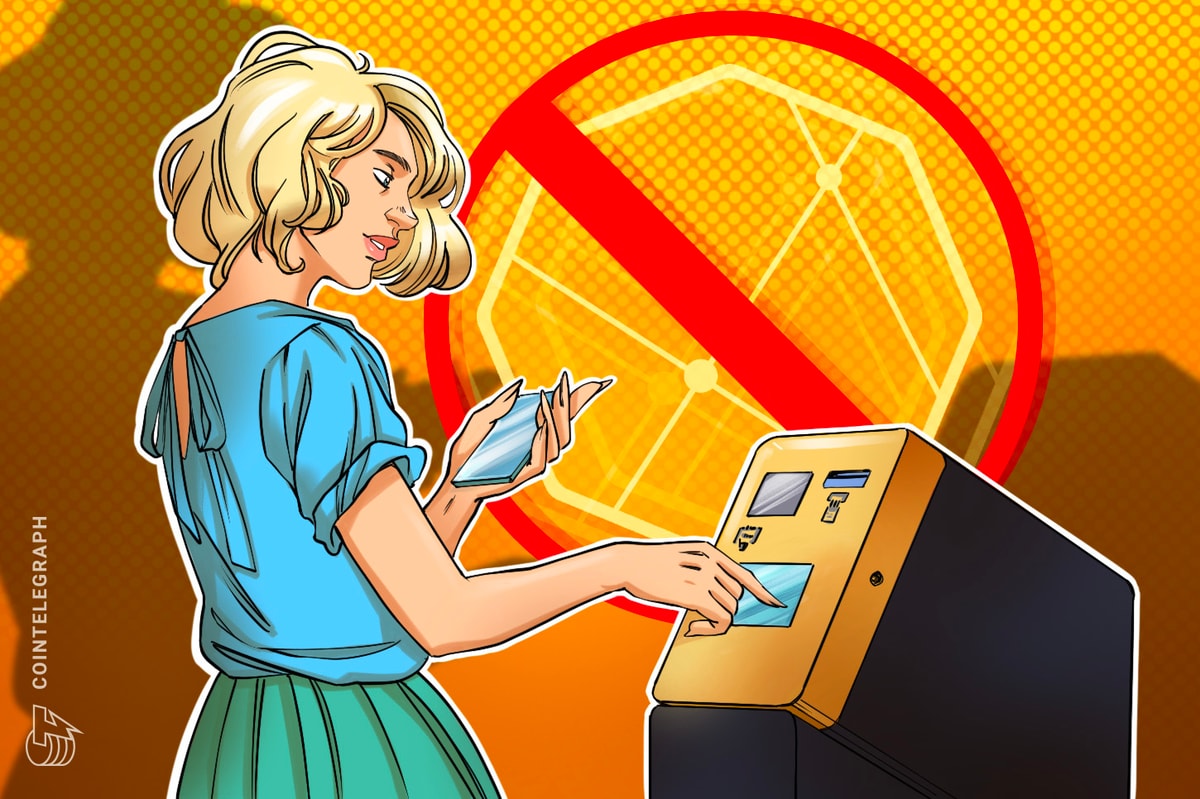
Mirroring the functionality of traditional ATMs, numerous digital currency kiosks – often referred to as Bitcoin ATMs – have rapidly proliferated across communities nationwide, providing a means for cryptocurrency transactions, encompassing the exchange of physical currency for crypto and the buying/selling of digital assets. The potential implementation of the GENIUS Act could trigger increased consumer demand for these machines, especially if stablecoins achieve wider adoption.
Sadly, as with any groundbreaking innovation, malicious actors have discovered methods to exploit these resources for fraudulent activities. To safeguard their populations, some local authorities have resorted to outright prohibitions of these kiosks.
This measure is neither a pragmatic nor a fruitful solution – and it poses a genuine hazard to all individuals and organizations involved in the cryptocurrency sphere.
Fortunately, more effective and verified strategies are available to counter crypto-related deceptions while simultaneously preserving this essential financial resource.
The escalating concern of crypto ATM scams
Many crypto ATM schemes involve cunning criminals who impersonate authoritative figures, manipulating victims into believing they must urgently deposit substantial amounts of cryptocurrency, such as Bitcoin, to avoid imprisonment or other serious consequences. The FinCEN Notice of Aug. 4, 2025, FIN-2025-NTC1, comprehensively outlines widespread deceptive schemes.
These tricksters deceive vulnerable individuals into converting standard currency into cryptocurrency at these kiosks, often routing the funds directly into the scammer’s digital wallet – a transaction that is irreversible and generally impossible to trace.
For example, when introducing the Crypto ATM Fraud Prevention Act, Senator Dick Durbin shared a story about a constituent who was deceived by an individual posing as a law enforcement officer, leading them to deposit $15,000 at a crypto ATM.
According to the FBI’s 2024 Internet Crime Report, over 10,956 crypto ATM fraud complaints were registered, representing a total loss of $246.7 million in the previous year – marking a 99% and 31% increase compared to 2023. While this represents a small portion of the $12.5 billion lost by consumers to financial fraud in 2024, it is demonstrably a growing issue that requires attention.
The drawbacks of comprehensive bans
Spokane, Washington gained attention when it imposed a complete ban on crypto ATMs, a measure the city council asserted would help protect citizens and deter fraud.
This strategy parallels banning email to eradicate phishing attempts or preventing senior citizens from buying gift cards to prevent them from becoming victims of scams.
Fundamentally, scams succeed by exploiting human vulnerabilities, not due to any particular technology. Instead of focusing on mitigating the risks of scams, banning crypto ATMs will simply force victims to complete the fraudulent transactions through alternative means.
Realistic solutions for reducing fraudulent activities
Often, a more effective strategy involves intercepting the scam while the victim is in the process of completing the transaction – which signifies that crypto ATMs can serve as a crucial tool in preventing fraud. This approach includes advising users against engaging in transactions with individuals who claim to represent law enforcement or other trusted institutions. It can also involve informing users that cryptocurrency transactions are irreversible and often impossible to trace. Additionally, providers can offer customized warnings for unusual activity based on user profiles.
Related: Crypto ATM restrictions and prohibitions expand across the US: Understanding the reasons
These interventions have proven effective in combating other forms of financial fraud, such as wire transfers or even standard ATM withdrawals. Reputable crypto ATM operators are already keeping pace with the latest scams and user preferences, employing their expertise to implement robust fraud prevention tactics while continuing to meet customers’ banking requirements.
State regulators can also fulfill a vital function, making licensure for crypto ATMs contingent upon the implementation of effective fraud warning regulations and protocols for user interactions. These uniformly enforced regulations will necessitate that operators compete for business by providing a superior user experience, rather than sacrificing safety.
Some legislators are proactively adopting this approach, even before local fraud instances occur. For example, the town of Grosse Pointe Farms, Michigan, preemptively implemented registration and warning requirements for crypto ATMs (even though none currently exist in the town), which the city council stated would offer “a little bit of help” and transparency for residents, particularly those who may be unfamiliar with cryptocurrency or unaware of common scams.
Safeguarding consumers, fostering innovation
Sweeping bans on virtual currency kiosks will never resolve the longstanding problem of fraud. Scammers will inevitably discover alternative methods to reach their victims, while millions of cryptocurrency users across the nation will lose access to this essential financial service.
Instead, concerned regulators should urge ATM operators to utilize proven fraud prevention strategies to intercept fraudsters and shield prospective victims from making ill-advised decisions. These resources provide a more intelligent approach, one that simultaneously protects consumers and safeguards the exciting possibilities inherent in cryptocurrency.
Authored by: Bill Repasky, legal professional at Frost Brown Todd LLP.
This article is intended solely for informational purposes and should not be regarded or used as legal or investment counsel. The perspectives, ideas, and viewpoints expressed herein belong solely to the author and do not necessarily reflect or represent the views and opinions of Cointelegraph.