Reported by CNN
—
In a bold move during daylight hours, officers of the law executed a raid on a warehouse situated on the outskirts of Sukhumi, a city within Abkhazia, a region of Georgia supported by Russia that has sought independence. The warehouse was empty, devoid of drugs or weaponry, but it did contain a large, refrigerated unit filled with various electronic devices.
This was discovered to be a cryptocurrency mining operation.
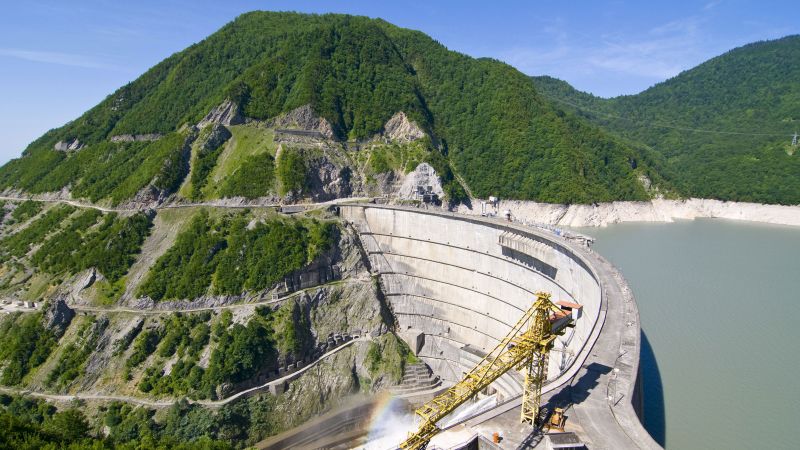
The Abkhaz press service shared video documentation of the raid in December, joining a series of posts on YouTube since 2021. Even with cryptocurrency mining being officially outlawed in Abkhazia, the energy-intensive industry has thrived for years, finding appeal in the region’s low-cost hydropower.
This boom comes at a price for Abkhazia. The area regularly sees power shortages during the winter as water levels recede, but these shortages have become more severe due to the continual, round-the-clock electricity consumption of cryptocurrency mining.
Crippling power outages have plagued Abkhazia. In early November, scheduled power cuts began, lasting four hours each day. By the second week of December, residents were facing nearly ten hours of darkness daily. The dire electricity situation led Badra Gunba, the acting leader of Abkhazia, to declare that the region was facing “a humanitarian catastrophe,” as reported by Reuters in a report.
Digital currency “mining” needs very powerful computers to execute trillions of calculations every second. Increased computing power brings greater profitability to mining, creating an insatiable demand for energy.
Abkhazia, once sustained almost entirely by renewable hydropower, is now increasingly turning to subsidized energy from Russia to ease its blackout problem. Because a substantial portion of Russian energy originates from fossil fuels, cryptocurrency mining is also responsible for adding to the region’s climate pollution levels.
The issues occurring in Abkhazia highlight a broader global trend. Despite its notorious ups and downs, the cryptocurrency industry thrives and possesses a powerful hunger for electricity. According to Theresa Sabonis-Helf, a Georgetown University professor specializing in energy security, “Electricity is the single biggest cost input to crypto.”
To satisfy their needs, many miners – operating both illegally, like those found in Abkhazia, and through lawful companies – are seeking areas where electricity is inexpensive, frequently places blessed with abundant renewable energy. Experts caution that this search can be detrimental to local populations by intensifying shortages and diverting clean energy resources.
A 2023 study by the United Nations University reveals that the global mining of Bitcoin, the most popular cryptocurrency, now consumes more energy than the entire nation of Pakistan, a country with over 230 million residents. An International Energy Agency report projects that the cryptocurrency industry’s electricity consumption will increase by 40% between 2022 and 2026.
Former President Donald Trump has voiced a desire to transform the United States into the planet’s “crypto capital.” One analysis predicts that electricity demand in the US could soar by nearly 16% by 2029, fueled partly by data centers powering cryptocurrency mining and artificial intelligence.
Several cryptocurrency companies in the US are now exploring the use of renewable energy sources within their own borders, aiming to locate cheaper and more environmentally friendly methods to power their operations.
In December, MARA Holdings, headquartered in Florida, revealed its purchase of a wind farm in North Texas to supply power for Bitcoin mining. Fred Thiel, Chairman and CEO of MARA, declared in a December statement that they are tapping into otherwise unused renewable resources and reducing their bitcoin production expenses.
MARA is also looking beyond its own borders, planning to generate 50% of revenue through overseas ventures by 2028. They have ongoing activities in Paraguay, utilizing hydropower-generated electricity. According to a MARA spokesperson, this equates to a “win-win formula.” The company leverages “underutilized renewable sources,” strengthens the progress of renewable projects, contributes to the overall soundness of the electrical grid, and broadens accessibility to affordable and dependable energy, the spokesperson told CNN.
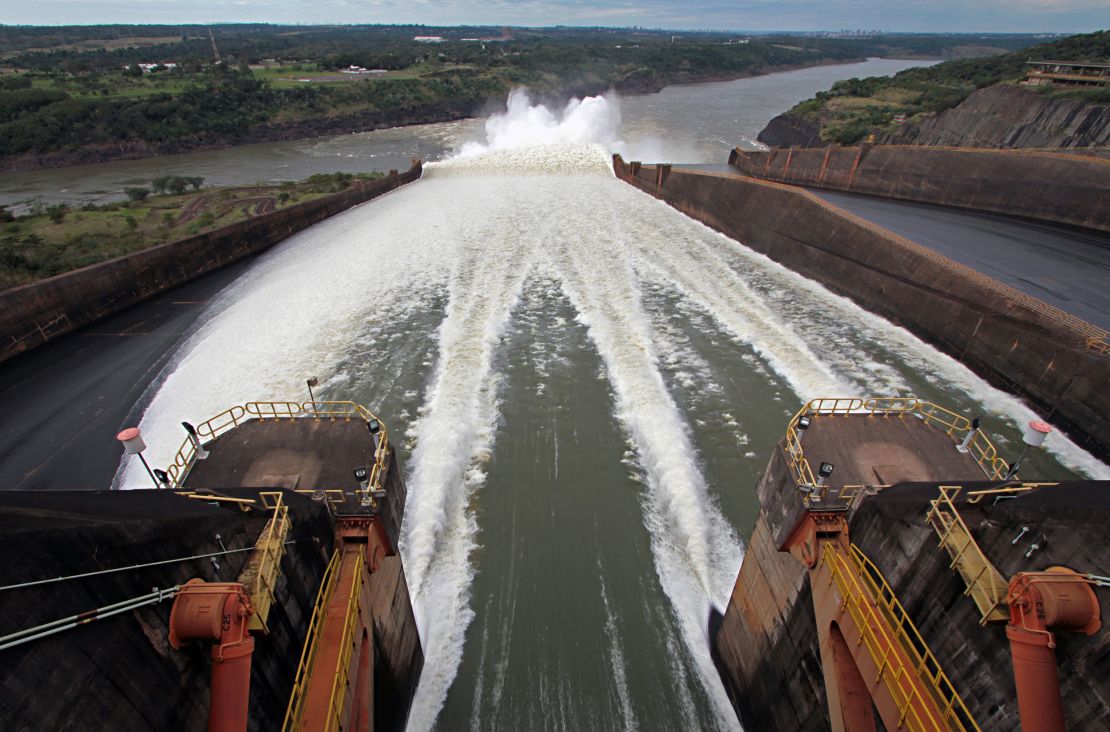
However, worries exist regarding the additional strain on energy grids in countries where electricity access is already limited. Many low-income families in Paraguay still use wood for heating their homes.
Mandy DeRoche, Deputy Managing Attorney for the US-based nonprofit Earthjustice, highlights that if inexpensive, renewable hydropower resources are fully committed to cryptocurrency mining, then local residents and small businesses cannot utilize it and are pushed to seek alternate sources of energy, which frequently means fossil fuels.
In Paraguay, fears have intensified due to the influx of unauthorized cryptocurrency miners, who, unlike MARA, operate against the law. The state-run energy company ANDE states that approximately 28% of the nation’s electricity is lost each year, in part due to illegal cryptocurrency mining activities.
Ethiopia stands out as another nation luring cryptocurrency miners, where electricity is created almost entirely through hydropower.
BitFuFu, a Singapore-based Bitcoin mining firm primarily active in the US, declared a fresh investment in a Bitcoin operation situated in Ethiopia in October.
The company stated that this procurement will promote Ethiopia’s financial condition and widen access to reasonably priced electricity, as well as boosting BitFuFu’s profit margins. They mentioned in an October release that due to power expenses averaging less than US$0.04 per kilowatt-hour, they anticipate that this acquisition will reduce BitFuFu’s cost per Bitcoin.
Certain experts, however, have aired their fears regarding the possible effects of a growing cryptocurrency sector on the citizens of Ethiopia. Mikael Alemu Gorsky, a co-founder of solar energy developer 10 Green Gigowatt for Ethiopia, stated he would question assertions that Ethiopia is suitable for cryptocurrency mining growth.
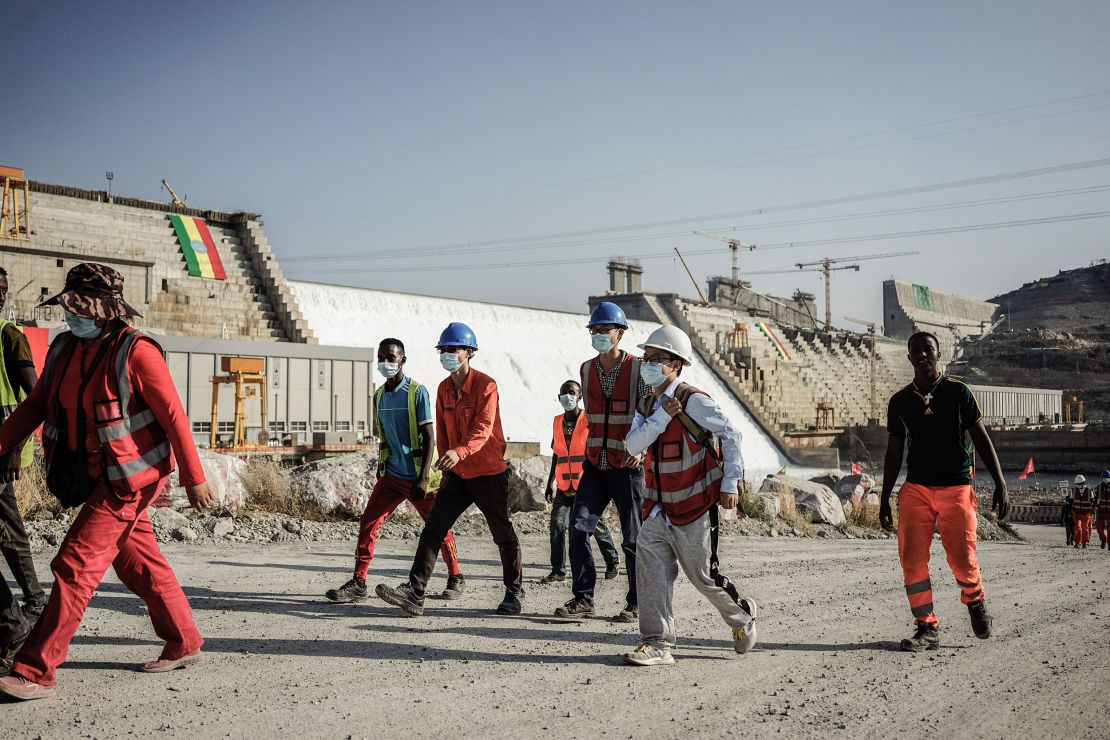
According to the World Bank, nearly 50% of the population in Ethiopia lacks consistent access to electricity. Gorsky told CNN that in the capital, Addis Ababa, where his father resides, electricity is only available three days a week. He added that any belief that the country has excess or sufficient electricity is not factual.
Gorsky also mentioned that businesses are unable to obtain more power from the grid due to very little centralized power generation, pushing them to import oil to power generators.
BitFuFu chose not to provide a comment when requested by CNN.
Kaveh Madani, Environmental Scientist and Director of the United Nations University Institute for Water, Environment and Health, states that the vulnerabilities of a region often contribute to its profitability for cryptocurrency miners.
He told CNN that cryptocurrency mining increasingly appears in areas already struggling with things like energy scarcity and environmental challenges.
Madani, who co-authored the UNU report concerning the environmental implications of cryptocurrency mining, encourages the use of regulatory involvement and advances in technology to ensure that the growing cryptocurrency industry does not yield unexpected environmental effects.
He concludes that once you consider the parties currently benefiting from Bitcoin mining and the nations and generations who will face the greatest environmental repercussions, the inequitable and unfair aspects are unavoidable.