
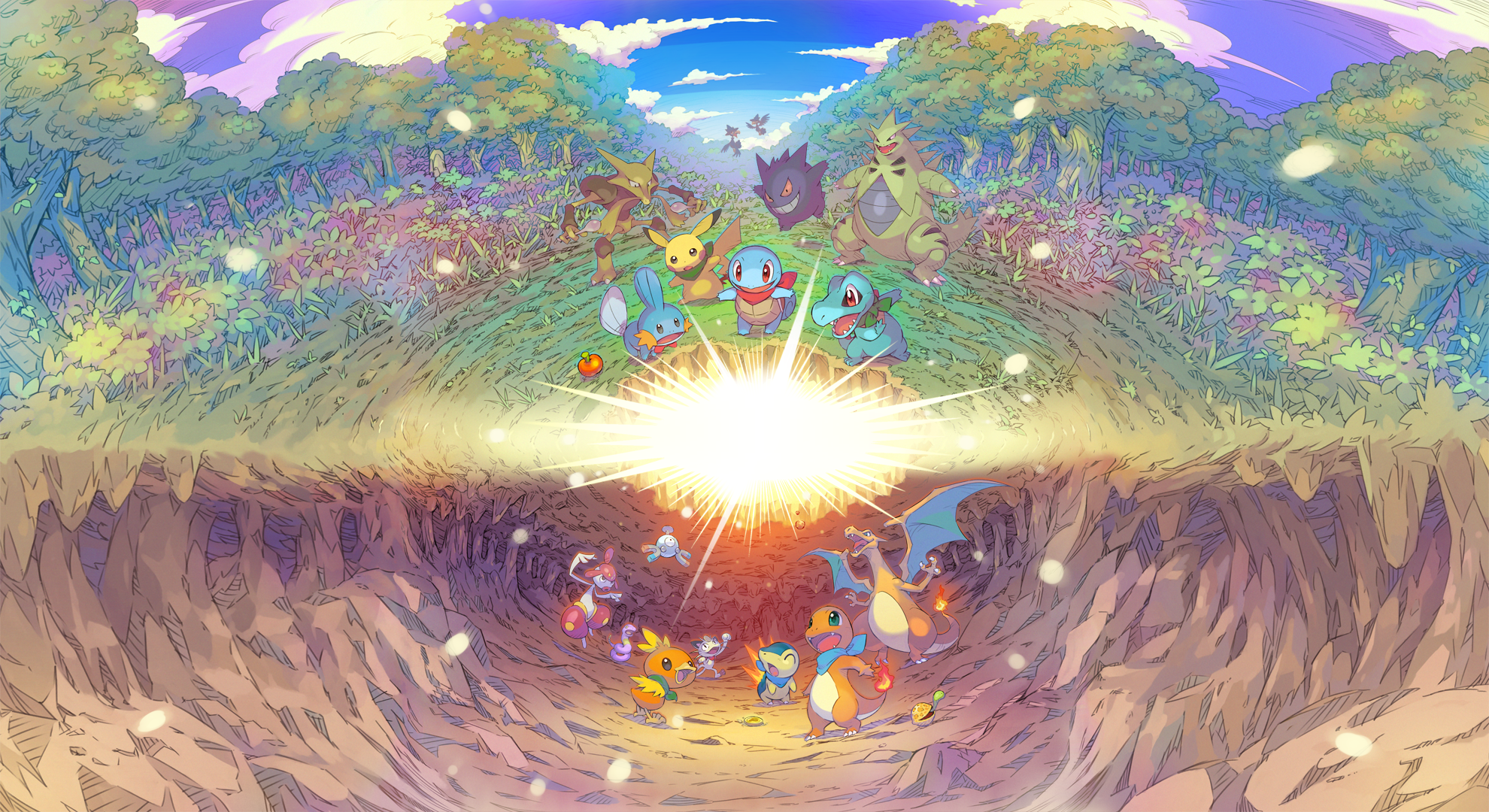
The Mystery Dungeon game series shares a familiar blueprint: you awaken as a human transformed into a Pokémon, team up with a partner, and then journey through randomly generated dungeons. Your mission? To save fellow Pokémon and unravel the mystery behind your metamorphosis. While approachable for younger players, the games delve into complex themes and feature demanding boss encounters. Each of the 11 titles in this spinoff maintains the core dungeon-crawling and rescue gameplay, all while weaving in a compelling narrative that appeals to both fans of roguelike games and traditional Pokémon adventures.
Rise and Grind
The journey into the Mystery Dungeon universe commenced with Red & Blue Rescue Team, initially launched on the Game Boy Advance and DS. This title laid the foundation for the series, introducing a grid-based, turn-taking gameplay style where players navigate in search of staircases, specific Pokémon, or valuable items. The quest format may seem repetitive at times, but the unique atmosphere of each dungeon, paired with an expanding roster of moves, effectively maintains player interest. Should players fail within a dungeon, they are returned to town, forfeiting any money and items they carried. This stringent penalty is well-understood by roguelike enthusiasts. However, Mystery Dungeon softens this blow by enabling players to secure valuables in the town’s storage between explorations, which sets it apart from more unforgiving roguelikes such as Shiren the Wanderer.
The sequel, Explorers of Time & Darkness, greatly refined the established formula. It brought in new Pokémon from the fourth generation and broadened the scope of the dungeons. In essence, it offered more of what made Pokémon Mystery Dungeon enjoyable, which proved sufficient. These titles also rolled out novel mechanics, including a hunger meter and “Monster Houses”—challenging mini-battles featuring numerous foes in confined areas. These additions heightened the challenge of exploration, echoing the roots of the roguelike genre seen in classics like Rogue from the 1980s. While these adjustments bring the games closer to typical roguelikes, the narrative improvements stand out as the most significant advancement. Time & Darkness presents a captivating storyline, emotionally charged stakes, memorable character interactions, and maintains a distinct Pokémon essence. This era emphasized storytelling as a core component of the Mystery Dungeon identity, a trait less prevalent in roguelikes of the late 2000s.
Explorers of Sky enhances the experience as an expanded version of Time & Darkness. It doesn’t overhaul the gameplay but instead focuses on richer storytelling and polish, preserving the challenge while introducing post-game quests to engage dedicated players with fresh objectives.
A Wrong Turn
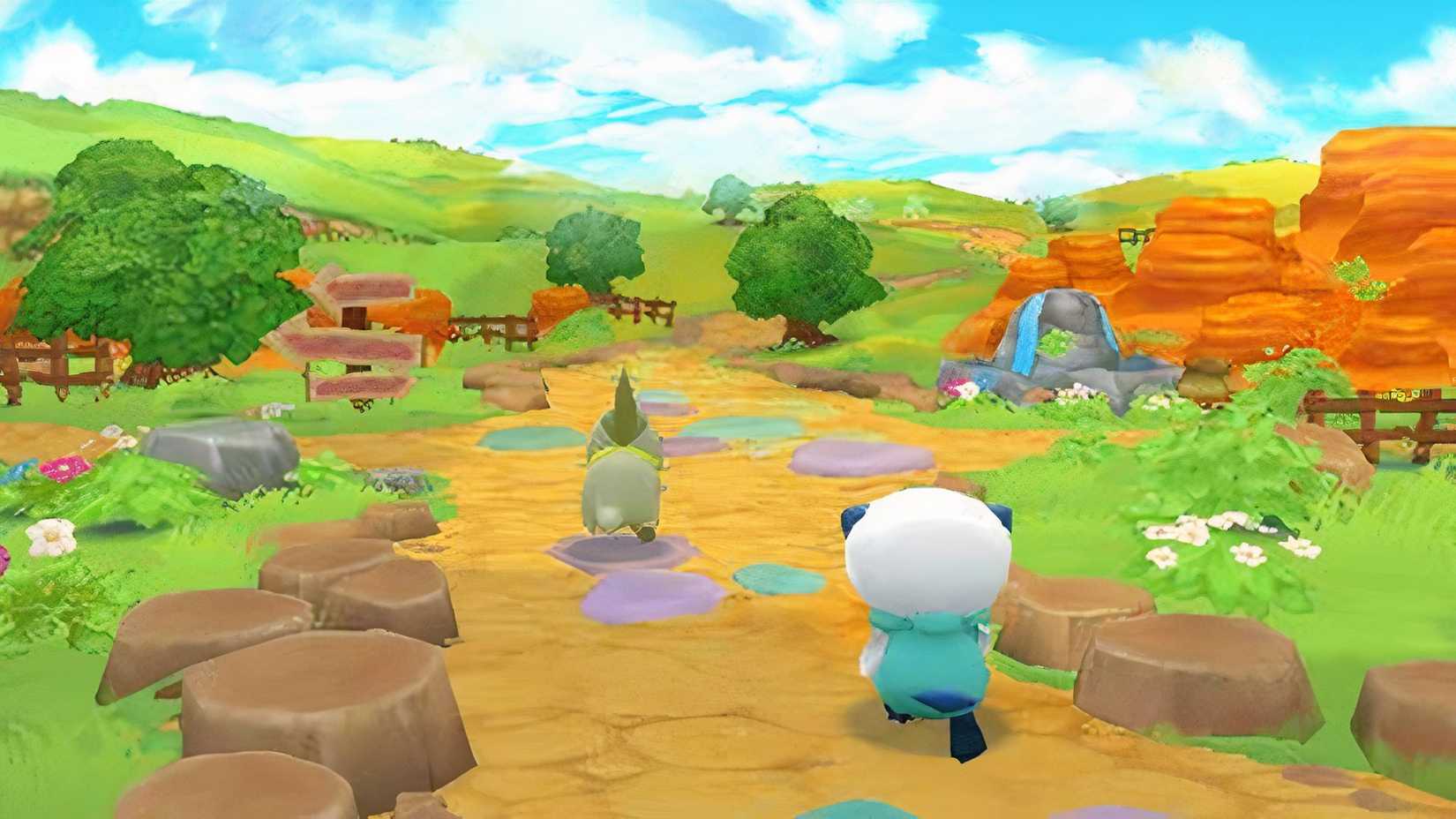
The 2012 release of Gates to Infinity on the 3DS marked both the franchise’s introduction to full 3D and a downturn in overall quality. Seeking to broaden its appeal, Gates to Infinity streamlined gameplay by removing the ability to undertake multiple tasks concurrently. In addition, all team members now equally benefit from the experience system, easing late-game grinding. While these changes might initially seem advantageous, they come at a cost.
Gates to Infinity limits its roster predominantly to fifth-generation Pokémon, with a sparse selection from previous generations, significantly reducing the variety of available characters. Although the storyline aims high, it falls short of the peaks achieved by its predecessors. Despite its attractive visuals and soundtrack, Gates to Infinity diminishes the roguelike complexity that was a hallmark of the second generation of Mystery Dungeon games, representing a step backward in the series.
Conversely, 2015’s Super Mystery Dungeon appears to be an overcorrection. This title for the 3DS reintroduces the traditional style and comprehensive content: every Pokémon from the first to sixth generations is available for recruitment, and nearly all simplifications introduced in Gates to Infinity are removed. Lengthy tutorials and extensive cutscenes slow down the initial gameplay. However, once players navigate through the introduction, the story evolves into one of the most compelling in the franchise. The issue lies in reducing the roguelike elements of these games to their basics. While levels in Super Mystery Dungeon are randomized, the changes don’t feel substantial. Seeing one dungeon floor often means you’ve seen them all. In comparison to titles like Spelunky and The Binding of Isaac, Super Mystery Dungeon plays it conservatively, refraining from pushing the roguelike genre in innovative directions. It feels more like a response: “So you want classic Mystery Dungeon? Here it is, now leave me alone.”

Reaching back to the original gameplay, 2020’s Pokémon Mystery Dungeon: Rescue Team DX unfortunately does not offer a forward change. Despite offering quality-of-life improvements such as more user-friendly menus and controls, in addition to bypassing the personality quiz and choosing a starter Pokémon, this remake wallows in nostalgia. Those unfamiliar with the franchise may enjoy this remake, and the art style is a welcome bonus, but those familiar with Pokémon Mystery Dungeon can skip this remake.
The heart of Pokémon Mystery Dungeon lies in capturing the essence of both Pokémon and roguelikes: the significance of each expedition. Whether tackling the grueling 99-floor Destiny Tower or simply rescuing a lost Caterpie, every quest carries weight. This is why, despite its ups and downs, Mystery Dungeon stands out as one of Pokémon’s most compelling experiments and a key roguelike milestone.