
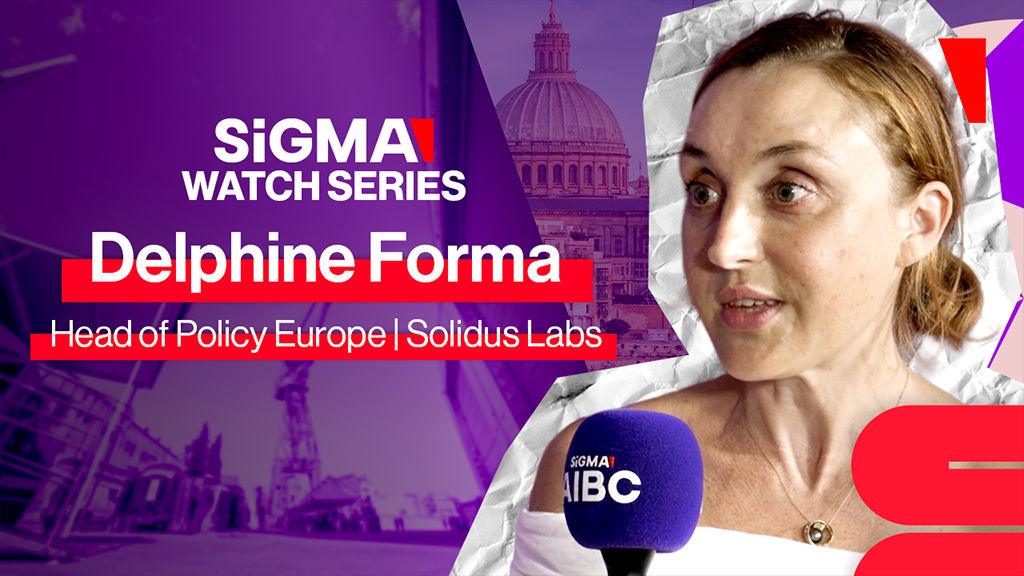
During a recent SiGMA gathering, Nicholas Jackman engaged in a conversation with Delphine Forma, Head of Policy Europe at Solidus Labs. Drawing on her deep understanding, Forma shed light on the evolving landscape of cryptocurrency regulation and the practical implications of compliance within businesses. She detailed Solidus Labs’ focus on providing market monitoring systems, specifically designed to detect and prevent market manipulation involving digital currencies. Forma highlighted their training programs for regulatory bodies like the MFSA Law Enforcement Agency, FIAU, and MGA, demonstrating the company’s commitment to equipping regulators with the knowledge to understand the specific risks and processes needed to oversee suspicious activities in an increasingly intricate market.
Understanding MiCA in the Broader Regulatory Context
Forma’s responsibilities extend beyond delivering technical training; she actively participates in shaping regulatory policy. She underscored that frameworks like the Markets in Crypto-Assets (MiCA) regulation in the EU form only a piece of the overall compliance puzzle. Given the borderless nature of cryptocurrency, understanding the harmonization of regulations and the broader international environment is essential. Forma referenced her podcasts, MiCA Master and Compliance Champions, which host conversations with regulators and compliance professionals worldwide. These platforms provide insights into best practices for licensing, regulatory engagement, and the implementation of compliance structures, offering deeper perspectives than publicly available information.
The Impact of MiCA on Crypto Businesses
The conversation consistently circled back to the transformative potential of MiCA for crypto businesses, specifically the ability for companies to function across Europe with a single license. Gaining access to 30 countries with just one license reflects a significant simplification compared to previous conditions. With MiCA now fully in effect, it is important to note that the regulation remains principle-based, supplemented by technical details, and interconnected with various other regulatory regimes, all while providing clarity without imposing undue rigidity. The advantages of MiCA substantially outweigh the challenges of achieving compliance, and in the long term, will define the future of international operations within the crypto sector.
The Ongoing Challenges of Maintaining Regulatory Compliance
Securing a MiCA license represents only the initial step in the compliance journey. Forma emphasized that continuous compliance is vital, involving consistent verification of whether operational practices align with the policies established during the licensing application. This ongoing alignment presents a significant challenge. Companies must implement robust internal controls, maintain detailed records, and adapt their operations to evolving technologies. Forma described MiCA as a “framework of frameworks,” encompassing principles, implementing guidelines, and interactions with other sectoral regulations. While demanding, this regulatory structure is essential for protecting investors and ensuring fair and open markets.
Stablecoins and International Transactions
Forma also discussed stablecoins, noting their significance within the crypto ecosystem due to their stable values and ability to facilitate efficient international transactions compared to other crypto assets. Unlike other cryptocurrencies, stablecoins such as USDT and USDC offer potential for cross-border payments without the typical fees associated with traditional banking systems. While central bank digital currencies might eventually play a role, regulated stablecoins will remain a key area of focus globally. She also emphasized the increasing trend of jurisdictions issuing compliance requirements related to reserve composition, custodial practices, and licensing, which create challenges for unregulated stablecoin providers seeking to operate internationally.
Regulatory Implications for Other Industries
Forma further addressed industries like e-gaming, where regulatory frameworks remain fragmented. Companies involved in processing payments or integrating stablecoins into their platforms may require both a MiCA license and a payment license, highlighting the complex, multi-layered compliance needs across different business models.
The Future Landscape
According to Forma, even as regulation becomes increasingly formalized, it is crucial for businesses to carefully navigate the increasingly intricate regulatory landscape to achieve successful operations across jurisdictions, maintain their licenses, and build trust with both regulators and clients. Her remarks underscore the significance of a deep understanding of regulatory nuances, continuous monitoring, and responsiveness to regulators within the rapidly evolving crypto space.
For additional insights on cryptocurrency regulation and compliance, please visit the SiGMA website.