
Nigeria is taking definitive steps to integrate cryptocurrency into its financial system by developing a regulatory structure that encompasses taxation on digital asset activities.
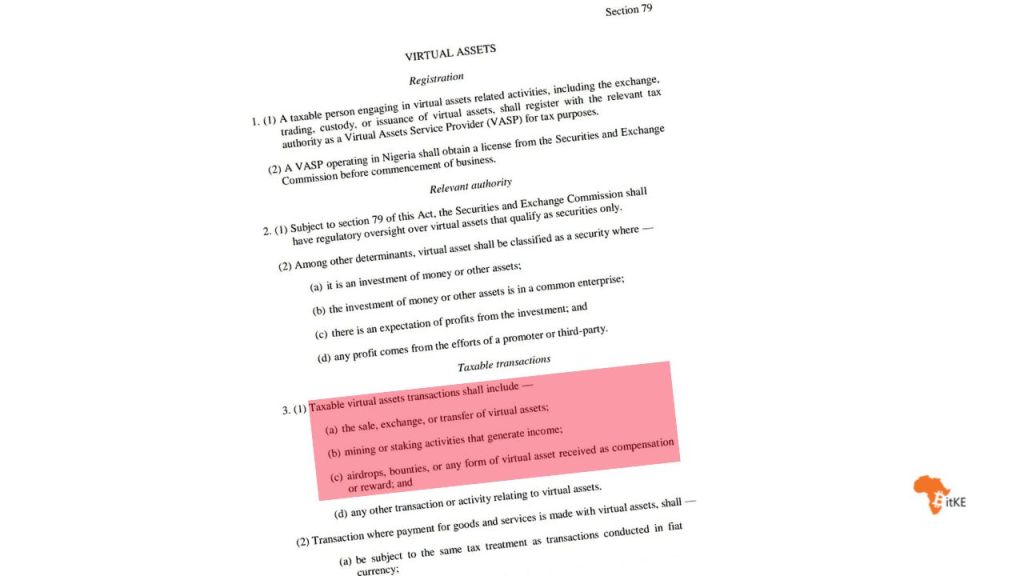
A public document, the “Nigeria Tax Administration Act, 2025,” outlines new fiscal responsibilities for individuals and companies involved in crypto, while specifying the jurisdiction of the Nigerian Securities and Exchange Commission (SEC).
Back in August 2024, reports indicated the Federal Inland Revenue Service (FIRS) of Nigeria was
preparing legislation designed to overhaul the country’s tax system, including the formal regulation of the cryptocurrency sector.
[TECH] TAXATION | Nigeria’s Revenue Service, FIRS, To Introduce Comprehensive Taxation Covering Cryptocurrencies: Nigeria’s Federal Inland Revenue Service (FIRS) is set to introduce a comprehensive bill to.. https://t.co/FrvHvHFNkf via @BitcoinKE
— Top Kenyan Blogs (@Blogs_Kenya) August 21, 2024
Earlier in February 2025, it was indicated that a bill establishing a regulatory environment for digital currency taxation, including implementing new charges, was being evaluated legislatively, with potential enactment during Q1 2025. Furthermore, the Nigerian SEC was reportedly developing regulations to ensure all qualifying transactions on regulated platforms fit into the official tax framework.
Key Highlights from the Draft
1.) Mandatory Registration and Licensing
- Any individual or entity conducting exchange, trading, storage, or creation of virtual assets must register with the appropriate tax authority as a Virtual Asset Service Provider (VASP).
- VASPs must secure permission from SEC Nigeria before commencing operations.
🇳🇬REGULATION | Nigerian Crypto Exchange, Quidax, Receives Provisional Operating License from SEC Nigeria
With the license granted by the Nigerian SEC, Quidax is now able to collaborate with banks and other financial institutions, subject to the Central Bank of Nigeria’s… pic.twitter.com/4gPpLyJi4z
— BitKE (@BitcoinKE) August 29, 2024
2.) SEC Oversight Limited to Securities
- According to Section 79 of the Act, the Securities and Exchange Commission of Nigeria (SEC Nigera) will have regulatory authority over virtual assets that are categorized as securities.
- A virtual asset will be designated as a security if it demonstrates the following attributes:
a) It requires an investment of funds or other resources
b) The investment contributes to a shared venture
c) It offers a potential for earnings from the investment
d) Any revenue is earned from the actions of a promoter or a third party
Information source 👇 https://t.co/pWQZUw5GBMhttps://t.co/T9xSnBAtgu
— Stephen M 🧑💻 (@steve_koncept) March 31, 2025
3.) Taxable Virtual Asset Transactions
The proposed legislation stipulates that the following digital asset transactions will be subject to taxation:
- Selling, trading, or giving away virtual assets
- Mining or staking operations that generate revenue
- Airdrops, rewards, or incentives earned as payment
- Any other dealings involving virtual assets
🇳🇬REGULATION | #Nigeria Court Begins Hearing Tax Evasion Case Against @binance
Binance is accused of providing services – including crypto trading, remittance, and asset transfers – to Nigerians without deducting the required VAThttps://t.co/CcqN9558U7 @FIRSNigeria pic.twitter.com/CUuBuZtE9x
— BitKE (@BitcoinKE) February 21, 2025
4.) Use of Crypto for Payments
When digital currency is employed to purchase goods or services:
- The payment will be taxed the same way as transactions using government-issued currency.
- The payment amount will be assessed using the market value when the transaction takes place.
33% of Nigerians Use or Own Crypto, the Highest Rate in the World, Says The World Economic Forum @wef https://t.co/KWjJcHUEx5 pic.twitter.com/C5pxzVUP3C
See also
— BitKE (@BitcoinKE) February 22, 2021

Why This Matters
Nigeria is a global leader in digital asset adoption, where millions use digital currency for transactions, savings, and transfers.
This proposed law indicates a transition away from situational bans towards organized oversight and taxation. If approved, it would:
- Enhance government tax revenue from digital currency transactions.
- Increase regulatory responsibilities for digital currency users and firms in Nigeria.
- Clarify how digital assets are treated based on securities regulations.
This action is similar to steps being taken across the African continent, where nations like Kenya, South Africa, and Ghana are also enacting formal regulatory and taxation frameworks for crypto.
TAXATION | South Africa Revenue Service (@sarstax) Looking to Double Staff to Enforce Crypto Asset Transaction Disclosures
SARS is closely examining offshore crypto investments in collaboration with the @SAReserveBank to catch tax cheats.https://t.co/L0cT2EyIBy pic.twitter.com/39sfTwqj8B
— BitKE (@BitcoinKE) August 26, 2025
Want to keep updated on crypto regulation and taxation in Nigeria ?
Join our WhatsApp channel here.
Follow us on X for the latest posts and updates
_______________________________
Related
