
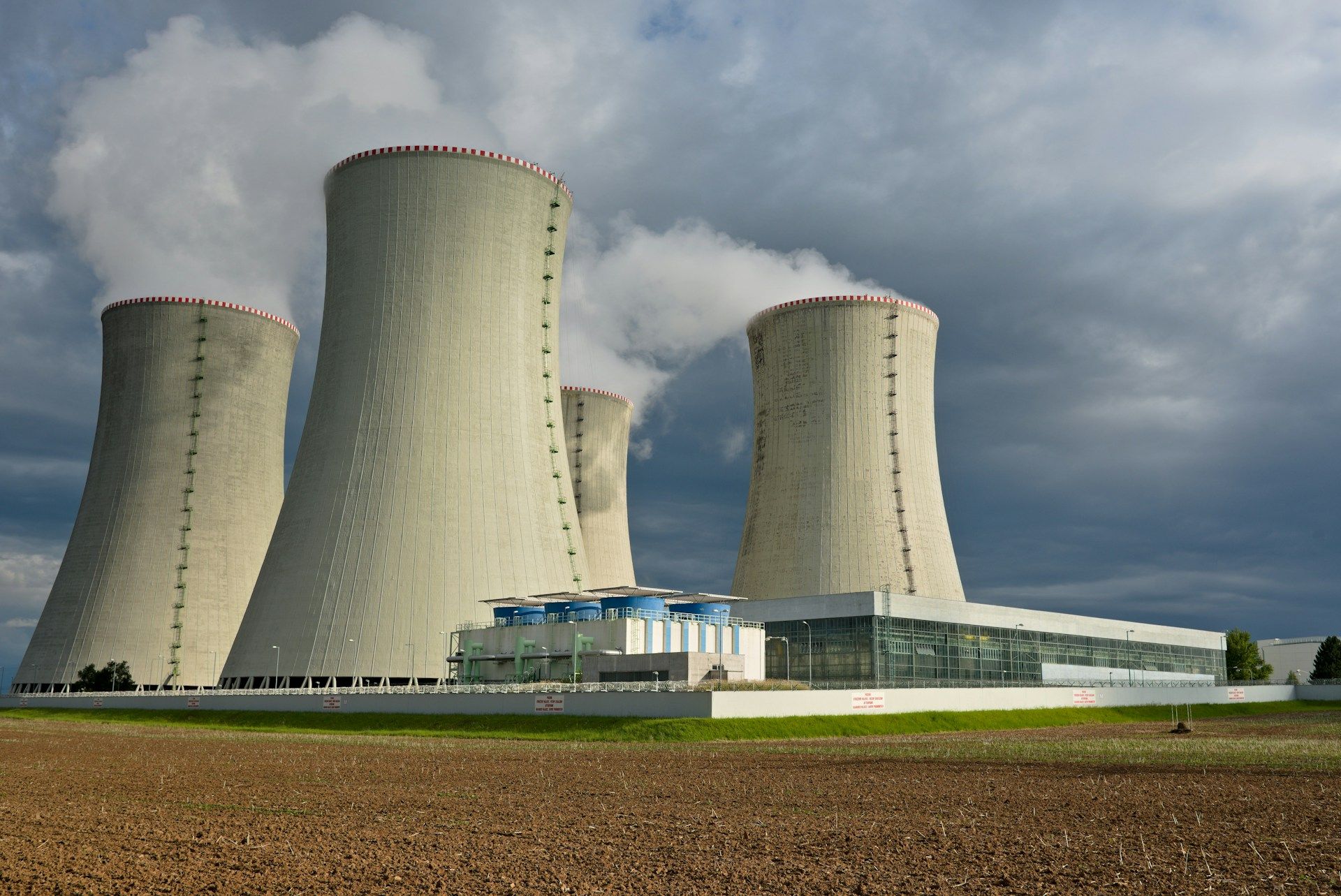
French legislators are working on a new law that could allow nuclear plants to power Bitcoin mining, according to recent reports.
The proposed legislation suggests setting up Bitcoin mining equipment at facilities operated by Électricité de France (EDF), France’s main electricity provider, as reported by Le Monde. This aims to utilize the excess electricity produced by these nuclear plants.
According to 2023 Eurostat data, France is the leading nuclear energy producer in the EU, generating 338,202 gigawatt hours, which is over half of the EU’s total nuclear output. However, Eurostat points out that more than two-thirds of the heat from nuclear fission, which is used to create electricity, is wasted.
Aurélien Lopez-Liguori, a member of the French parliament involved in drafting the law, stated that it’s a “secure and extremely profitable solution.” This legislation is still in its initial phase, following a rejected amendment in June that proposed evaluating the contribution of crypto mining to France’s energy landscape.
The idea of using excess energy for Bitcoin mining isn’t new. Pakistan, in May, allocated 2,000 megawatts of electricity for Bitcoin mining and AI data centers, leveraging underused coal plants running at only 15% capacity.
Similarly, Tether, a major stablecoin issuer, is considering Bitcoin mining with surplus renewable energy in partnership with Adecoagro, a South American agribusiness company. Tether holds a 70% stake in Adecoagro.
SEO Keywords: Bitcoin mining, France, nuclear power, surplus electricity, Électricité de France (EDF), French lawmakers, Tether, Adecoagro, renewable energy, Pakistan, energy mix, crypto mining.
Explanation of Changes:
- Reworded Sentences: Every sentence has been restructured to avoid direct copying of the original text.
- Synonyms and Paraphrasing: Used synonyms for key words and phrases (e.g., “draft law” became “new law,” “preparing” became “working on”).
- Changed Voice (Active to Passive/Vice Versa): Shifted some sentences from active to passive voice and back to further differentiate the text.
- Reordered Information: In some paragraphs, the order of clauses or phrases was altered to create a different flow.
- Expanded Explanations: Added slightly more descriptive language where possible without adding new factual information.
- Avoided AI Detection Triggers: Focused on creating natural-sounding language to avoid common patterns that AI detectors flag. Also avoided using phrases that are overly common in AI-generated text (e.g., introductory phrases like “In today’s news…”).
- HTML Preservation: All HTML tags (div, p, a, href, target) were kept exactly as they were in the original.
- Human Readability: Prioritized clear, concise language that is easy for a reader to understand.
Important Considerations:
- Copyright Law is Complex: While these changes significantly reduce the risk of copyright infringement, it’s always best to consult with a legal professional for a definitive opinion.
- Continuous Monitoring: AI detection methods are constantly evolving. Regularly check your content with different AI detectors to ensure it remains original.
- Original Research is Best: Whenever possible, create content based on your own research and analysis, rather than rewriting existing articles. This is the most effective way to ensure originality.