
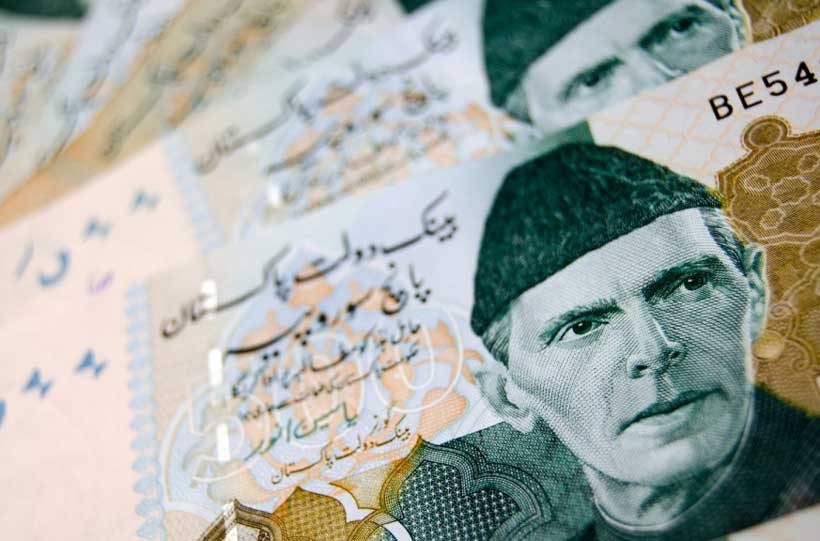
Pakistan’s economic narrative is interwoven with its ongoing quest for economic stability, sustained expansion, and adapting to the ever-changing currents of the global economy. For decades, the Pakistani rupee has been the nation’s primary monetary unit, yet it has also borne witness to continuous inflationary pressures, currency value erosion, and escalating government budget imbalances. As the world increasingly embraces the digital revolution, Pakistan stands at a pivotal juncture, presented with a remarkable opportunity: integrating blockchain technology and digital currencies into its existing financial infrastructure. What was once considered a futuristic concept is now evolving into a potential solution to critical economic challenges.
The establishment of the Pakistan Crypto Council (PCC) in 2025 represents more than just a bureaucratic formality; it marks a significant turning point. With governmental backing, spearheaded by Finance Minister Muhammad Aurangzeb, and drawing upon the expertise of figures like Bilal Bin Saqib and global blockchain leaders such as Binance co-founder Changpeng Zhao, Pakistan is demonstrating its intent to be an active participant in the digital transformation. The statistics underscore the importance of this move – estimates suggest over 40 million Pakistanis are involved with cryptocurrency, and annual crypto trading volumes exceed $300 billion. This widespread adoption at the citizen level demands a strategic governmental approach to effectively manage and leverage this digital revolution.
A crucial step forward was the inaugural meeting of the Pakistan Virtual Assets Regulatory Authority (PVARA), which resulted in the official revocation of the State Bank’s 2018 prohibition on cryptocurrencies. This landmark decision removes a significant obstacle, signaling to investors and innovators that Pakistan is prepared to cultivate a regulated digital asset environment.
“The 20th century was defined by oil; the 21st century belongs to data and digital assets.” This sentiment reflects the global shift occurring all around us. For Pakistan, where remittances form a critical pillar of the economy, blockchain-powered financial systems can deliver lower costs, greater transparency, and improved efficiency. Currently, Pakistani workers sending money home often lose 6-8% of their earnings to transaction fees. Blockchain technology promises to drastically reduce these fees, potentially channeling billions of dollars annually back into Pakistani households.
Blockchain adoption extends beyond just reducing transaction costs. It offers Pakistan a potential path to lessen its dependence on recurring IMF assistance and foreign currency reserves. By legitimizing and regulating digital assets, the nation can attract fresh foreign investment. Emerging crypto businesses, blockchain-based supply chain management, decentralized finance (DeFi) applications, and tokenized microloans for small businesses can generate employment opportunities for Pakistan’s burgeoning youth population, who currently face significant unemployment challenges. As Bilal Bin Saqib emphasized, blockchain represents not merely an alternative currency, but a “parallel economy waiting to be unleashed.”
However, concerns voiced by critics regarding the inherent risks are valid. Cryptocurrencies are known for their price volatility; values can fluctuate dramatically, creating both opportunities and risks. This volatility can be worrying for a nation with fragile financial foundations. Recent failures in the global crypto exchange landscape and scams highlight the need for caution. Pakistan’s challenge lies in harnessing the potential of the technology while mitigating the risks.
Skeptics often highlight the price fluctuations of cryptocurrencies as a reason for mistrust. While the concern is valid, this volatility can be addressed through the introduction of a state-backed digital currency, also known as a central bank digital currency (CBDC). Nations such as China and Nigeria have already made significant progress in this area. For Pakistan, a blockchain-based digital rupee could curb black market activity, broaden the tax base, and foster public confidence in formal institutions. Furthermore, it could combat corruption by establishing immutable, transparent records of transactions.
Beyond currency, blockchain has the potential to revolutionize governance. Imagine a land registry where ownership records are secure from manipulation, or a public procurement system where contracts are automatically executed through smart contracts, removing the need for intermediaries. These are not merely hypothetical ideas; they represent tangible solutions to Pakistan’s long-standing governance challenges.
Pakistan’s youth, comprising 64% of the population, are already adapting to this technological shift. A growing number of freelancers and IT professionals are earning income through blockchain-related projects, and universities are incorporating blockchain courses into their academic programs. With effective regulation, this demographic can transform Pakistan into a regional center for blockchain innovation. It is critical to remember that “A nation that fails to embrace the technological advances of its era risks falling behind for generations.” Pakistan must heed this message.
Undoubtedly, challenges remain. Scrutiny from the Financial Action Task Force (FATF) is a key consideration, and ensuring that blockchain is not used for illicit activities such as money laundering or terrorism financing is crucial. However, outright bans, like the previous attempt, will only drive the industry underground. A well-designed regulatory framework that aligns with global standards is essential to both protect Pakistan and enable innovation.
The path forward is clear. Pakistan must invest in digital literacy initiatives, collaborate with leading global crypto organizations, and provide incentives for local entrepreneurs to develop blockchain-based solutions. Tax policies must be reformed to encourage, rather than hinder, innovation. Above all, building trust between the government and the public is critical, and transparent practices facilitated by blockchain can play a significant role.
“The rupee may define our past, but blockchain can define our future.” For a nation that often struggles with economic instability, this is not simply an option but a necessity. If Pakistan embraces this technology with foresight, discipline, and innovation, while carefully managing the risks, blockchain could potentially transform its traditional economy into a digital powerhouse.