
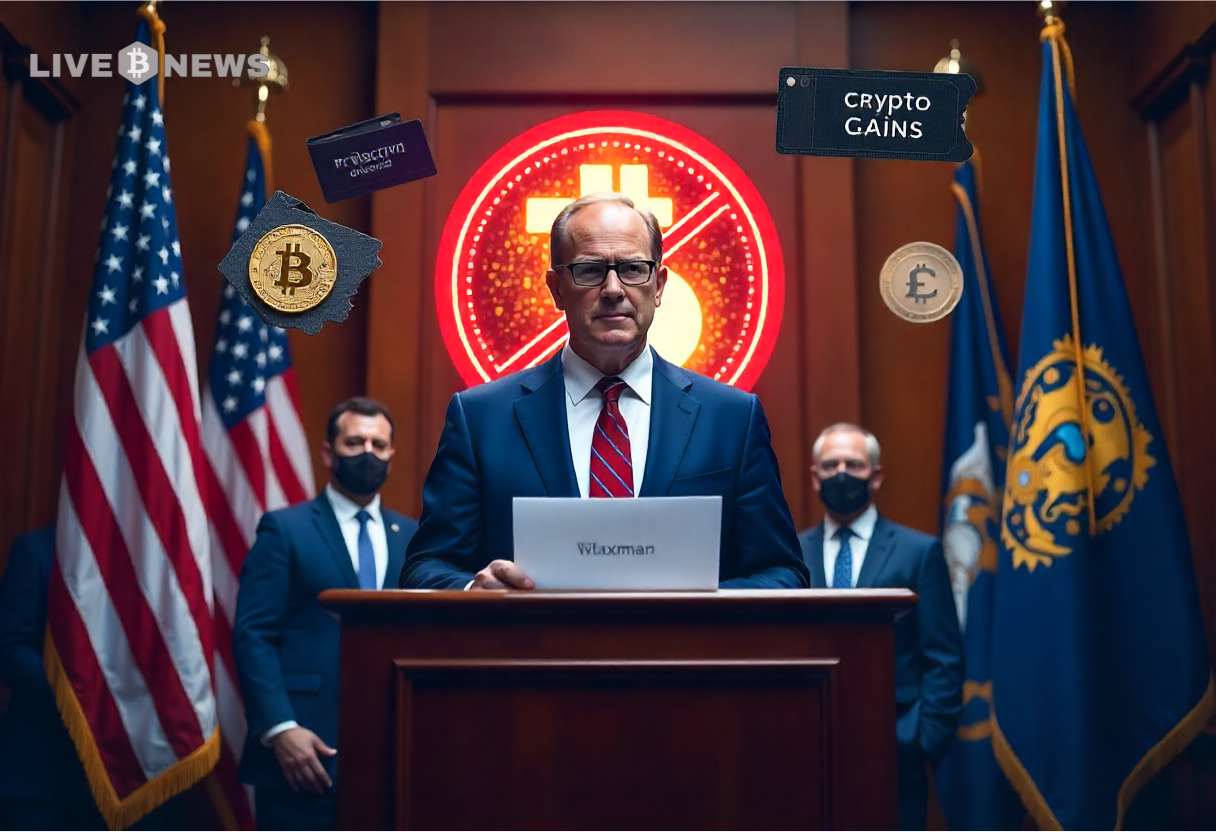
Pennsylvania’s proposed HB1812 seeks to prevent corruption by prohibiting politicians from profiting from cryptocurrency trading while holding office, promoting ethical governance.
A new legislative proposal in Pennsylvania is targeting financial gains from cryptocurrency by elected officials. State Representative Ben Waxman, representing District 182, introduced House Bill 1812 (HB1812) on Wednesday. The legislation intends to block politicians from benefiting financially through crypto activities while they are serving in their official capacity. The bill already has the support of eight Democratic co-sponsors.
Bill Aims to Bar Officials and Their Families From Crypto Trading
Representative Waxman stated the primary objective of the bill is to reduce corruption. He believes some public servants misuse their positions for personal financial enrichment. As an example, he referenced former U.S. President Donald Trump and suggested that Trump has benefited from crypto projects, citing his memecoin, “Official Trump.” Waxman argues such activities constitute a clear conflict of interest.
Related Reading: Crypto Groups Oppose Proposed Changes to the GENIUS Act | Live Bitcoin News
Waxman further alleged that Trump’s actions have weakened federal oversight of the cryptocurrency sector. He suggests that policies adopted during Trump’s tenure have allowed dubious crypto ventures to evade regulations. Waxman contends this situation creates a precarious environment where these projects can easily profit without facing appropriate scrutiny. He emphasizes that this undermines public trust and must be addressed.
HB1812 includes robust measures to address these concerns. The bill would prohibit state officials, including legislators and their immediate family members, from participating in crypto trading, sponsoring, or launching crypto projects that create financial interests for these officials. This prohibition would apply during their time in office and for one year afterward. Purchases exceeding $1,000 would be restricted. Violations could result in fines or even imprisonment.
Lawmakers Consider Limits on Crypto Profits for Government Officials
The proposed legislation has ignited discussion among both politicians and the general public. Supporters argue that it is crucial for maintaining the integrity of public office. They assert that digital assets like memecoins and NFTs can be easily used for underhanded and untraceable financial gain. Advocates view HB1812 as a positive step toward establishing a more ethically sound government.
Conversely, critics express concerns that the bill may be overly broad. They argue that it could unduly restrict the financial freedom of public officials. Others worry that it might discourage lawmakers from embracing innovation within the blockchain and cryptocurrency industries. Waxman maintains that public trust should be paramount. He asserts that the bill aims to prevent illicit profits, not to stifle the industry.
Similar legislative efforts are emerging beyond Pennsylvania. At the federal level, legislators like Congressman Ritchie Torres and Senator Adam Schiff have introduced similar proposals. Their legislation also seeks to prevent officeholders from exploiting cryptocurrency for personal gain. Waxman suggests these efforts demonstrate that the issue of potential conflicts of interest has gained national attention. He hopes Pennsylvania can lead the way by enacting HB1812.
In conclusion, HB1812, introduced by Representative Ben Waxman, represents a significant attempt to curb crypto-related corruption in politics. Introduced in 2025, the purpose of the bill is to prohibit elected officials from earning profits using digital assets in the course of service. The bill aims to set a standard for ethical conduct, particularly with early backing and growing public interest. As discussions continue, the question remains whether Pennsylvania will be the first state to implement such a law.