
The evolution of horror games hasn’t always been smooth. There was a period where many titles fell into a troubling pattern: prioritizing action over actual horror.
Roughly from the late 2000s to the mid-2010s, the horror genre shifted away from generating fear and toward simply being over the top. This excessiveness permeated the action, the acting, and practically every other aspect, overshadowing the essential elements that initially defined and endeared these games to fans: genuine, unsettling fear.
Related
We Need More Midwestern Horror Games
There is a distinct void of horror games (and video games in general) that take place in Midwest America – a void that needs to be filled.
Looking back, it felt like an inescapable nightmare for the genre. But thankfully, we’ve emerged from that “Action Horror Era” and can now appreciate the terrifying beauty that today’s games bring.
Currently, even if new horror titles aren’t perfect, it’s a relief to have genuinely scary games to anticipate.
Horror Fans Are Eating Good
Having achieved platinum status on the Silent Hill 2 Remake not once, but three times (across different accounts!), I can confidently say that horror is thriving like never before.
Even after repeated playthroughs, the game remains genuinely frightening, a quality previously associated with classic horror titles. The genre is flourishing once more, and the outlook is promising.
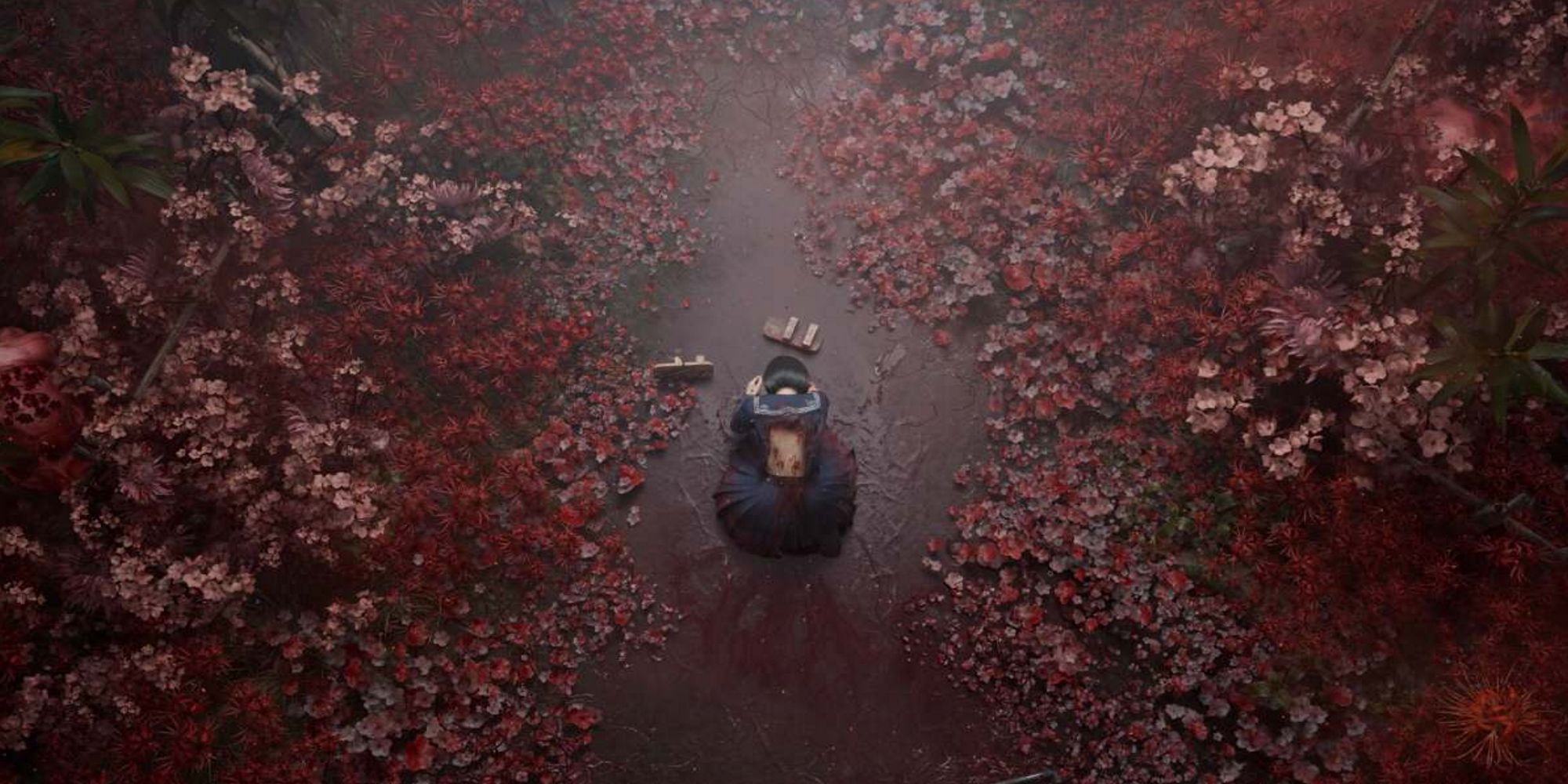
The future holds exciting prospects with titles like Silent Hill f, Silent Hill: Townfall, Resident Evil: Requiem, and Little Nightmares III, providing fans with a wealth of new content from their favorite franchises. Numerous intriguing indie projects, like ILL, are also on the horizon.
Related
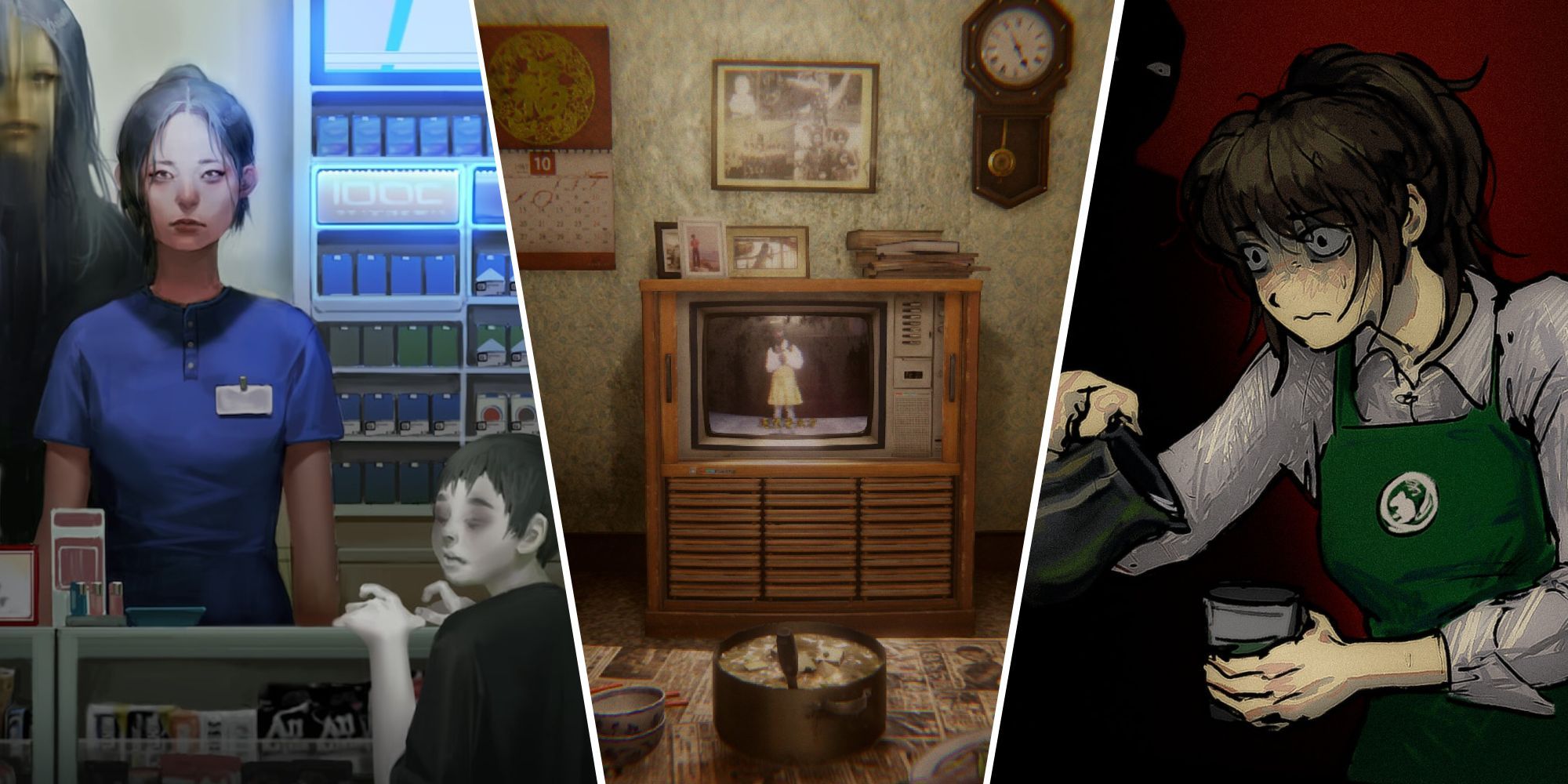
We Need More Horror Games That Embrace The Ordinary
As we enter a horror gaming Renaissance, more developers should incorporate the mundane.
The upcoming Silent Hill 1 Remake adds to the excitement, and its success could pave the way for remakes of Silent Hill 3 and even Silent Hill 4: The Room, given Bloober Team’s clear dedication to the series.
Having grown up on classic Resident Evil and Silent Hill, it feels like coming home.
It is an incredible time to be a horror game aficionado, with a continuous stream of high-quality content expected for years. It signals that the “Action Horror” era is definitively over.
I Thought We’d Never Get Out of the Action Horror Era
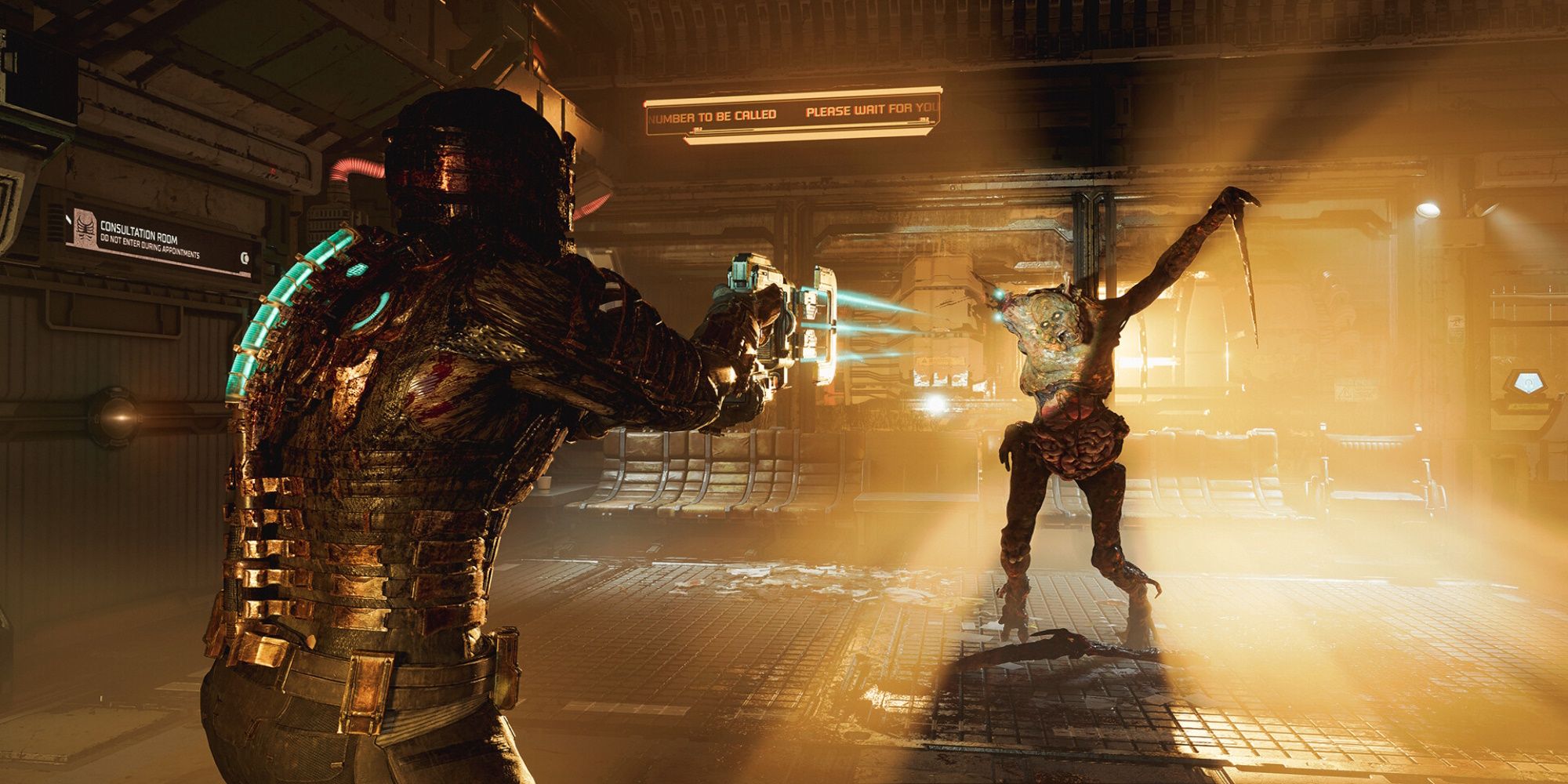
If “Action Horror” is your preference, that’s perfectly fine. However, it significantly impacted the genre. For a considerable period, developers seemed unable to envision horror games without constant action, often sacrificing genuine scariness.
While franchises like Resident Evil, Dead Space, and The Last of Us could be considered examples, the trend permeated even the indie game scene, sometimes resulting in simple FNAF clones. Originality has been a longstanding concern in game development.
Related
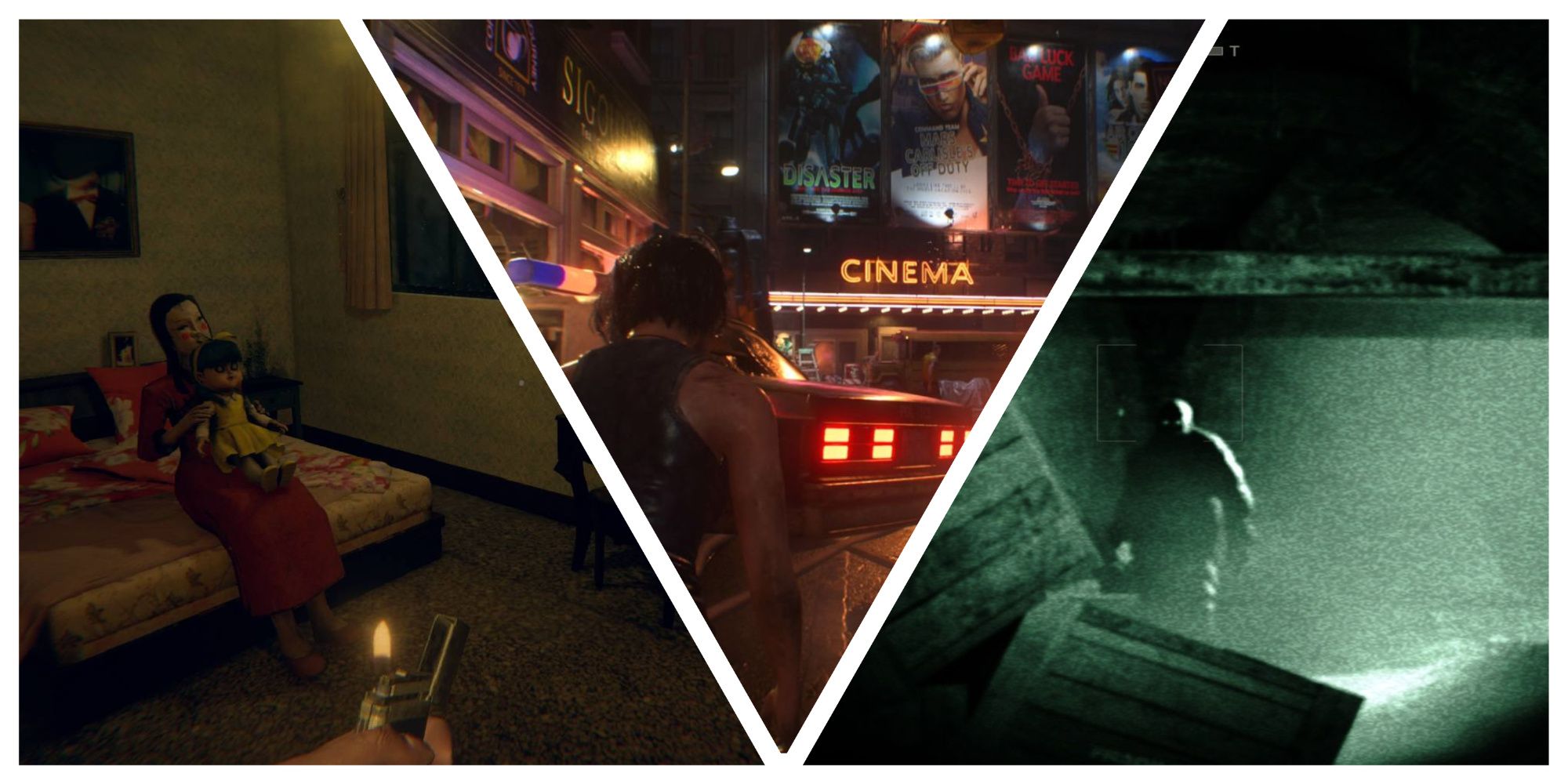
Despite recent complaints about nostalgia, there was a severe scarcity of true horror games during the “Action Horror” period. Longing for the classics was common, but new games often prioritized gunplay over the elements that made the originals frightening.
Instead, we received action-heavy titles and were expected to enjoy them.
While frustration with nostalgia baiting is understandable, the current trend reflects what fans have been requesting. Hoping for a return to genuine horror has become a reality, and consistent, terrifying content is now available.
This resurgence isn’t limited to AAA titles; indie developers are also recognizing that fear thrives on inaction.
Horror Hinges on These Games
New horror games face significant pressure. Some worry that potential failures could negatively impact the genre, especially for franchises like Silent Hill, which has experienced a turbulent history. If original titles underperform, what will that mean for horror’s future?
There’s valid concern. These upcoming games have a legacy to uphold, just as Resident Evil 7 and the Silent Hill 2 Remake did, and those titles proved to be exceptional.
Optimism remains, even if personal enjoyment doesn’t hinge on these games being universally praised.