
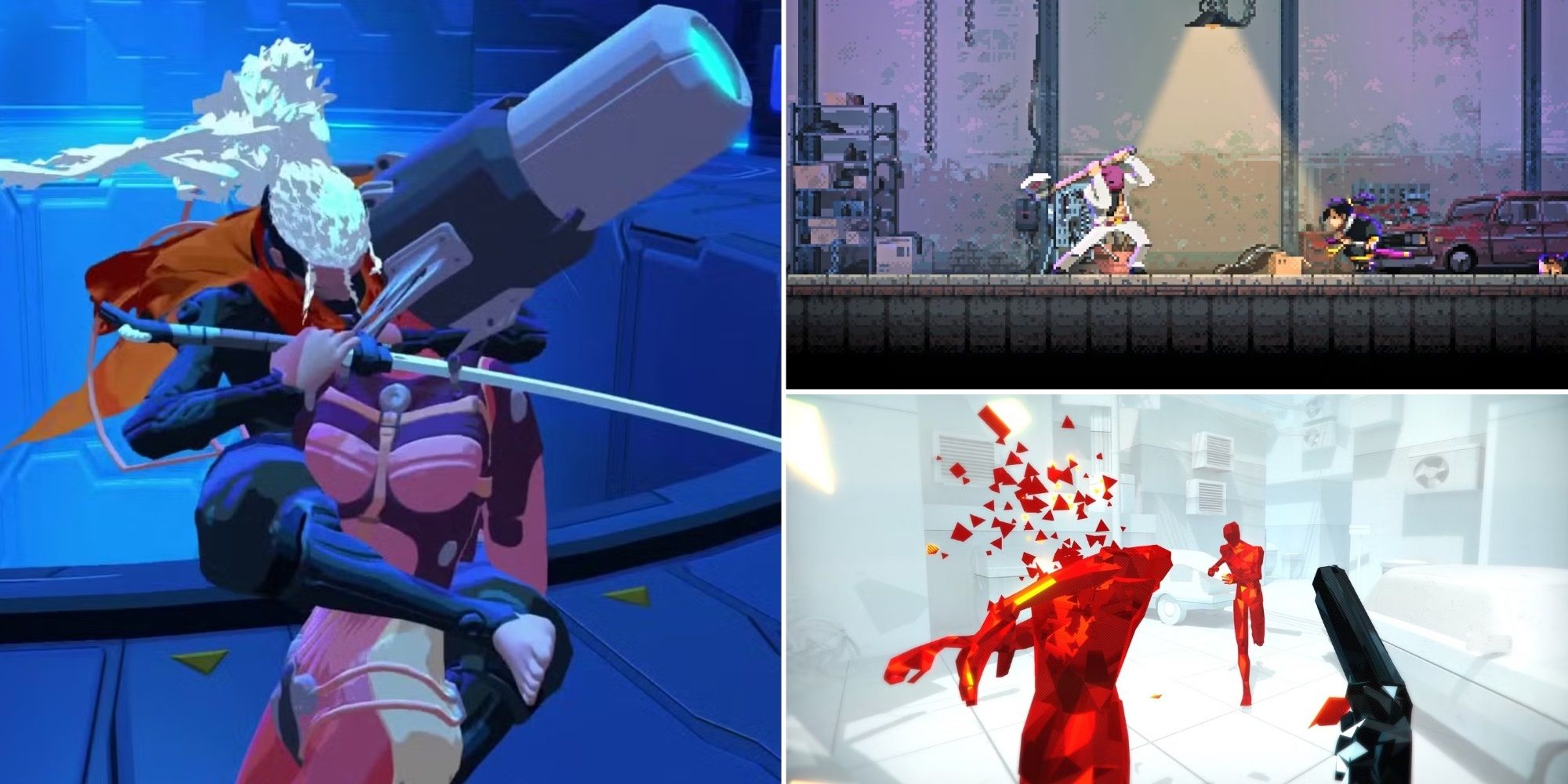
In the realm of video games, many titles feature a progression structure where your character gains strength throughout the adventure. However, some standout games deliberately take a different path.
Rather than handing out better gear or boosted stats, these are games that rely entirely on your own skill development. To succeed, players must truly master the core mechanics.
Leveling up skill trees or seeing character stats increase can be satisfying, but there’s a unique feeling of accomplishment that comes from conquering a game purely through personal growth and improved skills, with no artificial boosts.
It’s a less common design approach, yet it’s resulted in some truly memorable gaming moments. This list celebrates the best games where your inherent skills, not in-game power-ups, are the key to victory.
10
Ninja Gaiden: Ragebound
More Classic Than Ever
Ninja Gaiden: Ragebound finds its place on this list, with a small caveat. While talismans offer minor passive effects and power-ups can be bought, this addition is minor.
The core reason for its inclusion is that once you learn the fundamental moves, your success hinges on raw skill.
Mirroring classic franchise entries, Ragebound presents demanding levels. Both you and your foes are fragile, forcing players to observe enemy weaknesses and level layouts meticulously, then execute flawlessly to survive.
The game masterfully alternates between precise platforming and combat requiring mastery of all gameplay elements. Crucially, the gameplay principles remain consistent from beginning to end.
Despite a minimal progression system, Ninja Gaiden: Ragebound deserves its place due to the system’s insignificance. Skill is the predominant factor in overcoming the game’s challenges.
9
Neva
One Sword, One Job
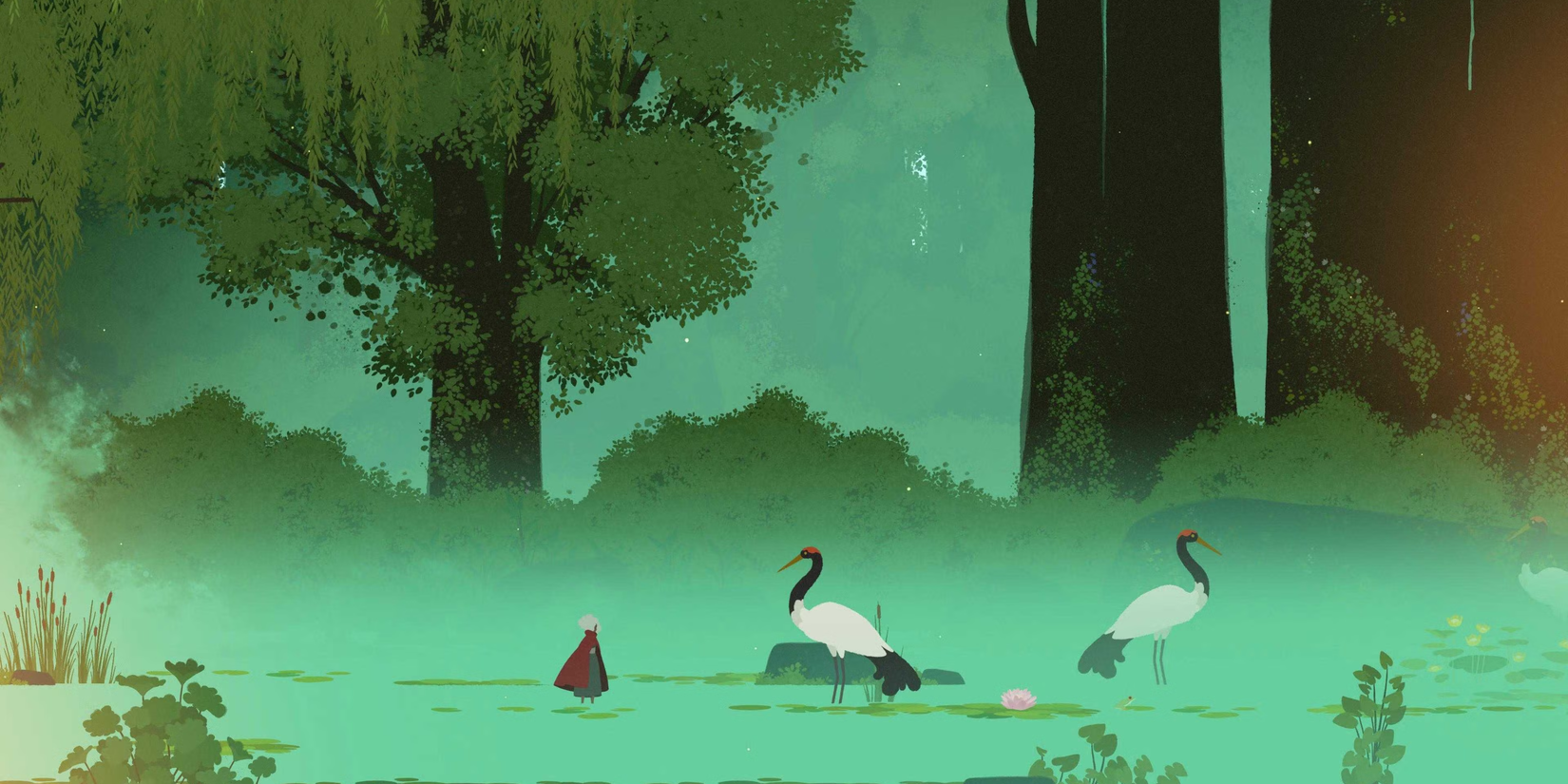
Following the critically acclaimed GRIS, Nomada Studio crafted Neva, a spiritual successor with added action elements.
However, combat serves more as a narrative tool than a core game mechanic; it’s not the central focus. Instead, fighting is born of the game’s situation, a desperate measure to protect a wolf companion.
Forget damage upgrades or new attack moves; the beauty lies in the basic yet elegant combat, with each encounter resembling a scene from an animated film. This is thanks to the stunning visuals and impressive particle effects.
Although perhaps not as emotionally resonant as GRIS, Neva remains a visually spectacular and emotionally compelling adventure, enhanced by its flawless audiovisual presentation.
8
My Friend Pedro
Massacring with Style
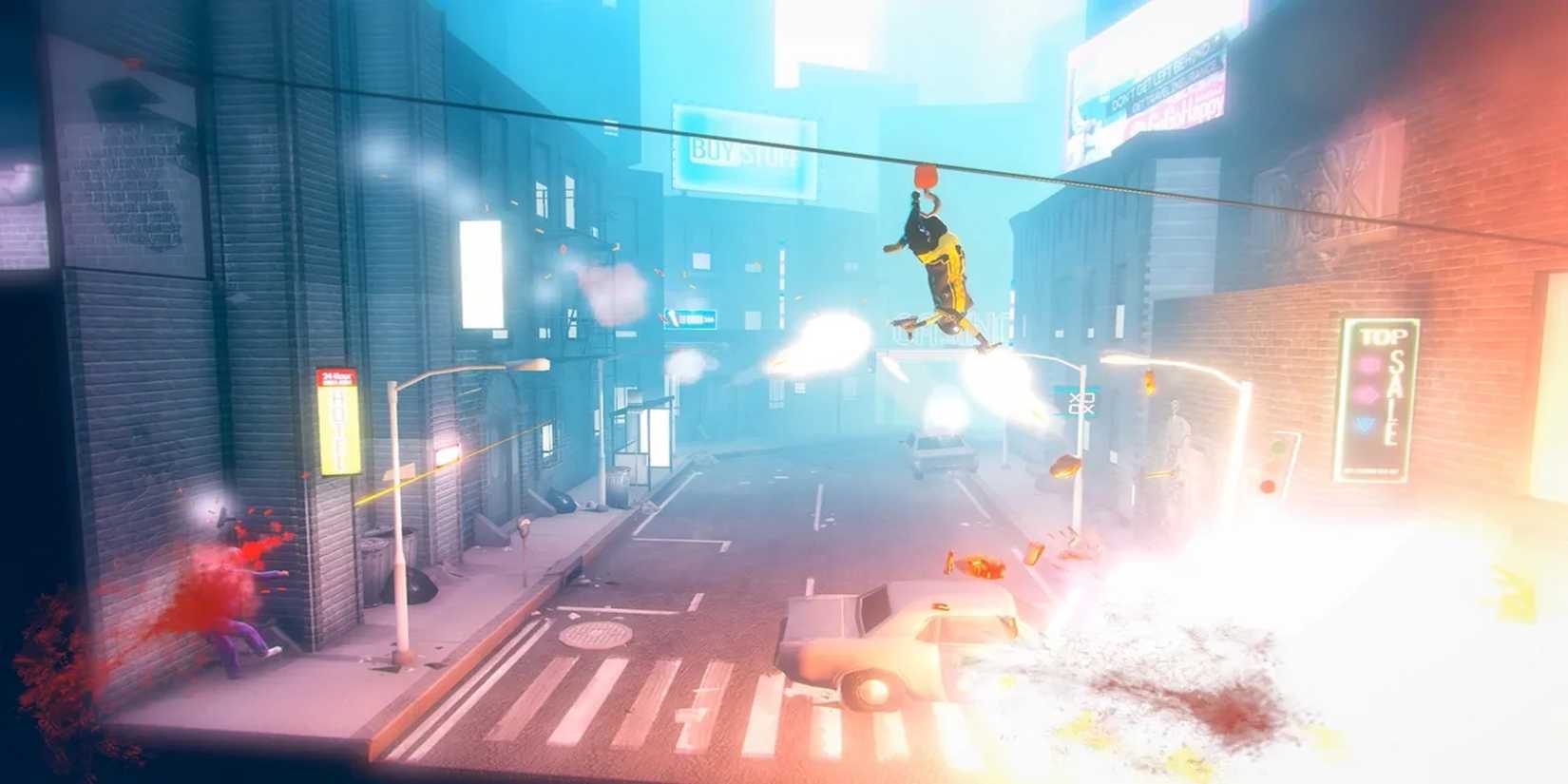
In My Friend Pedro, beyond collectibles functioning as cheat codes, the primary focus is on expressing your own unique style while dispatching enemies.
The game pushes players to devise the most elaborate methods for eliminating threats by encouraging acrobatic jumps, stylish flips, and slow-motion gunplay. In other words, the game is only limited by your imagination.
There’s a unique thrill in spinning on the ground while kicking an explosive at one enemy and blasting another with a shotgun, all while watching the scene unfold against the backdrop of a psychedelic soundtrack.
My Friend Pedro is addictive, especially due to the scoring system. It begs to be replayed, allowing you to constantly improve your score. After all, watching those numbers climb is incredibly satisfying.
7
SUPERHOT
Slow-Time Destruction
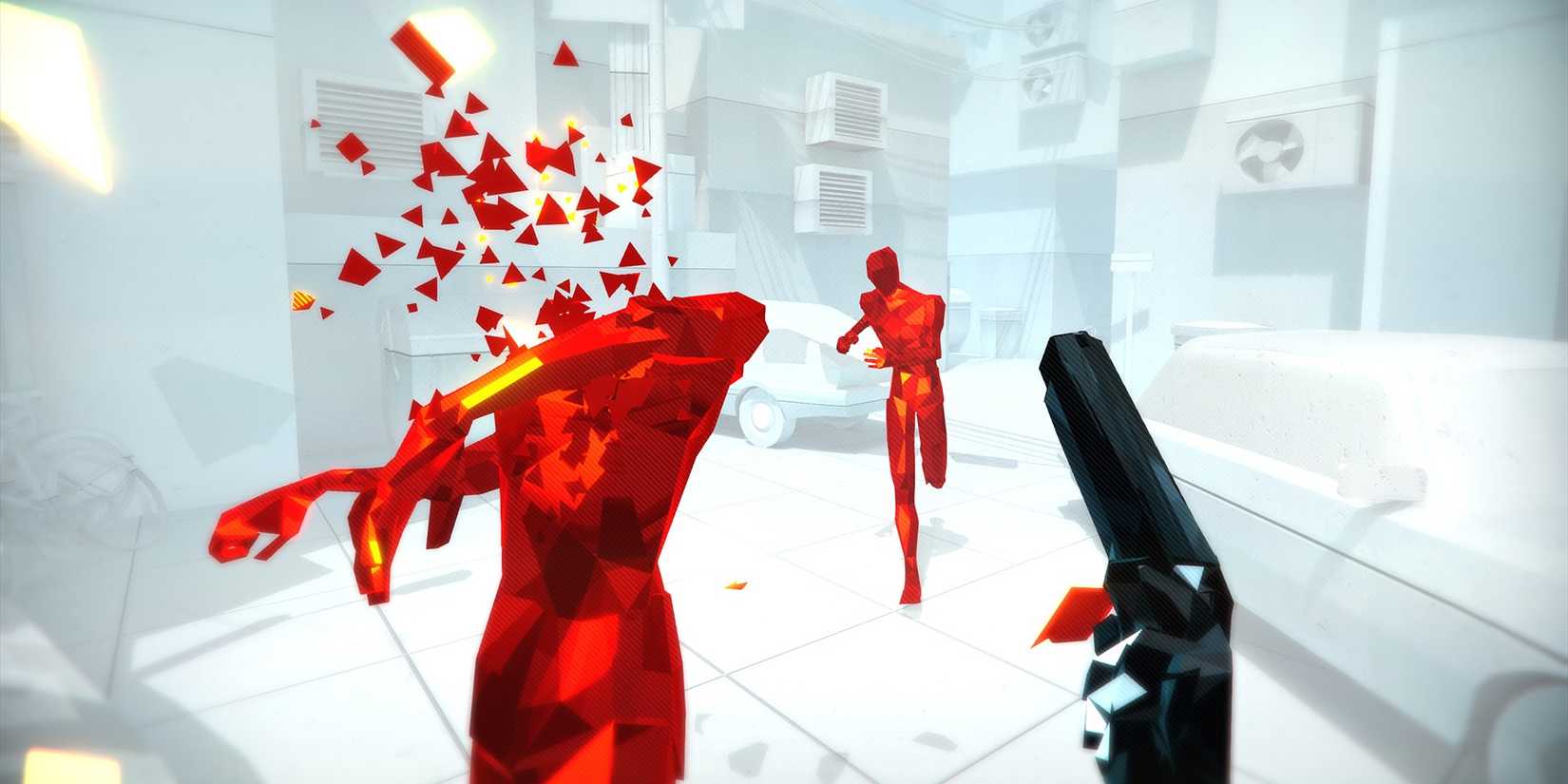
SUPERHOT is a unique first-person shooter that emphasizes intelligence over raw skill.
Instead of requiring lightning-fast reflexes or perfect aim, this game demands that you learn the level and enemy placements to succeed, because time advances only when you do.
Different weapons are used depending on the level’s requirements, but everything in SUPERHOT dies in a single hit. The change lies in adapting your strategy based on the tools at your disposal and the room’s setup.
The thought process and the constant adaptation needed makes for a deeply engaging experience, and it defies the traditional linear approach seen in many shooters. It’s a must-play indie title.
6
Hellblade: Senua’s Sacrifice
Unwanted Action
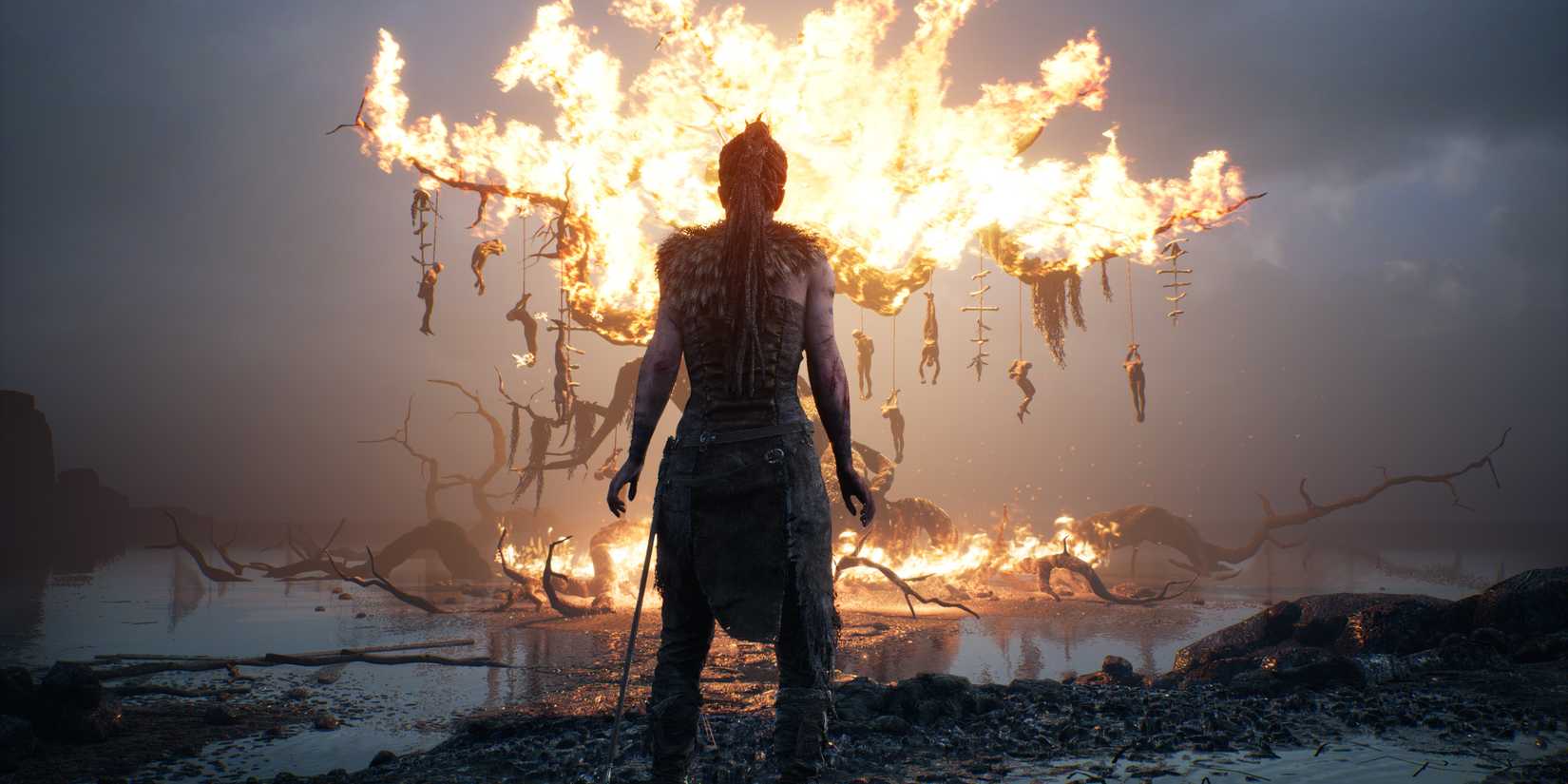
While Hellblade: Senua’s Sacrifice stands out for several reasons, robust gameplay isn’t one of them.
Both the combat and puzzles remain unchanged from start to finish, and one could argue that the game would be equally compelling, if not more so, as a walking simulator. Still, its simplicity has a unique value.
Neither standard enemies nor bosses present overwhelming challenges, but the unchanging nature of these encounters underscores the game’s thematic core, showing Senua’s vulnerability when confronted by her internal struggles.
Is this a convenient justification for limited gameplay? Perhaps. Does this make Hellblade: Senua’s Sacrifice any less significant, even with my clumsy justification? Absolutely not.
5
Hotline Miami
Unbridled Skirmishes
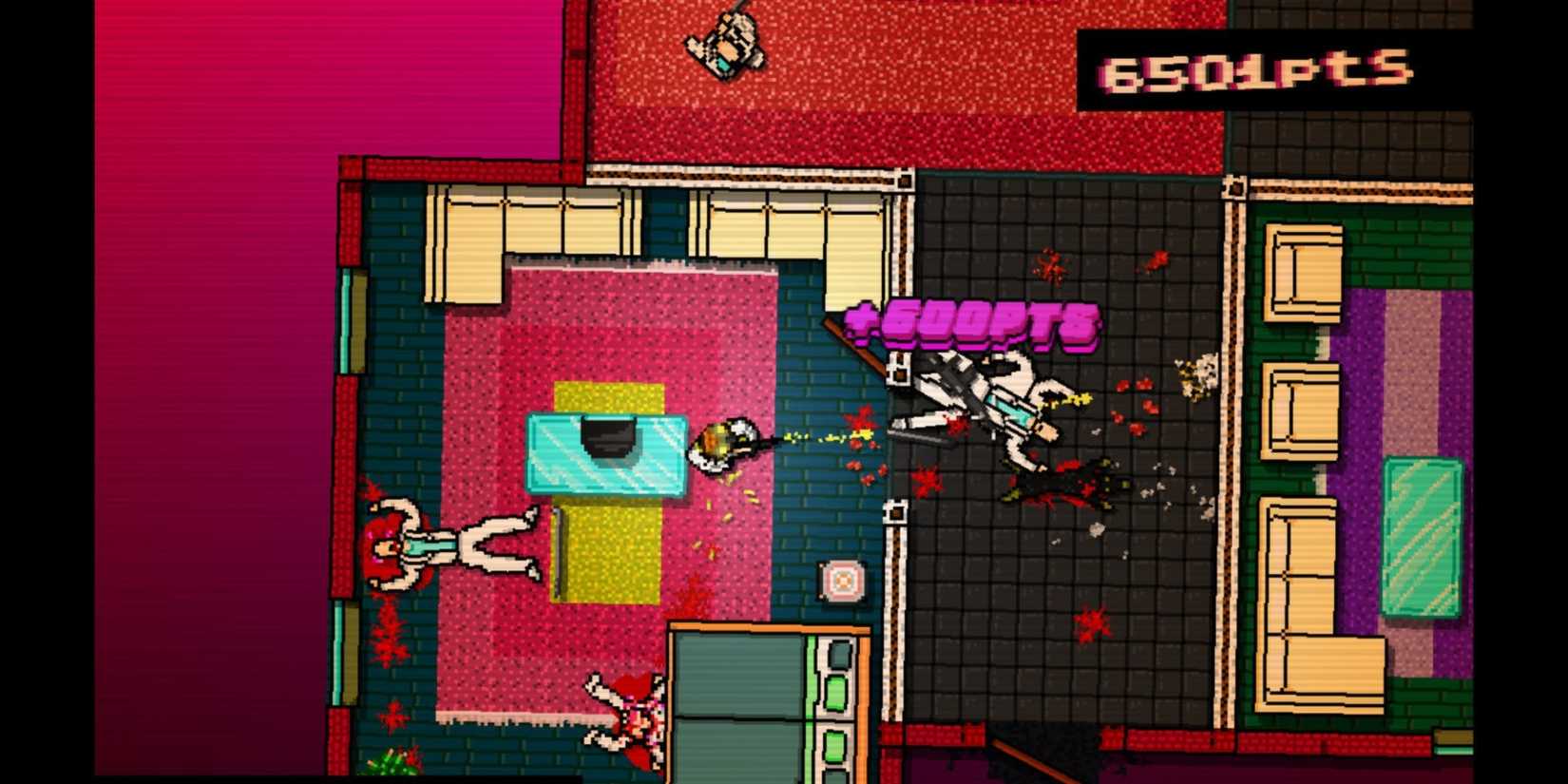
Hotline Miami, a modern example of the one-hit kill system, delivers high-octane adrenaline-pumping action. Mastering it is essential to progression.
Masks provide limited bonuses, but they’re circumstantial. Simply put, fancy equipment won’t compensate for a lack of skill in navigating this brutal world.
Each level demands multiple attempts, because there are no easy solutions. No matter the weapons or masks, you must approach each area with meticulous strategy to survive.
While not among the most difficult games ever made, Hotline Miami will test