
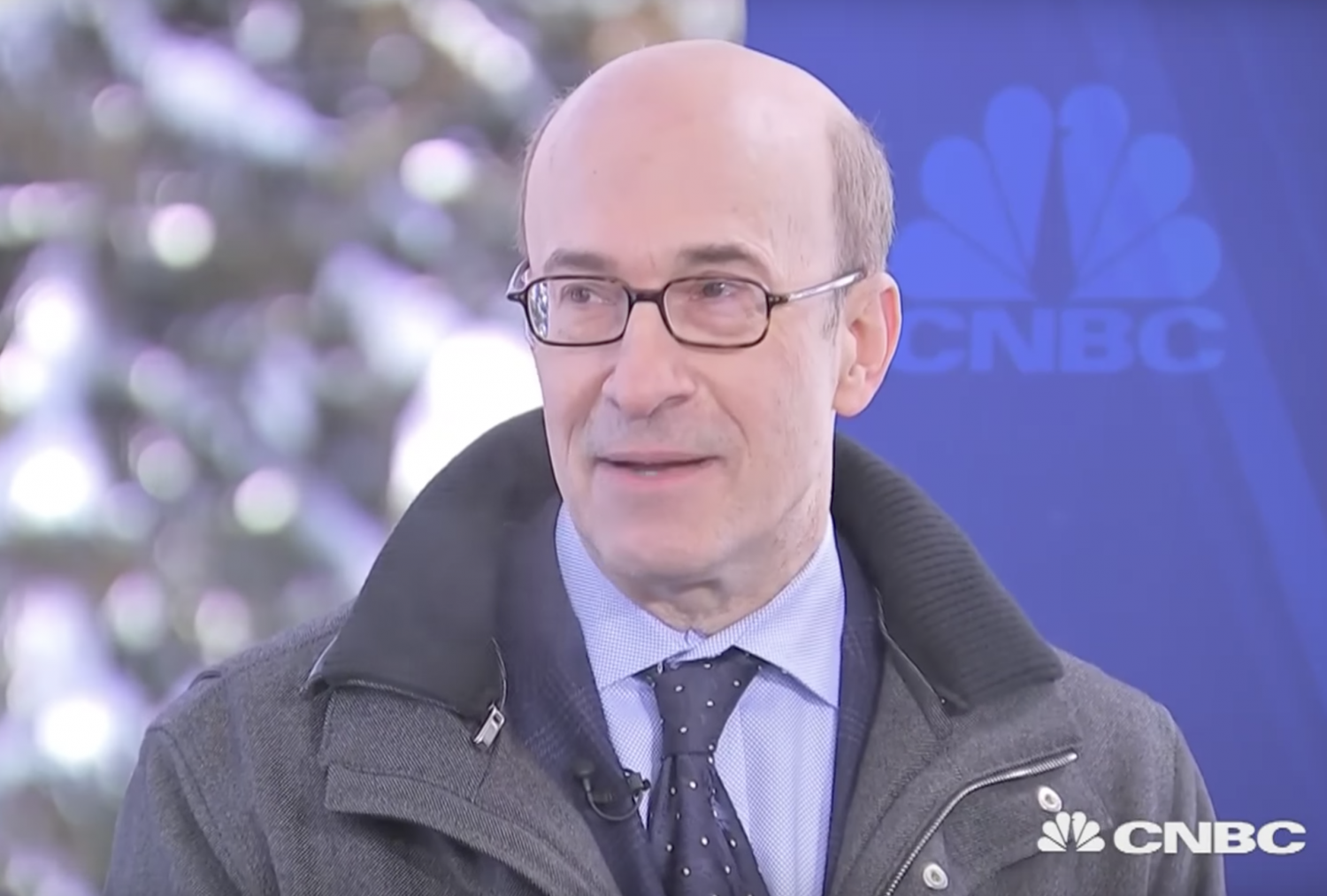
Back in 2018, Harvard University economics professor Kenneth S Rogoff, previously a chief economist at the International Monetary Fund, ventured a forecast regarding Bitcoin’s future.
He suggested Bitcoin had a higher probability of dropping to $100 than soaring to $100,000 within the following decade.
Fast forward to the present, and Bitcoin’s value has surprisingly surpassed the $100,000 mark this year. This represents a tenfold surge from its position in March 2018 when it traded below $10,000 and Rogoff predicted an oncoming price crash.
On Tuesday, as Bitcoin’s price stabilized around $113,000, Rogoff reflected on his inaccurate projection. He admitted he had been “far too optimistic about the U.S. coming to its senses regarding sensible cryptocurrency regulation.”
In a statement posted on X, economist Ken Rogoff from Harvard conveyed that he had anticipated stricter policies from authorities to curtail the utilization of cryptocurrencies in tax avoidance and illicit activities. Essentially, he was subtly criticizing the existing regulatory framework for its perceived leniency, which he believes allowed cryptocurrencies such as BTC to prosper in ways that were previously unforeseen.
Rogoff underestimated Bitcoin’s power to compete with fiat currencies, and its eventual role as a viable payment medium for the vast 20 trillion-dollar global shadow economy.
“This persistent demand effectively sets a lower limit on its price, a point I elaborate on extensively in my recent publication, ‘Our Dollar, Your Problem,'” Rogoff noted.
He also highlighted a “blatant conflict of interest”, observing that regulators were “holding hundreds of millions (if not billions) of dollars in cryptocurrencies seemingly without consequence.”