
Yesterday, the Senate Banking Committee released a preliminary draft of their proposed legislation concerning cryptocurrency market infrastructure, known as the Responsible Financial Innovation Act (RFI Act). This legislation diverges considerably from the CLARITY Act proposed in the House, most notably by assigning significant regulatory authority to the Securities and Exchange Commission (SEC) rather than the Commodity Futures Trading Commission (CFTC). The vast majority of cryptocurrencies would be governed by the SEC, although they would be exempt from several aspects of existing securities regulations. While the Agriculture Committee has yet to release its draft legislation concerning the CFTC, it is anticipated, based on the Senate Banking Committee’s bill, that this draft will primarily address typical derivatives market activities.
Assigning jurisdiction to the SEC makes practical sense. The SEC boasts a workforce roughly six times larger than the CFTC and possesses more extensive experience in handling retail investors. Furthermore, the Senate’s proposed framework offers a streamlined approach, positioning the SEC as the primary regulator for both traditional securities and what it terms “ancillary assets,” effectively treating cryptocurrencies as quasi-securities. Recent progress made by the SEC’s Crypto Task Force, spearheaded by Commissioner Hester Peirce, contrasts with the situation at the CFTC, where all sitting commissioners have recently resigned.
Two particularly noteworthy aspects of the bill include the establishment of a new Regulation DA exemption for token offerings and the expansion of the SEC’s mandate to encompass innovation and efficiency. This shift in regulatory focus mirrors broader objectives within Congress.
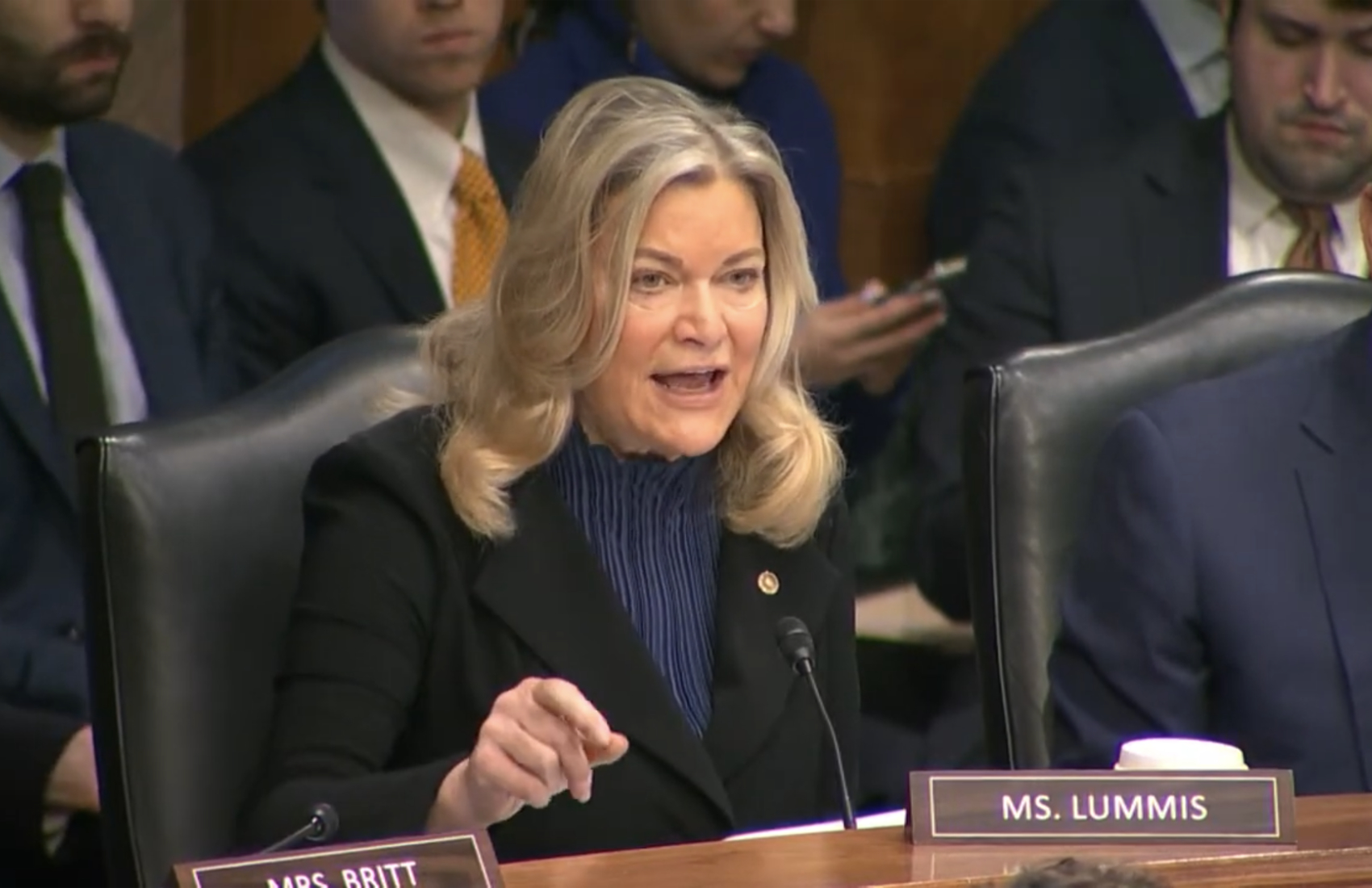
Senator Cynthia Lummis, a key sponsor of the bill, stated, “We must prevent regulatory uncertainty from pushing American innovation to other countries. This market structure legislation will clearly differentiate between digital asset securities and commodities, modernize our regulatory system, and solidify the United States’ position as a global leader in digital asset innovation.”
Beyond its core focus on cryptocurrencies, the proposed law also empowers banks to engage in Distributed Ledger Technology (DLT) and digital asset-related activities, such as custody, lending, market-making, and operating blockchain nodes. In addition, it mandates the SEC to create a “Micro-Innovation Sandbox”.
Crucially for the crypto industry, the bill tasks the SEC with developing a specific rule defining what constitutes an investment contract, potentially as a replacement for the existing “Howey Test”.
Which digital assets fall under the SEC’s purview?
The complete version of this article is exclusively available to Pro subscribers. We will continue to provide essential news on our main website, while in-depth analysis, expert insights, and industry insider details will now be accessible to our Pro subscribers. We encourage you to join us!