
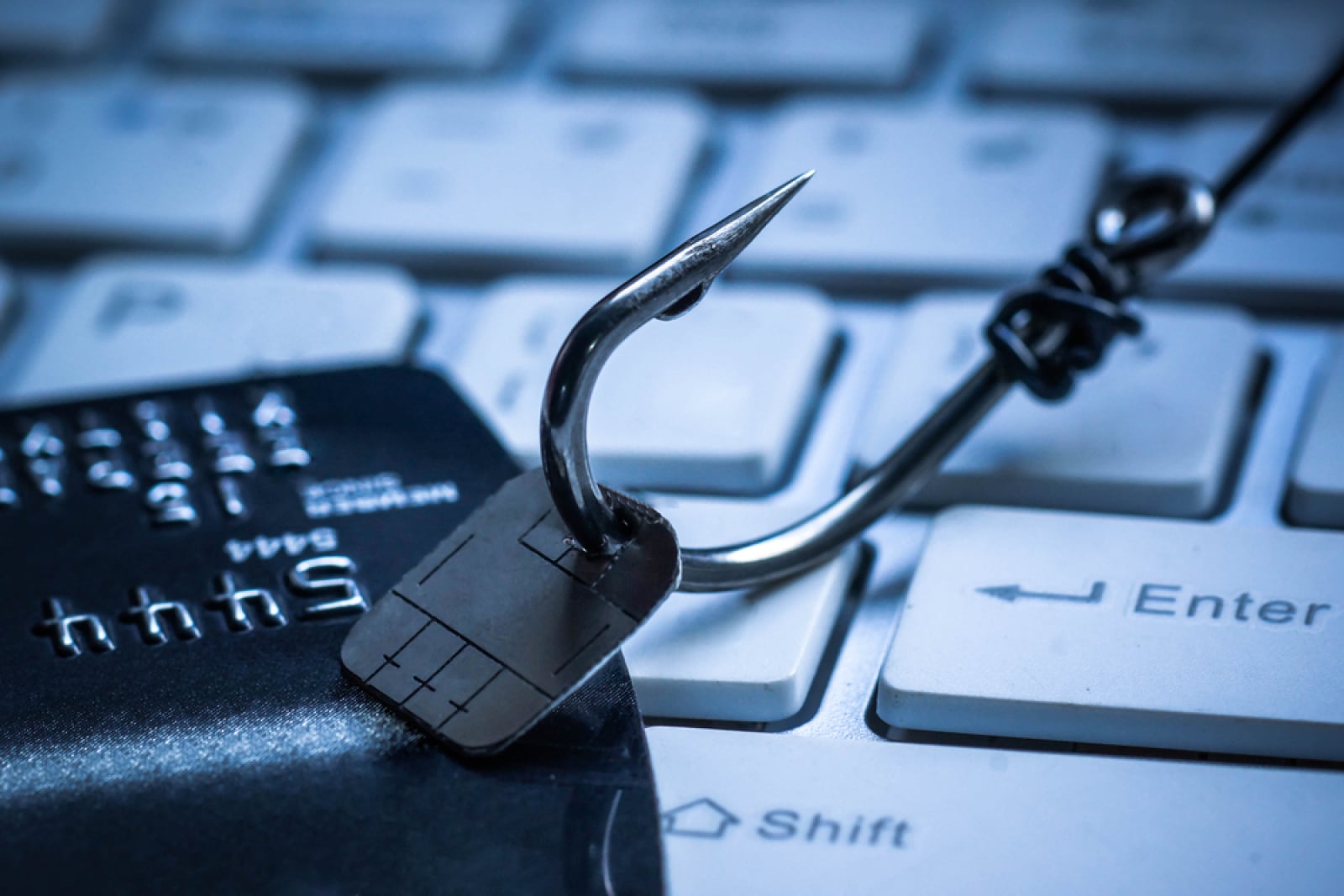
Anatoly Yakovenko, a co-founder of Solana, recently stated that the most significant risks to cryptocurrency come from phishing and social engineering, urging investors to focus more on these threats rather than concerns about AI or quantum computing undermining cryptographic security.
“The main danger to crypto is phishing and social engineering, not AI or quantum breaches,” he expressed on X.
He also recommended that individuals use a dedicated iOS device with Apple’s Lockdown Mode activated and consider employing a multisignature crypto wallet.
Yakovenko pointed out that these precautions are among the most affordable methods for investors to protect their digital holdings.
Key vulnerabilities
The remarks from the Solana co-founder spotlight a crucial flaw in crypto security: hackers can often access digital assets without needing to breach blockchain protection.
They can simply deceive cryptocurrency owners into granting them access to their funds.
Phishing techniques employ harmful emails, websites, or messages to trick users into divulging sensitive data, such as recovery phrases for crypto wallets or account credentials.
Social engineering encompasses a wider array of tactics, where attackers manipulate individuals into actions that jeopardize their security.
Binance breach and related incidents
Yakovenko’s argument gains clarity in light of the recent substantial hack involving Binance.
On October 29, the largest cryptocurrency exchange, Binance, experienced a significant security breach affecting approximately $6.34 billion in digital assets.
As per Binance’s investigation update on November 3, the hackers executed a complex social engineering scheme that included orchestrating fraudulent job interviews targeting Binance staff.
One software engineer at Binance was approached by individuals impersonating representatives of a fictitious company. This employee participated in fictional job interviews and was persuaded to download what appeared to be a valid technical task.
In reality, the downloaded file contained harmful code that compromised the employee’s computer.
Subsequently, the hackers utilized the affected devices, stolen credentials, and an internal AI tool to penetrate Binance’s wallet systems.
This ultimately enabled them to carry out unauthorized crypto transfers from the exchange’s hot wallets.
A report from the Security Alliance (SEAL), released on November 4, indicated that their security team addressed 99 incidents from October 28 to November 3.
Among these incidents, three involving fraudulent customer support calls led to losses of approximately $1.57 million and 1.12 BTC.
One scheme featured impersonators posing as Apple support agents, who managed to steal a victim’s Apple ID credentials; this person had stored their crypto recovery phrase in cloud storage. Another victim disclosed their wallet recovery phrase during a deceptive Telegram support call.
Additionally, the group documented 5,137 phishing domains within the same timeframe.