
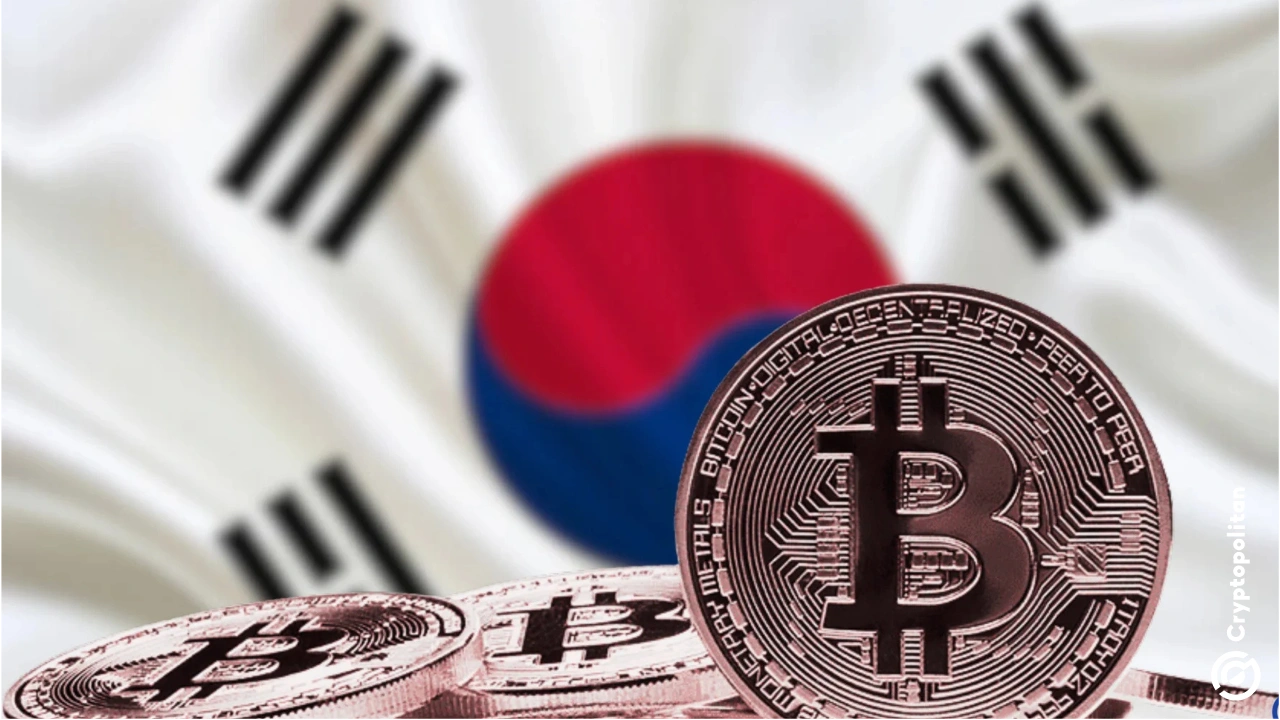
South Korea is preparing to adopt the OECD’s Crypto Asset Reporting Framework (CARF) starting next year. This system will facilitate the exchange of information about virtual asset transactions with other participating nations, operating under the OECD’s global reporting standards.
According to reports, the CARF framework will enable Korean crypto exchanges, such as Upbit and Bithumb, to share transaction data of foreign investors trading Bitcoin and other cryptocurrencies with international tax authorities. Simultaneously, the National Tax Service will receive details of South Korean residents engaging in crypto trading on platforms based outside the country.
The Ministry of Economy and Finance has confirmed the upcoming release of administrative guidelines for CARF this month. The Organization for Economic Co-operation and Development (OECD) established CARF to combat international tax avoidance and promote greater transparency within decentralized financial systems. During the 2023 OECD Global Forum, a significant agreement was signed by 48 countries, including major economies like the United States, the United Kingdom, Germany, and Japan.
This OECD reporting structure empowers tax authorities to more effectively monitor and track offshore financial activities, reducing reliance on solely self-reported information. Currently, South Korean citizens are required to declare any overseas financial assets exceeding 500 million won. This encompasses deposits, securities, and digital currencies. Recent data indicates that declared overseas virtual assets totaled 11.1 trillion won in 2025, representing a 700 billion won increase from the previous year. However, CARF will apply to all crypto transactions regardless of their monetary value.
The Korean government has stated that data gathered next year will be part of the initial data exchange cycle slated for 2027. Some officials have advocated for treating CARF compliance, which is dictated by international regulations, as distinct from domestic tax policies. The implementation of taxes on digital assets in South Korea has been deferred until 2027, whereas other countries, including Germany and the U.S., have already enacted tax laws concerning digital asset holdings.
The OECD’s joint statement from November 2023 emphasized that the widespread adoption of CARF is crucial for preventing tax evasion and ensuring fair and consistent global tax compliance. All signatory countries committed to integrating the framework into their national legal systems and agreed to activate data sharing agreements well in advance of the 2027 data exchange deadline.
South Korea Driving Digital Finance Transformation Through OECD Collaboration
Hong Kong also joined the OECD’s framework last year. They have scheduled their first automatic exchange of crypto tax information for 2028 and are set to begin legislative adjustments in 2026. China has been routinely sharing financial account details with global tax jurisdictions since 2018, which includes data on foreign bank accounts used by tax authorities to identify undeclared income. The Chinese territory has also revised its crypto regulatory frameworks by introducing new anti-money laundering measures and licensing requirements for digital asset service providers.
South Korea enacted its tokenization law recently to officially recognize and integrate tokenized securities as part of its broader financial modernization agenda. These reforms followed the election of President Lee Jae-Myung in June, who championed the digital asset agenda with cross-party support for the Token Securities Act.
This tokenization law amended the Electronic Securities Act and the Capital Market Act, which recognizes blockchain as a legitimate record-keeping system, setting the stage for widespread security token issuance within the country. The initiative to join the OECD framework, coupled with the passage of legislation for tokenized securities and stablecoins, demonstrates a strong bipartisan commitment to transforming South Korea’s digital finance sector.