
Telegram crypto alerts are practical tips suggesting when to purchase or sell a particular digital currency. They are invaluable for novice traders or individuals who lack the time to analyze market charts, offering a simplified approach to making choices. By using these alerts, you can save time, arrive at well-informed trading decisions, and decrease the likelihood of capital loss from incorrect market calls.
Telegram is the favored platform for most providers to disseminate crypto alerts because of its rapid message delivery system and the ease with which users can stay updated. Subscribers receive alerts in real-time along with detailed analysis backing each recommendation.
This article will provide an extensive look at what crypto alerts are, how they function, the common types of alerts for digital currency trading, and the associated advantages and disadvantages of utilizing Telegram crypto alerts. Furthermore, you’ll discover how to interpret crypto alerts and select a reliable Telegram group to follow for your trading needs.
What Are Crypto Alerts on Telegram?
Crypto alerts communicated through Telegram are essentially trading guidelines that advise on the optimal times to buy or sell a cryptocurrency. Each alert is complete with specific entry and exit prices, encompassing a stop-loss parameter for risk management and a profit target to ensure earnings. Telegram groups focused on cryptocurrency alerts frequently recommend divesting a portion of a position based on the prevailing market dynamics.
For example, a futures trade alert for ONDO/USDT might suggest a significant price surge. Traders might initiate a short position at $0.055 (equivalent to 5,500 ONDO at 1x leverage). Should ONDO’s value rise by a defined percentage, like 40%, the alert provider may advise securing profits on 50% of the position while retaining the other 50% to capitalize on further potential gains up to the originally targeted take-profit point.
This methodology helps secure partial profits while preserving the possibility of greater returns should the trade achieve its pre-set profit margin. This approach is a risk management strategy, designed to protect traders from the inherent volatility of the market.
The foundation of cryptocurrency alerts is market data, encompassing price charts, trading volumes, technical indicators, and social media trends. Experienced analysts interpret this data to provide guidance, aiding traders in leveraging the fluctuating markets for profit.
Alert providers generally offer both complimentary and premium services. Many of the paid services provide free alerts alongside enhanced analysis and guidance to their premium subscribers. Telegram is a commonly used channel for providing these alerts, known for its real-time message dispatch, immediate notifications, and its robust crypto-centric community.
How Do Crypto Alerts Operate?
Crypto alerts function by providing a complete strategy for entering and exiting trades. This encompasses specific instructions about when to buy or sell, where to lock in profits, and when to conclude the trade if the market trends unfavorably. The objective is to eliminate guesswork and empower traders to make well-defined decisions rooted in thorough analysis.
Expert traders derive these alerts from a comprehensive evaluation of various factors: price charts, trading volumes, technical metrics such as the RSI, MACD, and Bollinger Bands, social media and news sentiments, and on-chain analytics.
From this detailed examination, they formulate projections and relay them to their inner circle or within a designated alert group.
A typical alert is broken down into these core elements:
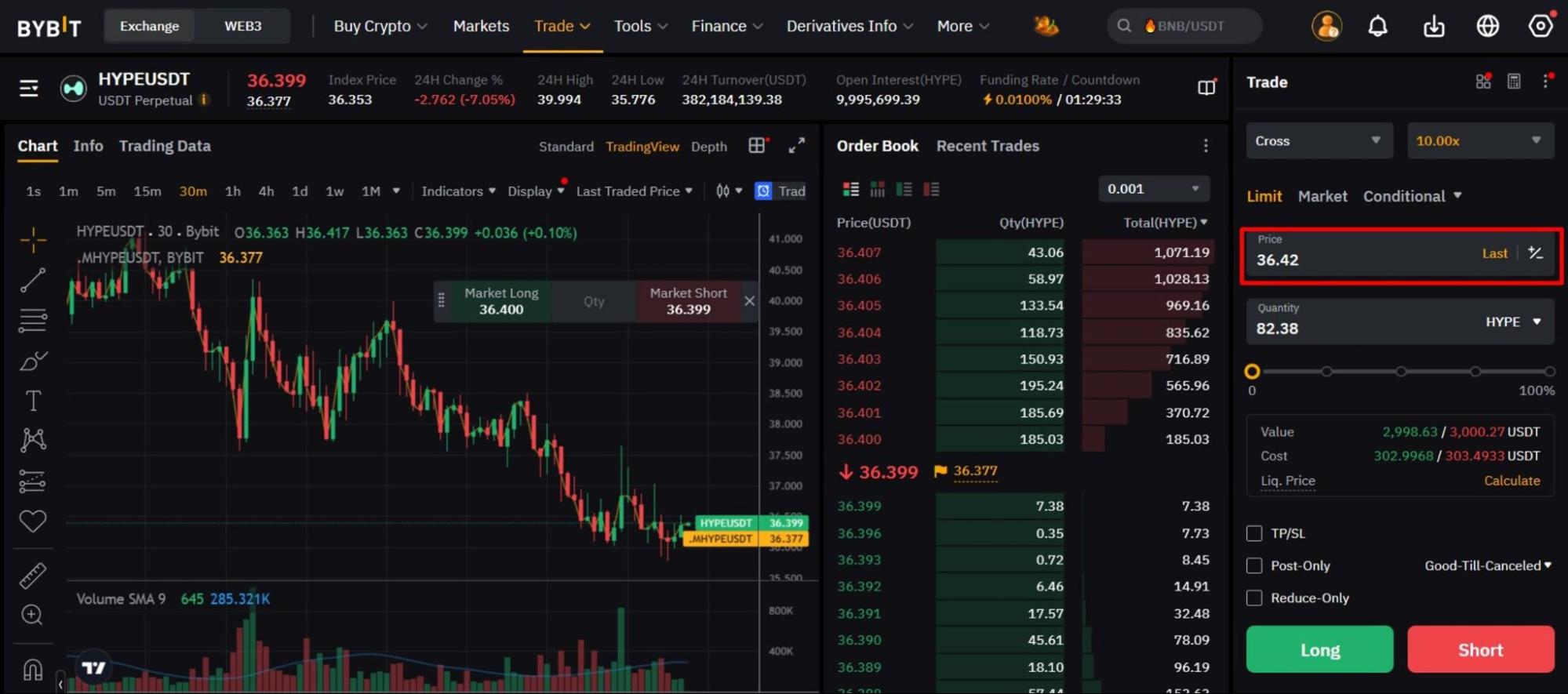
1. Entry Price:
This indicates the optimal price range for starting a trade. It’s where alert providers anticipate the market to shift in the predicted way. For example, if an alert suggests an entry price of 0.0950 and the market price has slightly deviated when you see it, you can still initiate your position at the prevailing market rate and adjust the parameters according to the alert’s specifications.
2. Stop Loss:
The stop-loss price defines the upper limit of possible losses on a trade. If the market veers too far in the opposite direction, the trade is automatically closed at this point, safeguarding your funds and preventing substantial financial setbacks.
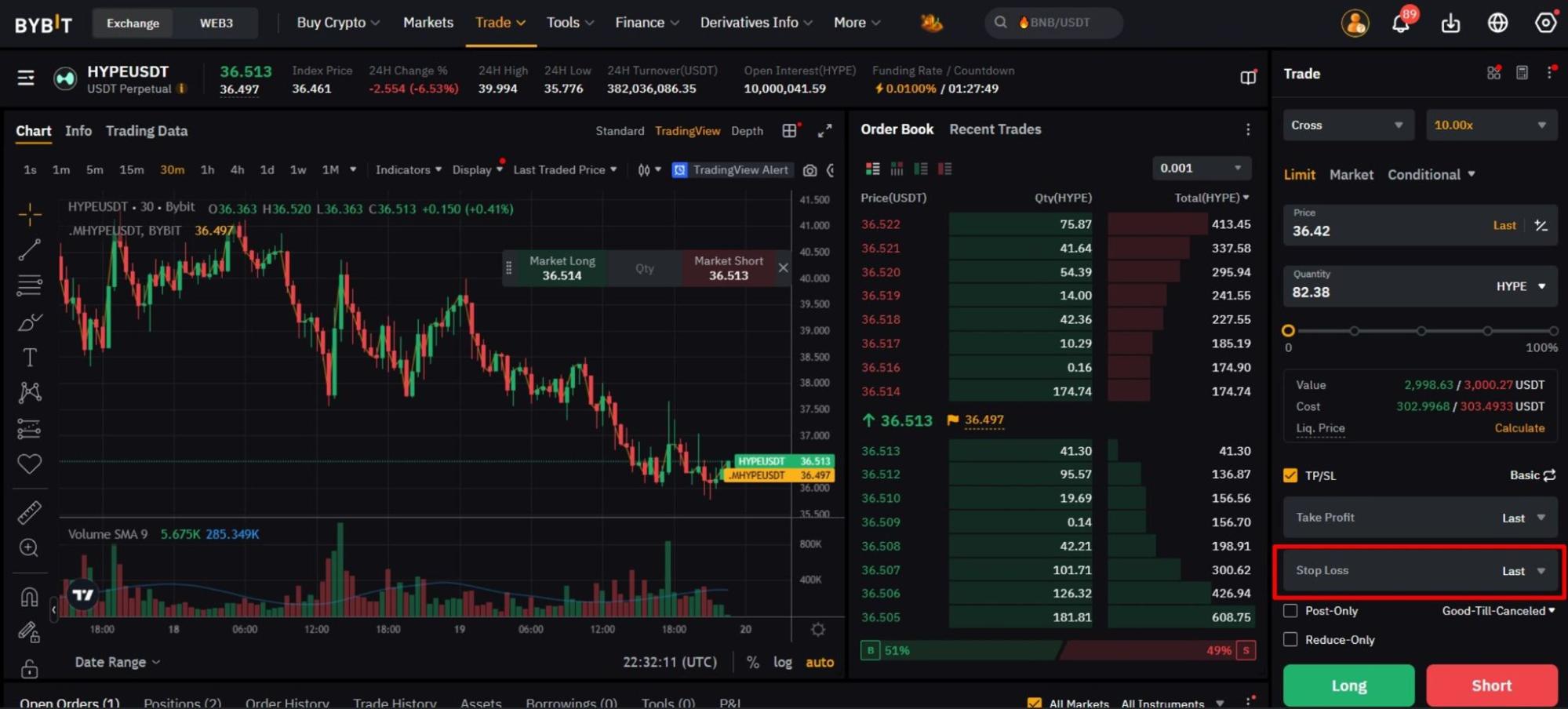
Depending on the crypto exchange you are using to trade, you can find this tool at the bottom corner of the trading interface, which is usually depicted as TP/SL (Take Profit/Stop Loss).
3. Take Profit:
The take-profit price is set to ensure you can close the trade profitably. Alerts might designate one or multiple take-profit goals. Traders can decide to close the full position at a single level or incrementally take profit across several levels, strategically decreasing risk and securing profits at regular intervals.
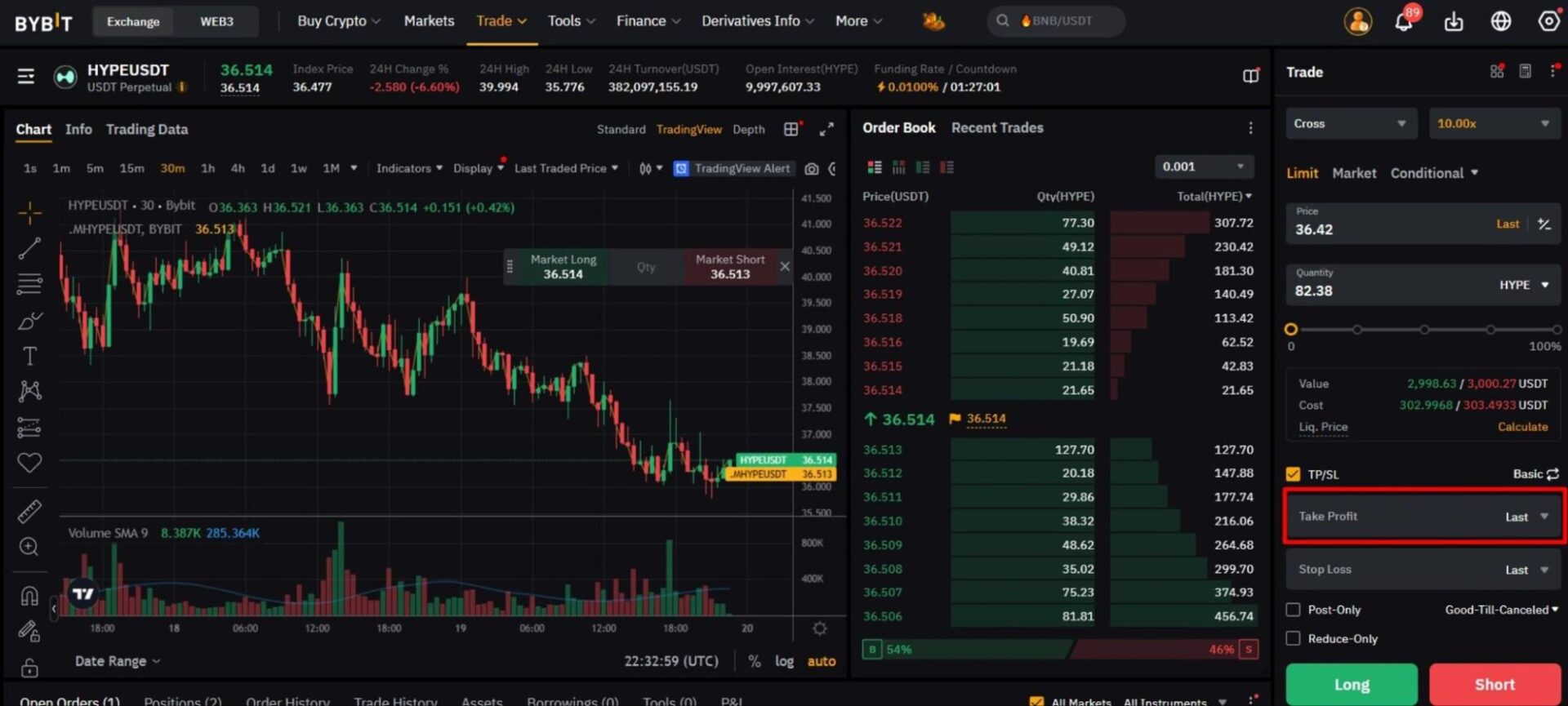
These tools combine to form comprehensive alerts that traders can use to maximize potential profits. With Telegram alerts, you receive all necessary details for manual trade execution, which saves you from continuously monitoring market dynamics.
Why Telegram?
Telegram is a go-to for experienced traders because alerts are delivered with outstanding speed. Every group member receives alerts instantly, a critical factor given the volatile nature of crypto markets, where even minimal delays can significantly impact trade outcomes.
Beyond its speed, Telegram builds connections within trading circles through community-focused features. Most alert groups host large group chats and broadcast channels, simplifying the organization of communities around trading approaches or digital assets. This structure allows users to stay current, pose questions, engage with peers, and receive advice from industry professionals.

Common Types of Crypto Alerts
Widely used alert types include those for crypto futures, day trading, and spot trading.
Futures Alerts
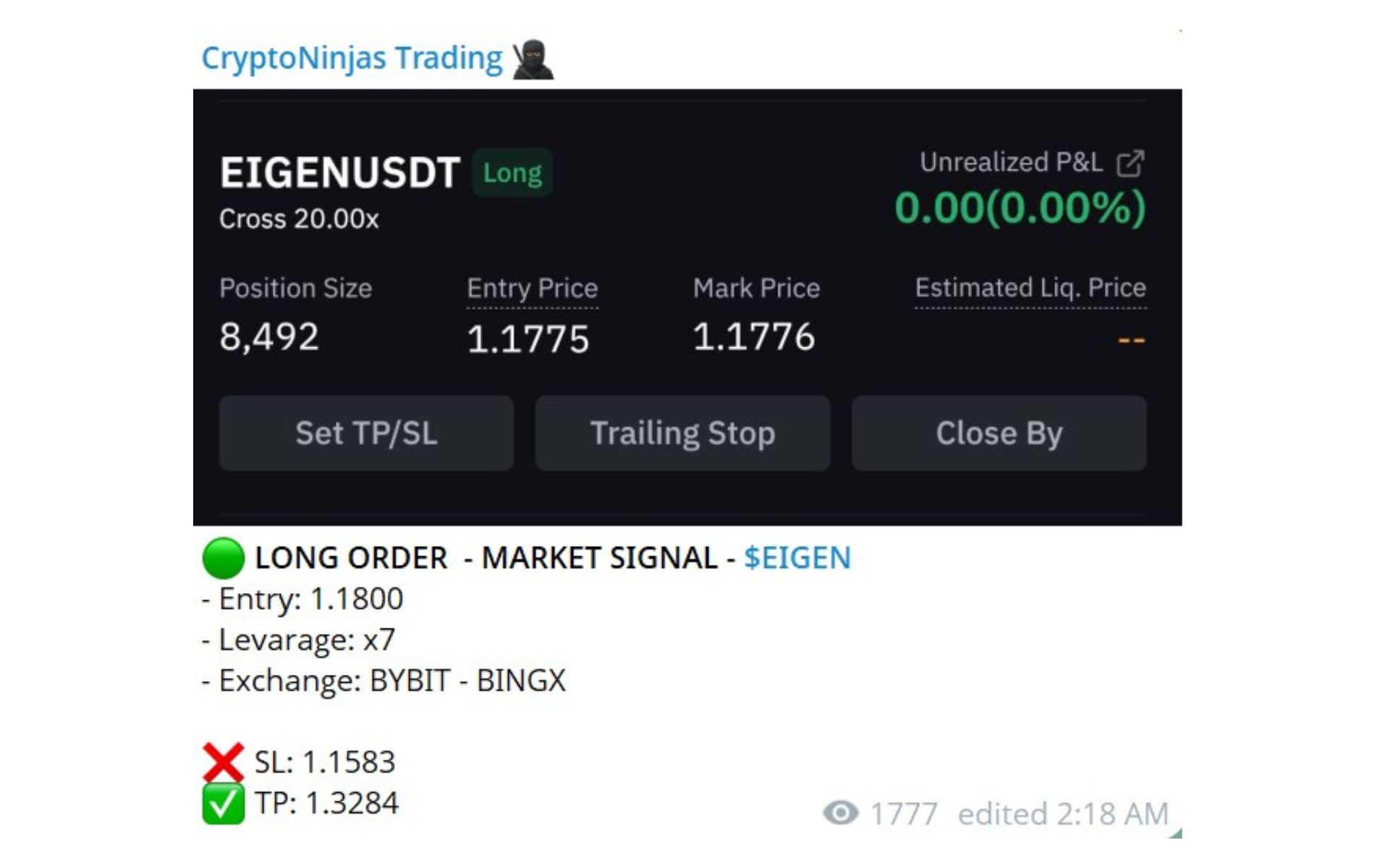
Futures alerts cater to traders involved in contracts rather than direct cryptocurrency purchases. These traders forecast price oscillations without owning the underlying asset. An alert provides key information: entry timing, trade direction, exit strategies, and appropriate leverage levels, along with a stop-loss setting to mitigate risks.
Here’s an example of a typical futures alert:
Day Trading Alerts
Day trading alerts are tailored for swift trades, capitalizing on intra-day market dynamics. This strategy involves opening and closing positions within the same day. Like futures alerts, these offer specifics such as the cryptocurrency to trade, entry prices, stop-loss thresholds, and take-profit goals.
Spot Trading Alerts
Spot trading alerts guide traders in direct coin purchases for holding and selling at higher prices. Unlike futures trading, spot trading involves owning the crypto asset outright, with alerts specifying buy or sell actions, the coin involved, entry price ranges, stop-loss levels, and profit targets.
Spot trading signals aid in profiting from short-term fluctuations, incrementally building gains without funding fees or the expiration concerns of leveraged products. This method avoids liquidation risks due to the absence of leverage, making it appealing for risk-averse traders.
Benefits and Risks on Telegram
Benefits include real-time notifications, time savings, access to expert insights, learning opportunities, and trading devoid of emotional influence. Risks encompass no guaranteed accuracy, dependency on groups, and the possibility of encountering pump-and-dump schemes.
Advantages
The upsides of relying on crypto alerts include:
-
Real-Time Alerts
Reliable alert providers coupled with Telegram’s instant delivery enable traders to act swiftly on opportunities without constant chart monitoring.
-
Convenience and Time-saving
Detailed alerts, including entry and exit points, stops, and profit targets, allow traders to set trades and manage other tasks. Telegram’s user-friendly mobile interface makes alert monitoring and response easy.
-
Insights From More Experienced Traders
Professional traders or analysts often provide market insights, sentiment analysis, and technical assessments that offer beginners a strategic advantage.
-
Opportunities for Learning
Exposure to diverse alerts helps familiarize you with market trends and setups, improving future independent decisions.
-
Emotion-free Trading
Alerts promote disciplined trading, mitigating emotional impulsiveness by dictating clear courses of action.
Challenges and Risks
Potential downsides of using alerts:
-
No Guaranteed Accuracy
Alerts lacking solid market research can result in losses. Market volatility means even expert analysts can err, leading to unreliable signals.
-
Over-reliance on Signal Groups
Sole dependence on alert providers may hinder the development of independent research and technical analysis skills.
-
Market Manipulation (Pump-and-Dump Schemes)
Groups may artificially inflate the prices of low-volume coins, only to dump them after attracting unsuspecting buyers.
Interpreting Alerts on Telegram
A guide on how to proficiently read crypto alerts:
-
Entry Price:
This sets the timing for trade initiation. If it’s a range, you can buy/sell within it. For prices outside this range, set a limit order.
-
Stop Loss:
Closes your position to limit losses if the market trends adversely.
-
Take Profit:
Offers multiple levels to secure profits. Choose to fully exit or partially hold for successive targets.
-
Direction Tells You Whether to Buy or Sell
:
If the signal says “
long order
,” the trader expects the price to go up. If it says “
short
order
,” the goal is to profit from the price drop of the crypto asset.
-
Signal Type:
Specifies whether it’s for spot trading (holding actual coins) or futures trading (speculating on future values).
-
Leverage:
Indicates the multiplication factor applied to your position, amplifying both risks and potential rewards.
-
Screenshots or Chart Links
:
Detailed alert providers include charts to visualize patterns and target points.
-
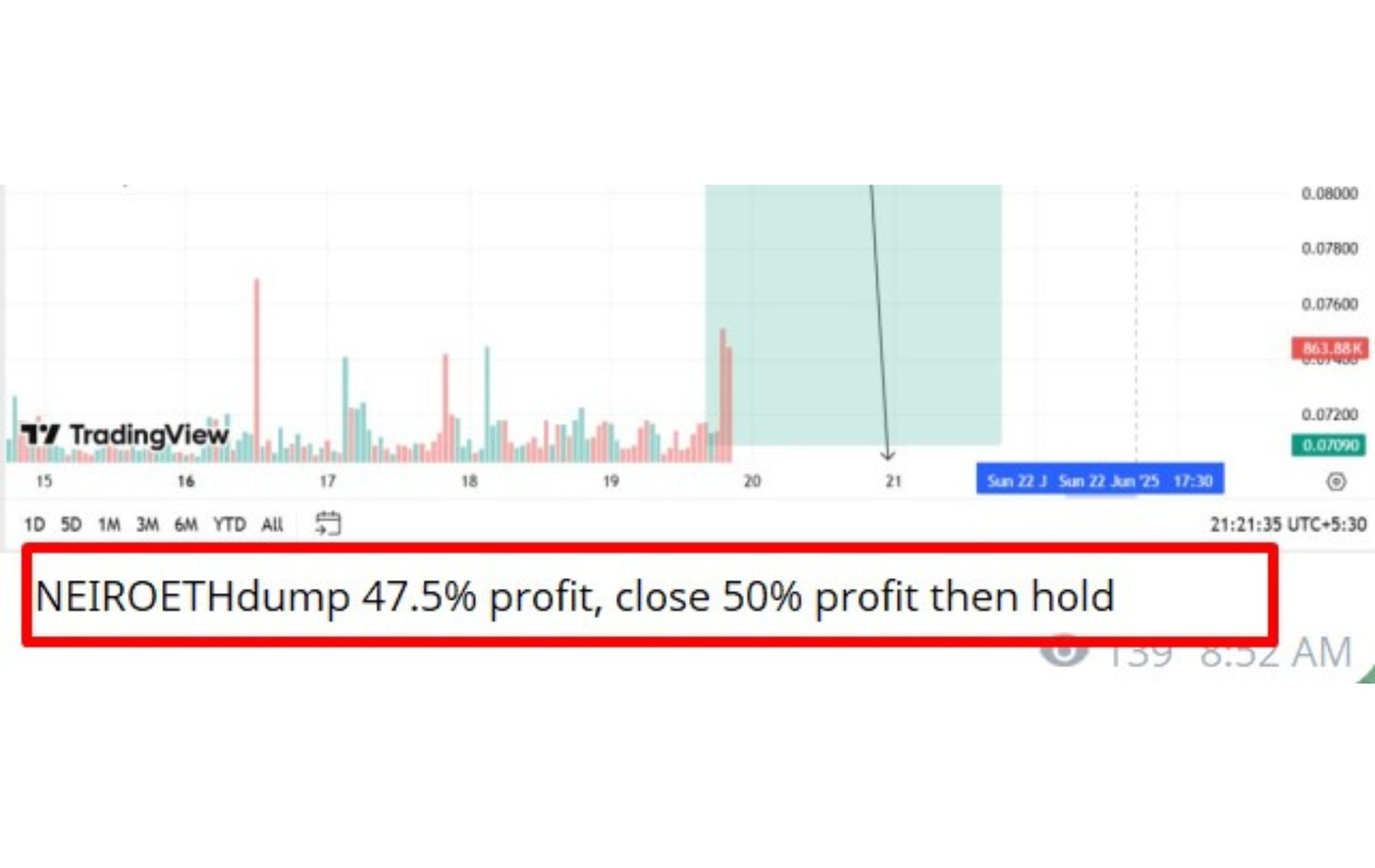
Follow-up Messages
:
Monitor updates that advise on adjusting stops or securing profits.
If you want to explore more about signal setups or how traders use bots with Telegram alerts, this article on
Telegram trading bots
will understand how automated trading tools on Telegram work and how you can use them to execute trades directly through the Telegram app.
Reliability of Signals
Signal reliability varies widely. While the best groups boast 90% accuracy based on solid research, others might be speculative or derivative.
Selecting an Alert Group
Look for trustworthy providers, note user interaction, and selectively follow trades:
- Check Signal Quality and Update Frequency
Monitor a group’s performance over time. A diligent provider offers regular, detailed alerts and quickly adjusts advice in response to market changes.
- Supported Exchanges and Trading Strategies
Ensure compatibility with your exchange and alignment with your chosen trading style.
- Pricing (Paid Vs. Free Crypto Signals Channels)
Balance cost with perceived value, considering free trials and premium services.
- Reputation and User Reviews
Investigate reviews on platforms such as Trustpilot and Reddit.
Seek established groups with active communities and positive feedback.
- Community Engagement and Support
Select channels where active discussions occur, indicating engaged membership and administrative responsiveness.
- Educational Content
Prioritize providers that offer educational resources alongside their alerts, aiding in skill development.
For instance, Cryptoninjas provides comprehensive guides, exchange reviews, and timely market analysis.
In addition to the recommendations from the crypto signals group, you need to do your own research to understand the crypto world and know which coins to trade.
To help you get started, check out this list of the
best low-cap cryptocurrencies to invest in
. With this, you can know what cryptos have high growth potential, what trading signals to participate in, and the ones to ignore.