
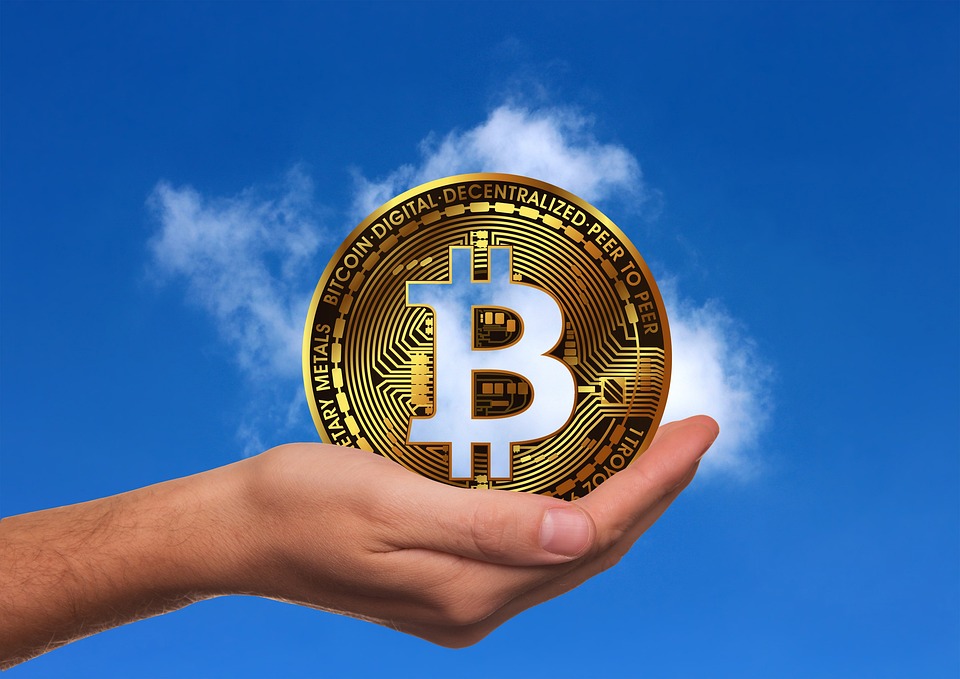
The Ultimate Beginner’s Guide to NFTs: Everything You Need to Know
In the world of digital art, collectibles, and cryptocurrency, a new phenomenon has taken the internet by storm: Non-Fungible Tokens, or NFTs. As a beginner, navigating the complex and rapidly evolving world of NFTs can be overwhelming. But fear not, this guide will walk you through everything you need to know to get started.
What are NFTs?
NFTs are unique digital assets that represent ownership of a specific item, such as a piece of art, music, video, or even a collectible. Unlike traditional cryptocurrencies like Bitcoin or Ethereum, which are interchangeable and can be replaced by another identical unit, NFTs are one-of-a-kind and cannot be exchanged for another identical asset.
How do NFTs work?
NFTs are built on blockchain technology, which is a decentralized and secure way of storing data. When an artist or creator wants to sell an NFT, they mint it on a blockchain platform, such as Ethereum or Flow. The minting process involves creating a unique digital token that represents the ownership of the item.
The token is then stored on the blockchain, which acts as a public ledger that records all transactions related to the NFT. This ensures that the ownership of the NFT is tamper-proof and can be verified by anyone.
Types of NFTs
NFTs can take many forms, including:
- Art NFTs: Unique digital art pieces, such as paintings, sculptures, or photographs.
- Collectible NFTs: Rare and limited-edition digital collectibles, such as sports cards, trading cards, or in-game items.
- Music NFTs: Exclusive music tracks, albums, or even entire music libraries.
- Video NFTs: One-of-a-kind video content, such as movies, TV shows, or live performances.
- Virtual real estate NFTs: Unique virtual land or property in online games or virtual worlds.
Benefits of NFTs
NFTs offer several benefits to creators and collectors, including:
- Ownership: NFTs provide a secure and verifiable way to prove ownership of a unique digital asset.
- Rarity: NFTs can be limited in quantity, making them scarce and potentially more valuable.
- Decentralization: NFTs are stored on a blockchain, which is a decentralized and transparent ledger.
- Monetization: NFTs offer creators a new way to monetize their digital content and connect with their fans.
- Community building: NFTs can create a sense of community among collectors and enthusiasts.
How to Buy and Sell NFTs
To buy and sell NFTs, you’ll need to follow these steps:
- Choose a platform: Select a reputable NFT marketplace, such as OpenSea, Rarible, or SuperRare.
- Create a digital wallet: Set up a digital wallet, such as MetaMask, to store your cryptocurrencies and NFTs.
- Fund your wallet: Deposit cryptocurrencies, such as Ethereum or Bitcoin, into your wallet.
- Browse NFT marketplaces: Explore NFT marketplaces, such as OpenSea or Rarible, to find NFTs for sale.
- Purchase an NFT: Buy an NFT by sending the required cryptocurrency to the seller’s wallet.
- Store your NFT: Store your NFT in your digital wallet or on a platform like OpenSea.
Tips for Beginners
As a beginner, here are some tips to keep in mind:
- Do your research: Learn about the NFT market, its trends, and its risks.
- Start small: Begin with small purchases and gradually increase your investment.
- Diversify your portfolio: Spread your investments across different types of NFTs and platforms.
- Be cautious of scams: Be wary of scams and fake NFT marketplaces.
- Stay up-to-date: Follow NFT news, trends, and market analysis to stay informed.
Conclusion
NFTs offer a new and exciting way for creators to monetize their digital content and for collectors to own unique and rare digital assets. As the NFT market continues to grow and evolve, it’s essential to stay informed and adapt to the changing landscape. With this guide, you’re now equipped with the knowledge to navigate the world of NFTs and start your journey as a collector, creator, or enthusiast.
Frequently Asked Questions
Q: What is the difference between an NFT and a cryptocurrency?
A: An NFT is a unique digital asset, while a cryptocurrency is a digital currency that can be exchanged for other currencies or assets.
Q: How do I create an NFT?
A: You can create an NFT by minting it on a blockchain platform, such as Ethereum or Flow, using a digital wallet and a platform like OpenSea or Rarible.
Q: Can I buy NFTs with fiat currency?
A: Some NFT marketplaces, such as OpenSea, allow you to buy NFTs with fiat currency, while others may require you to use cryptocurrencies like Ethereum or Bitcoin.
Q: Are NFTs a good investment?
A: NFTs can be a good investment, but it’s essential to do your research, understand the market, and be aware of the risks involved.
Q: Can I sell my NFTs?
A: Yes, you can sell your NFTs on NFT marketplaces, such as OpenSea or Rarible, or through private sales.