
For ages, markets have connected buyers needing something now with sellers willing to provide it. It used to happen in bustling marketplaces with set hours. Later, telephones, digital ledgers, and automated systems tightened the gaps between prices and sped things up. Today, everything is going digital. Cryptocurrencies have taken the concept of “always available” to the extreme: no opening or closing times, no breaks, always accessible; global networks processing transactions every second. Now, anyone can join, from individual investors to big firms, using apps or code.
Going digital offers definite advantages: trade when you want, react to news fast, and access lots of trading options even if you’re not near major financial centers like New York or Hong Kong.
However, being “always on” doesn’t guarantee good decisions. Exchanges sometimes halt deposits or specific markets for updates, and wise traders take breaks to prevent mistakes from tiredness, accidental clicks, or impulsive decisions.
This guide is based on research using studies about crypto markets, official exchange documents (Binance, Coinbase, CME, Eurex, OKX), plus real-world events and policy changes for context.
In the sections that follow, we’ll outline the times when crypto trading typically offers better prices and clearer trends, explain why market activity and available trading options change throughout the day, and show how to use tools to focus your attention. The main goal is to increase opportunity, reduce unnecessary risk, and provide a solid, time-conscious plan.
Are Crypto Markets Open 24/7?
If you’ve ever traded stocks or forex, you’re likely used to strict trading schedules, lunch breaks in Tokyo, or the closing bell on Wall Street. Crypto is different. Its “always on” status is both a huge benefit and a shock for those new to digital currencies. But what does “always open” actually mean, and is it true for all crypto trading types?
Global Nature of Cryptocurrency Trading
Let’s make something clear: crypto markets never truly close. Unlike regular stores or traditional exchanges, crypto trading goes on 24/7, every day of the year. This is due to decentralization: no single controlling entity, no official clock, and no closing bell.
Whether you’re trading on a centralized exchange such as Binance or using a decentralized platform like Uniswap, you can trade anytime, anywhere. Trades are processed through blockchain networks without needing banks, managers, or facing limits. You can trade at 3 AM or during a holiday.
Some exchanges still use “open” and “close” times (usually in UTC) to define daily periods for charts, but the market is always fully active.
Differences Between Spot, Futures, and Options Market Hours
Now, let’s discuss the crypto aspects that do follow hours, despite the 24/7 myth:
This is the simplest form: exchanging one crypto for another (or traditional money). Spot trading on exchanges such as Binance, Coinbase, Kraken, and OKX is available 24/7, all year. Temporary maintenance windows are the only breaks, and these are announced in advance.

Here’s where it becomes more regulated and structured:
- CME Bitcoin/Ethereum Futures: Trading occurs from Sunday 5 PM to Friday 4 PM Central Time, with a daily hour break from 4-5 PM CT. These follow standard market rules because they are regulated U.S. financial products.
- Coinbase Derivatives (Major 2025 Update): As of May 9, 2025, Coinbase became the first exchange regulated by the CFTC to provide 24/7 Bitcoin and Ethereum futures trading, getting rid of the weekend pauses of CME futures. This is a big change for U.S. traders who can now trade crypto futures around the clock under regulation.
- Exchange-Native Futures: Futures on Binance, OKX, and similar platforms usually run 24/7 like their spot market versions.
Options (Derivatives)
- CME cryptocurrency options have the same Sunday-Friday schedule as the futures they are based on.
- European crypto options regulated by Eurex are traded Monday-Friday 8:00-20:00 CET, with contracts ending at 17:00 CET on the settlement day.
- Exchange options (Binance, OKX) generally trade 24/7 along with their futures offerings.
Weekend Differences on Exchanges like Kraken, OKX, Binance
Here’s the real story: spot markets on major exchanges remain fully operational on weekends. However, the trading experience changes:
- Binance, Kraken, OKX: Keep spot and most derivatives markets open 24/7, including weekends. Short maintenance periods (announced in advance) are the only interruptions.
- Cryptocurrency CFDs: Many brokers, such as Axi, Exness, and IG, actually offer crypto CFD trading on weekends, unlike typical forex CFDs. Some have short gaps (like Sunday 07:00-10:00 GMT for maintenance on certain platforms).
- Volume Patterns: Though markets stay open, weekend trading typically has lower volume and broader price differences. About 35% of weekly crypto trading happens on weekends, according to Copper research.
Main Point: Spot trading of cryptocurrency is truly 24/7, every day of the year, but derivatives vary significantly based on whether they are specific to an exchange (usually 24/7) or traditional futures with regulation (often with weekend gaps, except for Coinbase’s new 24/7 offering).
Understanding Market Volatility & Liquidity Cycles
Before we dive into the specifics of market activity and available trading options, let’s set the scene.
Crypto isn’t unstable without reason. Its fluctuations and unusual trading patterns happen regularly and are worth understanding to take advantage of them instead of being caught off guard. What causes prices to change so suddenly? And how does the availability of trading options impact smooth transactions? Let’s find out.
What Drives Crypto Volatility?
Crypto’s fast and big changes often seem random, but they are usually caused by news, economic shifts, and even social media posts. Major news like policy changes or trade concerns can scare traders, and new developments can cause panic. For example, crypto prices dropped when trade tensions arose and quickly recovered when those concerns lessened.
Macroeconomic factors such as inflation and central bank discussions also play a role. Negative signals from the Federal Reserve or delayed interest rate cuts often hurt crypto, which is now viewed as part of the larger financial world.
Social media is also influential. Online personalities, tweets, or discussions on platforms like Reddit can rapidly create excitement or fear, showing that markets are both logical and influenced by social trends.
The “Sunday dip” is a real effect. Traders are aware that weekends have lower activity, but decisions still get made, driven by weekend news or leaks, leading to changes on Mondays. January 2025, for example, showed that weekend headlines influenced Monday’s price movements, suggesting an evolving relationship between crypto and overall market sentiment.
How Liquidity Affects Trade Execution
The availability of trading options helps traders when it’s there. During peak activity, usually when business hours overlap across regions or institutions are active, trades execute smoothly, price gaps are narrow, and you’re less likely to suffer from slippage.
When activity is low, such as during late hours or weekends, price differences increase, the market weakens, and even small trades can significantly affect the market.
Market makers, often automated systems from trading firms, offer continuous prices to ensure someone is always available to trade. They earn from the difference in prices and stabilize the market during volatility.
There are also “Designated Market Makers” (DMMs), which are companies committed to providing prices for certain assets, ensuring smoother trading and better price discovery.
Institutions are also entering the crypto space, bringing significant capital and structure, which leads to deeper liquidity and stabilizes the market.
The Best Times to Trade Cryptocurrency
Research has found patterns showing when liquidity is high, volatility increases, and trading conditions are more favorable.

Overlapping Business Hours
When multiple global financial markets are active at the same time, crypto markets show different behavior. A thorough study of 1,940 crypto trading pairs across 38 exchanges found that activity, volatility, and lack of trading options consistently peak between 16:00 and 17:00 UTC. This is late afternoon in London and late morning in New York, a period called “U.K. tea time.”
This happens even though crypto is decentralized and always available. Research over three years (2018-2022) shows these patterns are “similar across exchanges, time zones and cryptocurrency pairs,” suggesting that global information flow and institutional trading drive these cycles, rather than local actions.
Data analysis from major exchanges confirms that European trading hours (starting around 07:00-08:00 UTC) begin volume increases, with the highest activity during the overlap of European and U.S. market hours. This provides the best conditions for trades and price discovery.
Time Zones With Highest Activity
Research indicates distinct regional patterns in crypto trading intensity:
- European Hours (08:00-16:00 UTC): Studies show rising institutional activity and increasing trading volume during European hours, especially in the late afternoon.
- U.S. Hours (13:00-21:00 UTC): U.S. trading sessions produce the highest volatility and activity. Data shows U.S. hours consistently have more positive average hourly returns compared to other regions, with institutional activity driving market momentum.
- Asian Hours (00:00-08:00 UTC): Asian trading periods have moderate volatility with more technical price action. Although volumes are generally lower, these hours can be important for trading smaller cryptocurrencies and offer more stable conditions for some strategies.
Regional preferences also matter: Asian traders may prefer BTC/USDT or local altcoins, Europeans may focus on ETH/EUR, and Americans could be trading major stablecoin pairs or assets priced in U.S. dollars. Understanding market activity helps you choose your time and assets wisely.
Overall, global crypto trading volumes are not consistent; there are significant differences between Asian and U.S. trading times. Understanding these patterns helps traders align their actions with periods of higher institutional activity and better trading options.
Worst Times to Trade Crypto
Before focusing on favorable times, it’s also important to know when it’s riskier to trade. Trading when there’s little activity or acting on rumors can lead to problems, like blaming slippage or sudden crashes instead of understanding market mechanics.
Low Volume Hours
Late-night or early-morning UTC often have lower activity, meaning wider price differences and a higher chance of slippage, the difference between the price you expect and the actual price you get. Research shows that early-morning UTC typically has the lowest volume and less liquidity, making trading during off-peak hours more costly. Slippage is known to worsen when trading options are limited or volatility is high, affecting individual traders most during low-activity hours.
Weekends can also be slower, which increases the price impact when large trades occur, making off-hours risky. Recent market analysis shows that crypto liquidity is usually higher on weekdays, with weekends being less active.
High News Volatility Without Confirmation
Acting on unverified headlines is risky. For example, the SEC’s X (Twitter) account hack in January 2024 briefly caused a market reaction due to a fake post about “ETF approval” before it was denied, showing how quickly crypto can react to false news.
Sudden crashes, where prices drop sharply and then quickly recover, are another risk. Crypto has experienced several, including BTC’s rapid weekend dump in Dec 2021 and incidents like the Binance.US algorithm bug and the 2017 ETH crash on GDAX, reminding us how quickly limited trading options and cascading trades can create significant problems.
Unlike U.S. stocks, which have market-wide circuit breakers to pause trading during extreme changes, crypto lacks a universal halt system, and protections vary by exchange. As a result, rumor-driven spikes and drops can spread further and faster.
Crypto Trading Hours by Major Exchanges
Even though centralized exchanges operate spot markets 24/7, details matter. Specific services, such as deposits/withdrawals, some derivatives venues, or APIs, may be paused for maintenance or experience unexpected issues. Since these times vary, it’s best to assume exchanges are always on with possible exceptions and monitor their official status channels.
Binance, Coinbase, Kraken, OKX
All four operate continuously but provide status/maintenance updates that you should check before making time-sensitive trades:
- Binance: Uses announcements and live network pages for wallet/network maintenance. Deposits/withdrawals may be temporarily suspended during network maintenance. Binance also provides a real-time Deposit & Withdrawal Status page. You can set in-app reminders for when maintenance ends.
- Coinbase: Has dedicated status pages for the main app, Exchange, Derivatives (CDE), and APIs, where planned and unplanned issues are posted, and you can subscribe to email/SMS alerts.
- Kraken: Publishes scheduled maintenance and incident information, often including “post-only” periods immediately after maintenance on the derivatives platform. Their support documents also explain how outage notifications are delivered.
- OKX: Offers a live OKX Status page and Help Center notices for short maintenance periods on specific systems (e.g., P2P).
How does this affect traders? During maintenance, parts of the platform may be unavailable (e.g., wallet transfers paused, certain markets in “post-only” mode), which can disrupt hedges, withdrawals, or high-frequency strategies. As a safe practice, check the status, avoid new leverage before/after maintenance, and confirm your trades after systems return.
Mobile App Access vs Desktop/API Stability
Apps and web interfaces use the same backend, but status pages list components separately (Website, Mobile, API) so you can see if one area is affected while others are fine. Coinbase’s page, for example, lists “Website,” “Mobile,” “Advanced Trade,” and “API” separately, useful if your app loads but API algorithms are limited.
For API reliability across time zones, rate limits and connectivity are more important than the time. Binance provides multiple API base endpoints (global + regional) and documents timeouts. Kraken and Coinbase publish API rate-limit rules, and OKX documents limits per sub-account. If you use automation, monitor these limits and integrate a status check into your system.
Practical monitoring: Bookmark status pages, enable email/SMS subscriptions where possible, and check Binance’s network status/announcements before significant actions. This is the easiest way to stay informed about maintenance, regardless of your time zone.
Choosing the Right Timeframe for Your Strategy
Before selecting indicators or obsessing over entry points, choose your timeframe, as it determines which movements you’ll see. Shorter timeframes show more “micro-noise” and require quick decisions, while longer timeframes reduce the noise and require patience. Match your timeframe to your style and schedule, not the other way around.
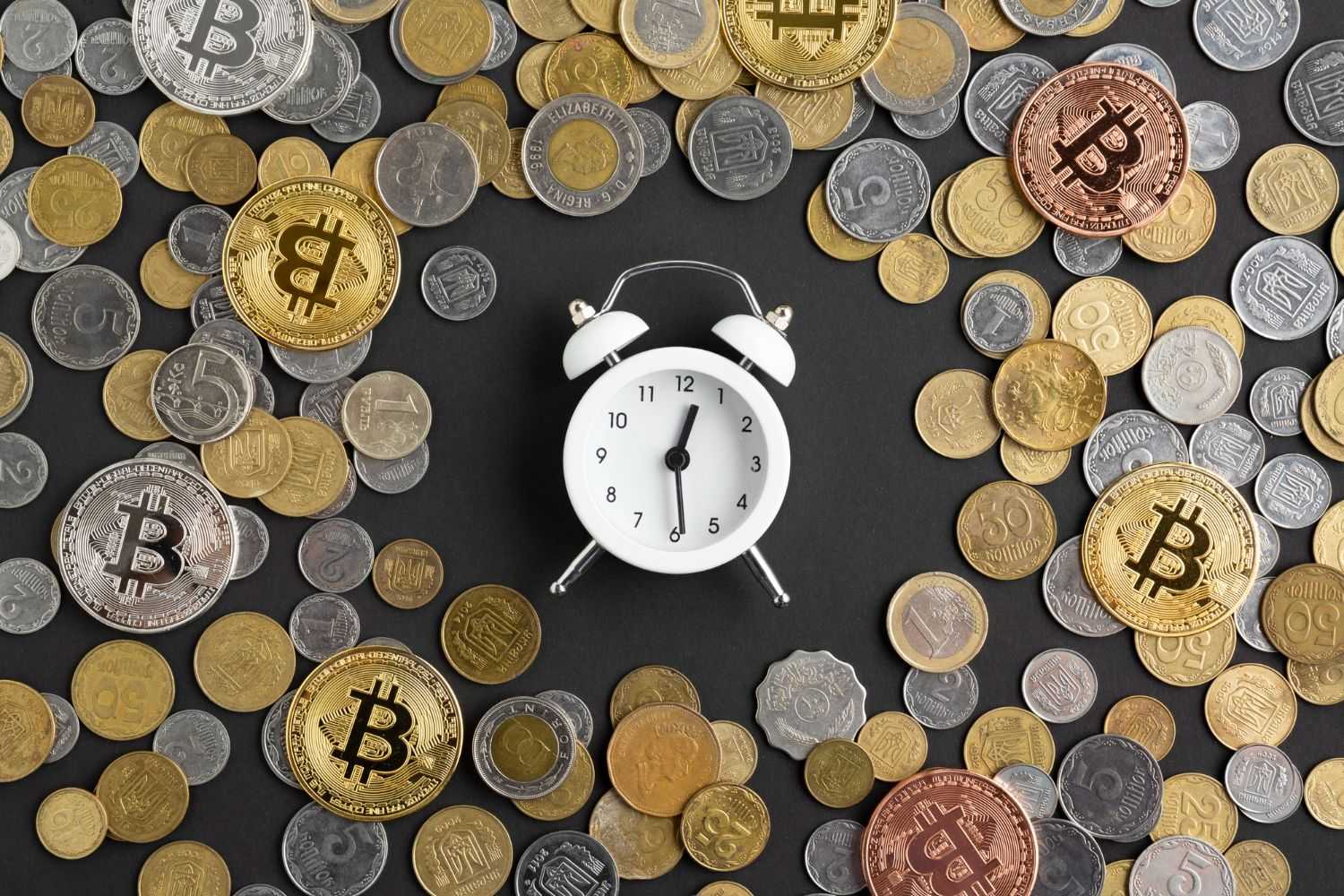
Scalping, Day Trading, Swing Trading
Scalping focuses on small movements on short-term charts, typically using 1–5 minute candles. It requires liquidity, narrow price differences, and fast execution. This method is high-intensity, high-frequency, and sensitive to fees and delays. Scalpers should trade during the busiest hours to avoid slippage.
Day trading involves opening and closing positions within the same day. Traders often watch shorter timeframes (minutes to hourly) to catch intraday changes, sometimes using longer timeframes (e.g., 4-hour trends) to filter out noise. The goal is multiple clean setups rather than one big win.
Swing trading uses multi-hour, daily, and even weekly views, with positions held for days to weeks. The aim is to capture “the middle of the movement,” not the exact peak or bottom, requiring fewer trades, bigger swings, and less time spent watching the screen.
How this relates to trading: Shorter timeframes expose you to micro-volatility and execution costs, while longer timeframes rely on broader trends and patience. Use active hours for scalping and day trading, while swing trades focus more on trend quality than the specific time.
Long-Term Investing vs Short-Term Trading
For HODLers, precise timing is less important than consistency. That’s why Dollar-Cost Averaging (DCA), which involves buying a fixed amount regularly, is the preferred long-term approach to reduce volatility and stress. Major exchanges support this natively, with Coinbase offering DCA guides and recurring purchases.
If you prefer to automate, exchanges now offer tools for recurring buys with flexible intervals (daily/weekly/bi-weekly/monthly). Binance has transitioned Auto-Invest to Convert Recurring in March 2025, and OKX provides a Recurring Buy bot, which is useful for consistent accumulation aligned with pay cycles.
In summary: Select a timeframe that fits your attention span and skills. Scalpers need speed and high liquidity, day traders need structure