
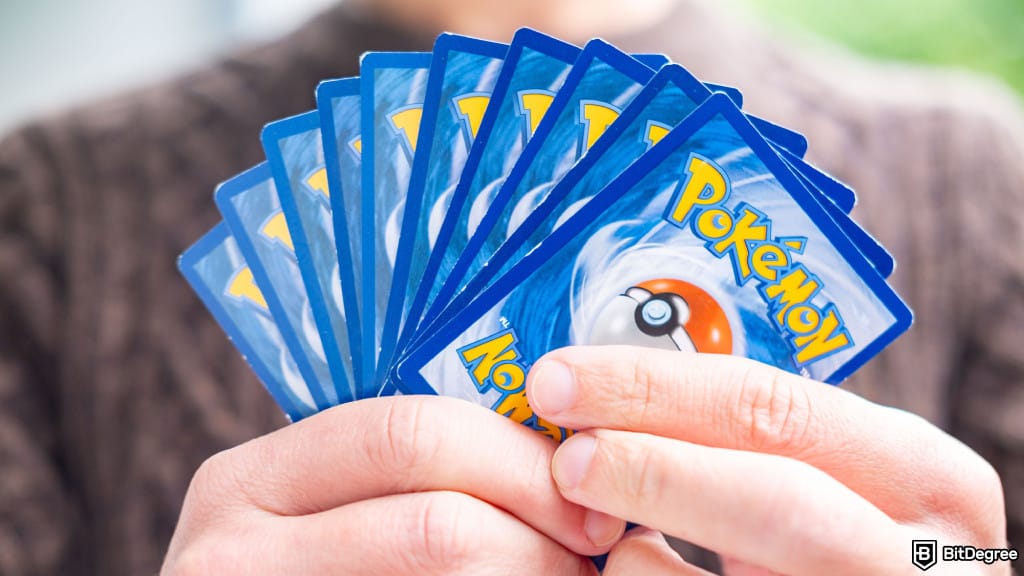
The final school bell signals the end of the day, and young Jimmy Bob is off like a shot. His backpack bounces wildly against his back, a testament to youthful energy, as a single shoelace lags far behind.
Forget about assignments; homework is the last thing on Jimmy’s mind. His thoughts are consumed by the collection of Pokémon cards carefully arranged within a binder in his bag.
Bursting through the front door, Jimmy unloads his backpack onto the nearest couch without a second thought to shedding his school clothes.
Barely ten minutes pass before the arrival of his friends: X Æ A-12, toting a shoebox overflowing with cards; Candice, her deck secured with worn rubber bands; and Chad, whose elder sibling boasts exclusive access to the most lucrative deals.
The living room floor transforms into a trading hub. Rules are ambiguous, chaos reigns, yet the pure enjoyment of the moment is undeniable. This is childhood distilled.
Years roll by, and the Pokémon cards that once fueled youthful joy now significantly contribute to Jimmy Bob’s financial portfolio, thanks to the explosive growth of the Pokémon card market into a multi-billion-dollar arena.
Beyond financial gain, some experts suggest that these cards may pioneer a path for real-world assets into the digital realm of cryptocurrency.
Danny Nelson, a researcher with Bitwise, proposes that Pokémon cards could become the first tangible asset (RWA) to achieve widespread adoption on a blockchain network.
|
|
Consider current tokenization trends, such as government bonds, real estate, and precious metals like gold.
While blockchain integration offers potential for streamlined, cost-effective trading, existing digital frameworks in these sectors are already relatively advanced. Crypto enhances efficiency, but its transformative impact remains limited.
Pokémon cards present a drastically different landscape. The market is largely decentralized, with transactions frequently conducted through physical mail, involving professional grading services, and enduring extended waiting periods.
This process, though remarkably inefficient, caters to a substantial demand.
Here is where an opportunity emerges 👀
|

Collector Crypt, a platform utilizing the Solana blockchain, aims to alleviate these inefficiencies by enabling users to tokenize their physical card collections.
Users submit their valuable cards, such as a Charizard, to be securely stored in a vault, in exchange for a unique NFT that serves as proof of ownership. The NFT can then be traded digitally, eliminating the risks associated with shipping and potential fraud.
Data indicates growing user adoption:
👉 CollectorCrypt has issued over 30,000 NFTs since its inception.
👉 Almost $81 million worth of packs have been purchased.
👉 Over 4,300 unique buyers have participated.
To foster continued engagement, the platform has introduced features like the Gacha machine, where users can deposit funds for a chance to acquire a random tokenized Pokémon card. This single feature generated $16.6 million in sales during the past week.
The platform also launched CARDS, a native token designed to fuel the ecosystem. Proceeds from token sales are used to acquire additional Pokémon cards, providing token holders indirect exposure to the card market’s performance.
The token’s value has increased by roughly 30% since its launch.
It is worth noting that a significant portion (80%) of the tokens is held by early investors, meaning sustained growth relies on attracting a steady influx of new buyers to offset any potential sell-offs.
Ultimately, Nelson posits that the broken system of physical Pokémon cards presents a substantial opportunity for blockchain-based solutions to thrive.
He speculates that this application could elevate Pokémon cards to the status of a prominent crypto success story, akin to how Polymarket popularized prediction markets as a mainstream crypto application.
Is this an overly optimistic view? Potentially.
👉 A significant portion of collectors value the tactile experience of holding physical cards, an element digital tokens cannot replicate.
👉 Currently, the surge in activity is largely driven by crypto enthusiasts seeking new investment opportunities, not necessarily dedicated collectors. The true indicator of success hinges on whether avid card collectors embrace these new platforms.
If they do, the implications could be massive.
If not, it could simply represent another passing crypto trend fueled by promising but ultimately unsustainable early adoption metrics.
|
Now you’re up-to-date. But what about your friends? They might be missing out! Perhaps you could share this with them? 😃🫵 Spread the knowledge and become the informative friend you are! |