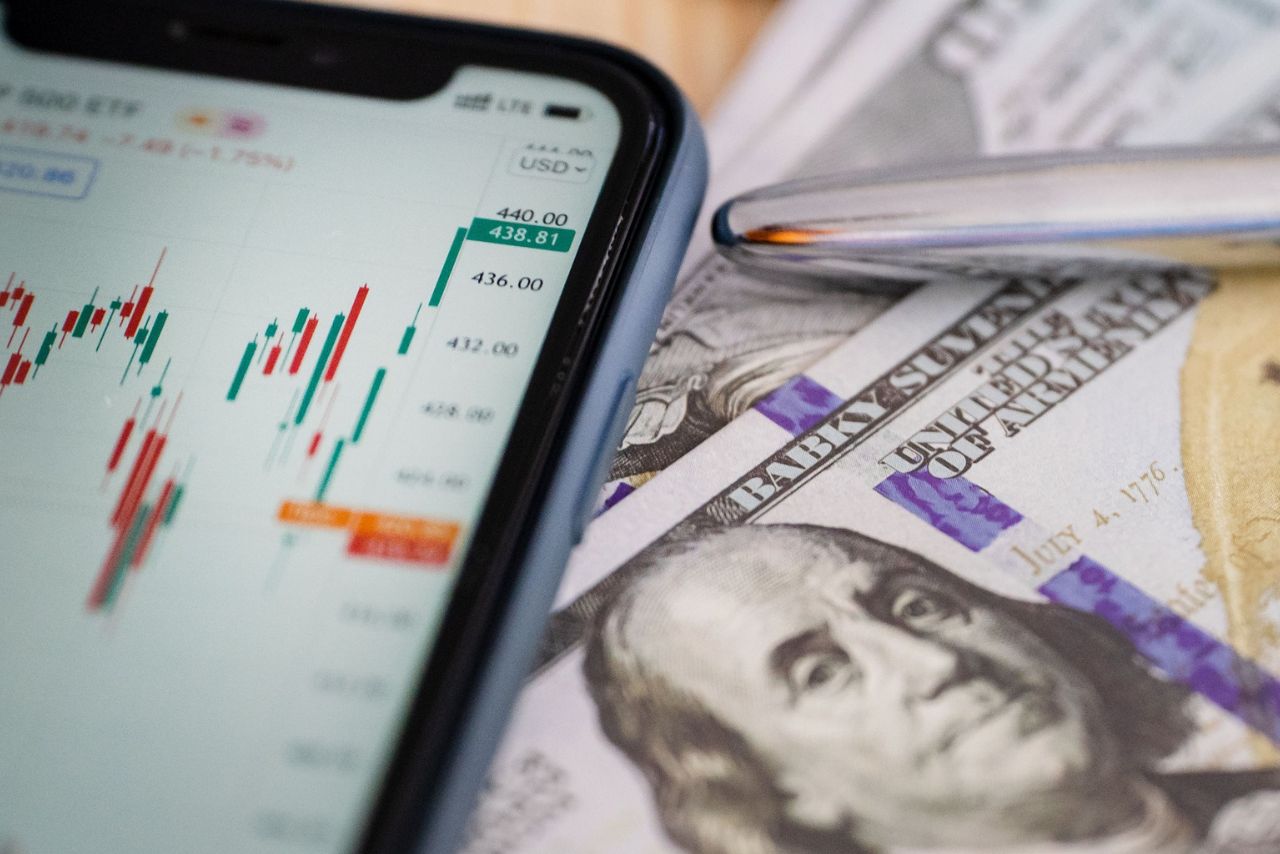
The world of investing has dramatically transformed in recent years. Technological advances are revolutionizing the strategies and methods used to manage investments.

Today’s trading platforms boast powerful features, from sophisticated algorithms to charting tools enhanced by artificial intelligence. These capabilities, once exclusively available to large institutions, are now accessible to individual investors. The influence extends beyond simple access to more data; it is redefining the very nature of investment decision-making.
The Changing Landscape of Trading: Why It’s Important
In the past, trading platforms offered only basic charts, order entry systems, and a few technical indicators. That simplicity is no longer sufficient in today’s dynamic market.
Here’s a breakdown of the key factors driving this evolution:
- Increased Market Velocity: The pace of global markets has accelerated. Hesitation can lead to lost opportunities.
- Diverse Asset Exposure: Traders now manage a wide range of assets, including forex, cryptocurrency, commodities, indices, and stocks, often from a unified interface.
- Demand for Real-Time Data: Investors are increasingly relying on up-to-the-minute technical and macroeconomic information to inform their investment strategies.
- Mobile-Centric Approach: Users expect complete platform functionality on their smartphones, not just simplified versions.
- AI and Automation: Strategies are increasingly based on automated signals and predictive capabilities.
Adapting to these changes is vital for remaining competitive. Platforms that fail to evolve are quickly becoming obsolete.
The Emergence of Integrated Trading Ecosystems
The transition from isolated trading tools to comprehensive ecosystems is a significant trend. Modern platforms now facilitate the entire trading process, from initial concept to final execution.

This includes incorporating features such as:
- Integrated Economic Calendars
- Market Sentiment Analysis Tools
- Risk Management Overlays
- AI-Powered Analytics
- Real-Time News Updates
- Live Backtesting Capabilities
This translates to fewer browser windows, fewer external resources, and minimized missed opportunities. Many still rely on their established setups through their MT4 broker, especially when those brokers provide integrations, rapid execution speeds, and support for customized strategies. The combination of adaptability and user familiarity has solidified MT4’s position, even amidst the rise of newer platforms.
MT4 vs MT5: Is There Room for Both Platforms?
MetaTrader remains a significant player in both retail and semi-professional trading, despite the increasing availability of newer platforms. It’s apparent how both MT4 and MT5 are catering to diverse segments of the trading community.
| Platform | Strengths | Ideal For |
| MT4 | Lightweight design, rapid execution, large user base, robust support for custom indicators | Forex traders, beginners, users of scripting |
| MT5 | Support for multiple asset types, a wider selection of indicators, integrated economic calendar, faster backtesting | Traders using stocks, CFDs, or strategies involving multiple assets |
For traders branching out beyond the forex market, the MetaTrader 5 download is increasingly supported by brokers. This provides in-depth insights, particularly beneficial for managing diverse portfolios.
Real-Time Management of Risk
As trading approaches become increasingly advanced, the ability to manage risk swiftly and intuitively is essential. Modern platforms now incorporate risk management tools directly into the trading environment, negating the need for manual calculations or cumbersome external applications.
Instead of relying on guesswork, traders gain instant visibility into margin usage, drawdown metrics, and overall exposure. Alerts flag spikes in volatility as they occur, and intelligent order settings enable automated responses to market fluctuations.
This immediate oversight equips traders with the assurance to scale positions or refine strategies with greater precision.
The Evolving Role of AI in Trading
AI is going beyond being a mere novelty in trading platforms. By 2025, AI offers real-time insights.
Consider a platform capable of identifying patterns in your trading history, highlighting atypical price movements, and recommending adjustments to your risk exposure based on prevailing market sentiment. These features are becoming commonplace in advanced platforms.
The true value lies not in prescribing actions, but in quietly enhancing speed, accuracy, and awareness.
What Traders are Looking For Today
Beyond speed and appealing design, traders seek a deeper level of support; that means tailor-made tools, customizable dashboards, and data that adapts to their unique decision-making processes.
The top priorities in 2025 include:
- Customisable Layouts: Users want the flexibility to organize tools according to their preferences.
- One-Click Risk Management: Quick and accessible stop-loss and take-profit orders, not hidden within menus.
- Dependable Performance: Downtime during critical market events can be costly.
- In-Platform Education: Tutorials, strategy guides, and risk warnings are desired within the trading interface.
Optimizing the Use of Trading Tools
Trading platforms are becoming crucial in the ways investors analyze, plan, and execute. As technology continues to advance, we’ll likely see a deeper integration of trading tools and macro data, predictive analytics built into the UI, and platforms learning user behavior to adapt their styles.
For active traders, having a competitive edge involves utilizing available tools effectively and customized to your preferred strategy.
FAQs
Is it worth upgrading if I’ve used the same platform for years?
Yes, modern platforms offer faster order executions, better data analytics, and more refined risk control. You don’t need to abandon your familiar setup completely, but exploring modern features can significantly improve your trading workflow.
Is AI replacing manual trading?
No. AI can highlight potential opportunities and identify market patterns, but most strategies still require human oversight and decision-making. Consider it an aid, not a substitute.
Can I automate trades without coding knowledge?
Several platforms provide pre-built strategies or easy-to-use automation features. While coding can unlock more tailored options, it’s not essential for basic automation.
Is there a risk of platforms becoming too complex?
Some platforms can appear overwhelming initially. The best platforms allow customization to cater to your skill level, enabling you to start with simple features and progressively expand.
Advertisements