
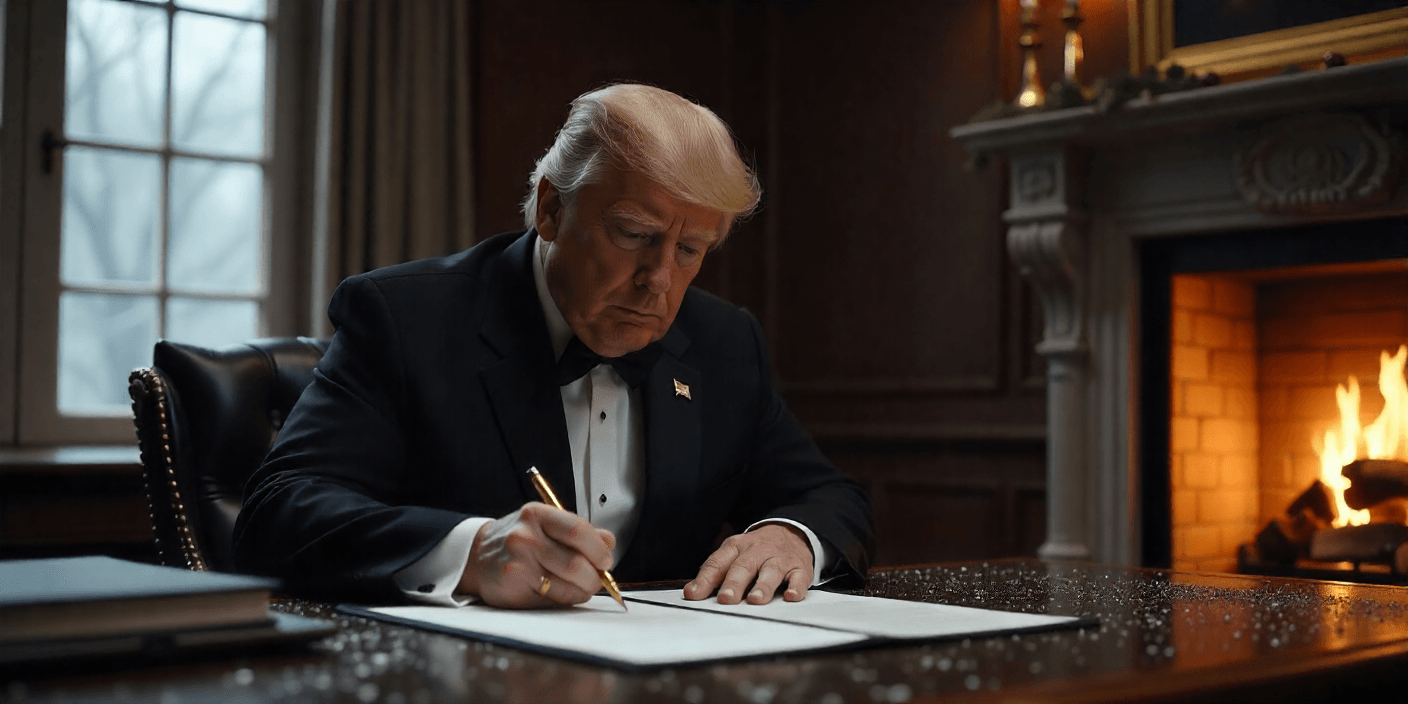
Former President Donald Trump is planning to sign an executive order aimed at addressing concerns about unfair treatment of cryptocurrency companies by United States banking regulators, according to reports. If implemented, this action could significantly alter the relationship between traditional financial institutions and businesses operating in the digital asset space.
Will This End the Effects of “Operation Choke Point 2.0”?
For more than two years, key figures in the crypto industry have contended that regulators quietly forced digital asset firms out of the established financial system. This alleged campaign has been dubbed “Operation Choke Point 2.0”. The core allegation is that regulators exerted pressure on banks to sever ties with crypto-related businesses, particularly in the aftermath of the FTX debacle. Documents obtained through a Freedom of Information Act request indicate that the FDIC even instructed banks to temporarily suspend crypto-related activities, confirming long-held suspicions within the industry.
Trump’s proposed executive order directly tackles this issue by directing federal agencies to investigate whether these regulatory actions violated antitrust or fair lending laws. If found to be true, the order could lead to legal challenges. This sends a strong message, suggesting a change in approach and potentially opening the door for crypto firms to regain access to traditional financial services.
What This Means for the Crypto Market in the Immediate Future
Should Trump sign the executive order soon, a wave of positive sentiment is anticipated to sweep across the crypto market. Cryptocurrencies and platforms that heavily rely on U.S. banking infrastructure, such as stablecoins and exchanges like Coinbase, are likely to experience a surge in value. The market often anticipates and factors in potential regulatory easing when there are clear signs of political support for crypto.
Digital assets closely associated with U.S. innovation, including Ethereum, Chainlink, and Solana, could also benefit from easier fiat on-ramps and reduced barriers for U.S.-based liquidity providers. If banks reassess their relationships with crypto companies, this could lead to increased capital inflows, improved infrastructure support, and a reduction in compliance complexities.
Potential Investor Reactions in the Weeks Ahead
The situation becomes more nuanced when considering investor reactions. Regulatory relief does not automatically imply that the SEC and CFTC will relax their oversight. Investors will closely monitor whether the Department of Justice takes concrete action based on the executive order and whether banking policies undergo genuine change. However, even the anticipation of these changes could drive the value of Bitcoin and other prominent cryptocurrencies higher in the short term.
A key indicator to watch is whether financial institutions begin re-engaging with crypto clients they previously avoided. If major banks like JPMorgan Chase or Wells Fargo subtly resume onboarding or offering services to digital asset companies, this would confirm a tangible shift rather than mere political rhetoric.
Could This Spark a Crypto Renaissance in the United States?
Not immediately. The order would initiate investigations and evaluations before any immediate enforcement. However, it establishes a foundation for change. For startups, it could remove a significant obstacle to growth: limited access to banking services. For large exchanges like Coinbase, it could lower compliance risks and strengthen their position in the U.S. market.
Furthermore, if the order restores confidence in the legal system for conservative political groups, it could align two influential groups—crypto enthusiasts and right-leaning financial supporters—under a common cause. This political alignment could influence future U.S. crypto policies for years to come.
Key Developments to Monitor
Three key aspects warrant close attention:
- Whether Trump signs the order this week or postpones it.
- The responses from U.S. banking regulators, such as the FDIC and Federal Reserve.
- Price fluctuations in U.S.-based crypto assets and publicly traded companies like Coinbase.
If this situation leads to real regulatory pressure on agencies that have marginalized crypto firms, expect a fresh influx of bullish sentiment into the market. While still early stages, the “crypto winter” in the U.S. may finally be coming to an end.
$CryptoMarket, $Bitcoin, $DonaldTrump, $ETH, $SOL, $LINK, $Coinbase, $FTX