
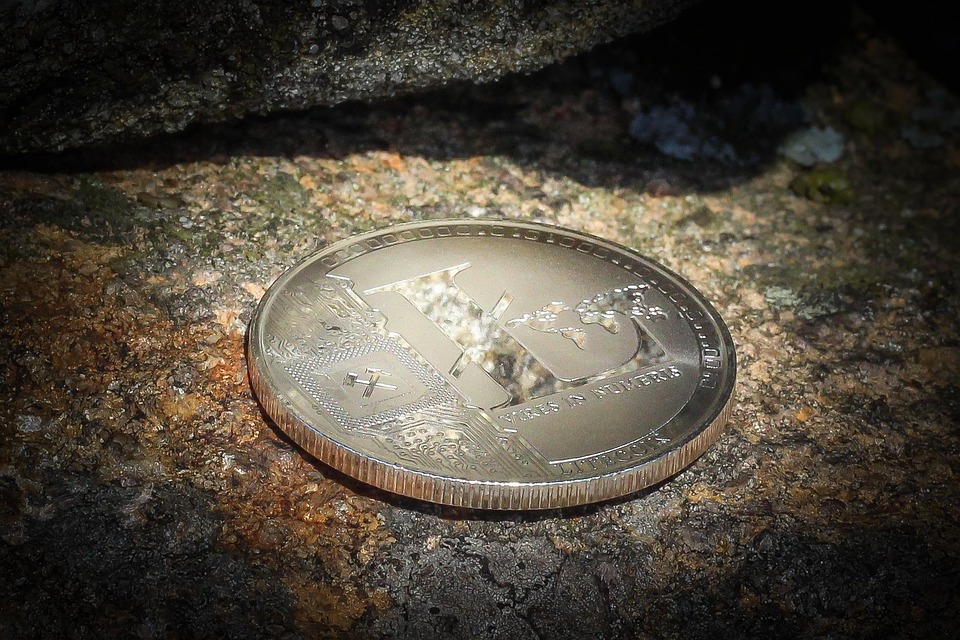
Unlocking the Mystery: A Beginner’s Guide to Cryptocurrency
The world of cryptocurrency has been shrouded in mystery, leaving many to wonder what it’s all about. With the rise of Bitcoin and other digital currencies, the interest in cryptocurrency has grown exponentially. However, for those new to the scene, it can be overwhelming to navigate the complex world of cryptocurrency. In this article, we’ll break down the basics of cryptocurrency and provide a beginner’s guide to help you unlock the mystery.
What is Cryptocurrency?
Cryptocurrency is a digital or virtual currency that uses cryptography for security and is decentralized, meaning it’s not controlled by any government or financial institution. It’s based on a technology called blockchain, which is a public ledger that records all transactions made with a particular cryptocurrency. The most well-known cryptocurrency is Bitcoin, but there are many other types, such as Ethereum, Litecoin, and Monero.
How Does Cryptocurrency Work?
Cryptocurrency works by using a peer-to-peer network, where transactions are made directly between individuals without the need for intermediaries like banks. When a transaction is made, it’s verified by nodes on the network using complex algorithms and cryptography. Once verified, the transaction is added to the blockchain, which is a permanent and unalterable record of all transactions made with that particular cryptocurrency.
Key Concepts:
- Blockchain: A public ledger that records all transactions made with a particular cryptocurrency.
- Mining: The process of verifying transactions and adding them to the blockchain, which requires powerful computers and complex algorithms.
- Wallet: A digital wallet that stores, sends, and receives cryptocurrency.
- Private Key: A unique code that allows you to access and manage your cryptocurrency.
- Public Key: A unique code that allows others to send cryptocurrency to your wallet.
Types of Cryptocurrency:
- Bitcoin (BTC): The first and most well-known cryptocurrency, launched in 2009.
- Altcoins: Alternative cryptocurrencies, such as Ethereum, Litecoin, and Monero.
- Tokens: Digital assets issued on top of another blockchain, such as ERC-20 tokens on the Ethereum blockchain.
How to Get Started with Cryptocurrency:
- Choose a Wallet: Select a reputable digital wallet that supports the cryptocurrency you want to use.
- Buy Cryptocurrency: Purchase cryptocurrency from an exchange, such as Coinbase or Binance.
- Learn About Security: Understand the importance of keeping your private key and wallet secure.
- Stay Informed: Stay up-to-date with market trends, news, and regulations.
Benefits and Risks:
- Benefits:
- Decentralized and autonomous
- Fast and low-cost transactions
- Secure and transparent
- Risks:
- Volatile market prices
- Security risks, such as hacking and theft
- Regulatory uncertainty
Conclusion:
Cryptocurrency is a complex and rapidly evolving field, but with this beginner’s guide, you’ve taken the first step towards unlocking the mystery. Remember to stay informed, be cautious, and always prioritize security. As the world of cryptocurrency continues to grow and mature, it’s an exciting time to be a part of this innovative and revolutionary technology. Whether you’re looking to invest, trade, or simply learn more, the world of cryptocurrency has something to offer everyone.
Additional Resources:
- Websites:
- CoinMarketCap: A website that tracks cryptocurrency prices and market data.
- CoinDesk: A website that provides news, analysis, and educational resources on cryptocurrency.
- Books:
- “Mastering Bitcoin” by Andreas Antonopoulos
- “The Bitcoin Standard” by Saifedean Ammous
- Communities:
- Reddit: r/Bitcoin and r/CryptoCurrency
- Twitter: #cryptocurrency and #bitcoin
By following this guide and exploring these resources, you’ll be well on your way to becoming a cryptocurrency expert and unlocking the mystery of this exciting and rapidly evolving field.