
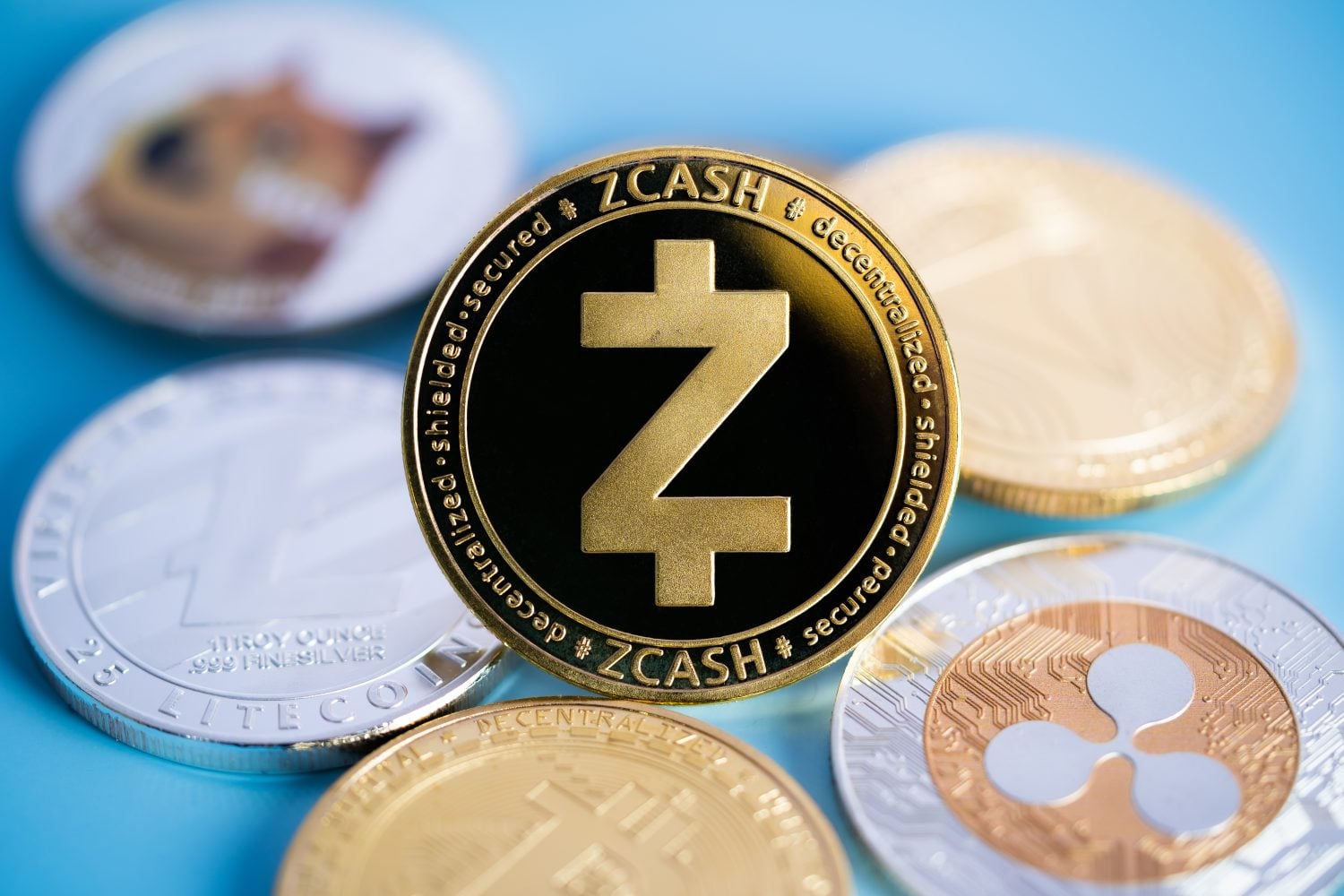
Zcash experienced an extraordinary cryptocurrency surge in 2026, but soon after, North Korean hackers began directing stolen assets through its privacy features. This development raises a pivotal question for investors: does the characteristic that fueled this rally also…
This article may contain affiliate links, and Flywheel Publishing might receive compensation based on reader actions.
Zcash (CRYPTO:ZEC) dropped 6.6% to around $1,329 on October 1, 2026, concluding an 8% weekly decline, marking the first notable downturn in Zcash’s bullish trend. Over the last year, Zcash has been a leading player in the crypto arena, amassing an impressive 1,077% gain in the past twelve months and 179% since the year began.
Zcash is a privacy-centric cryptocurrency that enables users to conceal the sender, recipient, and transaction amount. Just a day before this downturn, hackers tied to the Bitget exchange theft began inserting stolen ZEC into Zcash’s privacy framework. So, is this remarkable rally of 2026 drawing to a close, or are earlier investors cashing in after such substantial growth?(FLAG: “simply” is on the banned list)
Zcash’s 8% Weekly Decline Is Minor Relative to a 1,077% Annual Performance
The recent decline in Zcash’s value is minor when compared to its substantial yearly gains. Despite the 8% drop, Zcash remains up 71% over the month and 209% over the last 90 days. For example, an individual who invested $1,000 in ZEC at the start of July would still have around $3,087 even at the October 1 low.
This remarkable increase has propelled Zcash to become the ninth-largest cryptocurrency by market cap, valued at approximately $24.5 billion as of September 30. (FLAG: “sitting” is on the banned list)
A drawdown signifies the dip from a recent peak. Zcash’s price dipped around 17% from its late-September high of $1,600. It’s typical for cryptocurrencies that experience rapid surges to face significant declines when latecomers cash out quickly. Moreover, early investors may also sell during a slump to secure profits. In contrast, Bitcoin (CRYPTO:BTC) is generally supported by a more stable base of long-term holders, resulting in less volatility.
Curiously, while Zcash retreated, other leading cryptocurrencies witnessed gains on October 1. Bitcoin rose by 1.3%, Ethereum (CRYPTO:ETH) increased by 0.7%, XRP (CRYPTO:XRP) added 0.6%, and Solana (CRYPTO:SOL) grew by 0.3%. When one cryptocurrency declines while others increase, it often indicates market participants are reacting to specific developments regarding that coin—such as the influx of stolen Bitget funds into Zcash.(FLAG: “Interestingly” reads as AI phrasing)
Institutional Investors and Bitcoin Analysts Are Recognizing Zcash’s Privacy Features
Zcash users can move coins into a shielded pool, an encrypted area of the network. Within this pool, a zero-knowledge proof—a form of cryptographic technology—validates that a transaction is genuine without disclosing the sender, receiver, or transaction amount. Coins outside this pool function on a public ledger similar to Bitcoin, making optional privacy an appealing feature for many users.
Major investors are increasingly acknowledging the significance of this privacy aspect. Grayscale, the asset management firm behind a Zcash ETF that has attracted $306 million since August, observed that Zcash’s market valuation has climbed to about 1.5% of Bitcoin’s over the past year, up from under 1% in August. (FLAG: “recently” is relative time; the note came out in late September)
Researchers focused on Bitcoin have also taken notice. On September 25, experts from the New York cryptography lab alloc init introduced a proposal for a “Shielded Bitcoin,” which would utilize Zcash’s technology to anonymize Bitcoin transactions. Nonetheless, this design remains in preliminary stages, and an established method for transferring Bitcoin in and out of this shielded system has not yet been developed.
Bitget Hacking Incident Sees $3.9 Million of Stolen ZEC Transferred Into Zcash’s Shielded Pool
Notably, the same privacy that attracts investors can also appeal to criminals. On September 24, hackers orchestrated a theft of $387.5 million from Bitget, suspected to be linked to North Korean cyber operations. On September 30, wallets associated with the heist transferred about 2,746 ZEC, valued at approximately $3.9 million, into Zcash’s Ironwood shielded pool, created to fix previous vulnerabilities.(FLAG: second “Interestingly”)
These hackers chose Zcash after the NEAR Protocol’s risk system blocked most of a $50 million laundering attempt. Once assets are moved into the shielded pool, it becomes exceedingly difficult for investigators to trace ownership.
While $3.9 million is a minor sum compared to the total theft and Zcash’s $24.5 billion market cap, there is growing unease among holders regarding heightened regulatory oversight. Recent years have seen exchanges in Japan and South Korea delisting privacy-centric coins, and the connection to a North Korean heist presents regulators with fresh reasons to scrutinize Zcash, a potential threat that the market has yet to fully address.
Is the Zcash Surge Concluded, or Is the 8% Dip Just a Delay?
The Zcash rally is not concluded. An 8% decrease in a week is generally a typical correction for an asset that has experienced a 1,077% increase over the year. As of October 2, buyers pushed ZEC back up to $1,382, while sustained interest from large investors and Grayscale’s ETF support indicates ongoing endorsement for its privacy technology.
However, the next challenge for Zcash will hinge on regulatory scrutiny rather than mere selling pressure. If ZEC closes a week below $1,329—about 4% lower than its current price on October 2—sellers might exacerbate the pullback into a more substantial correction. Furthermore, should a prominent exchange delist Zcash or restrict shielded withdrawals due to the hacking events, the market may eventually recognize the inherent risks associated with privacy coins.
For inquiries or corrections, please contact [email protected].