
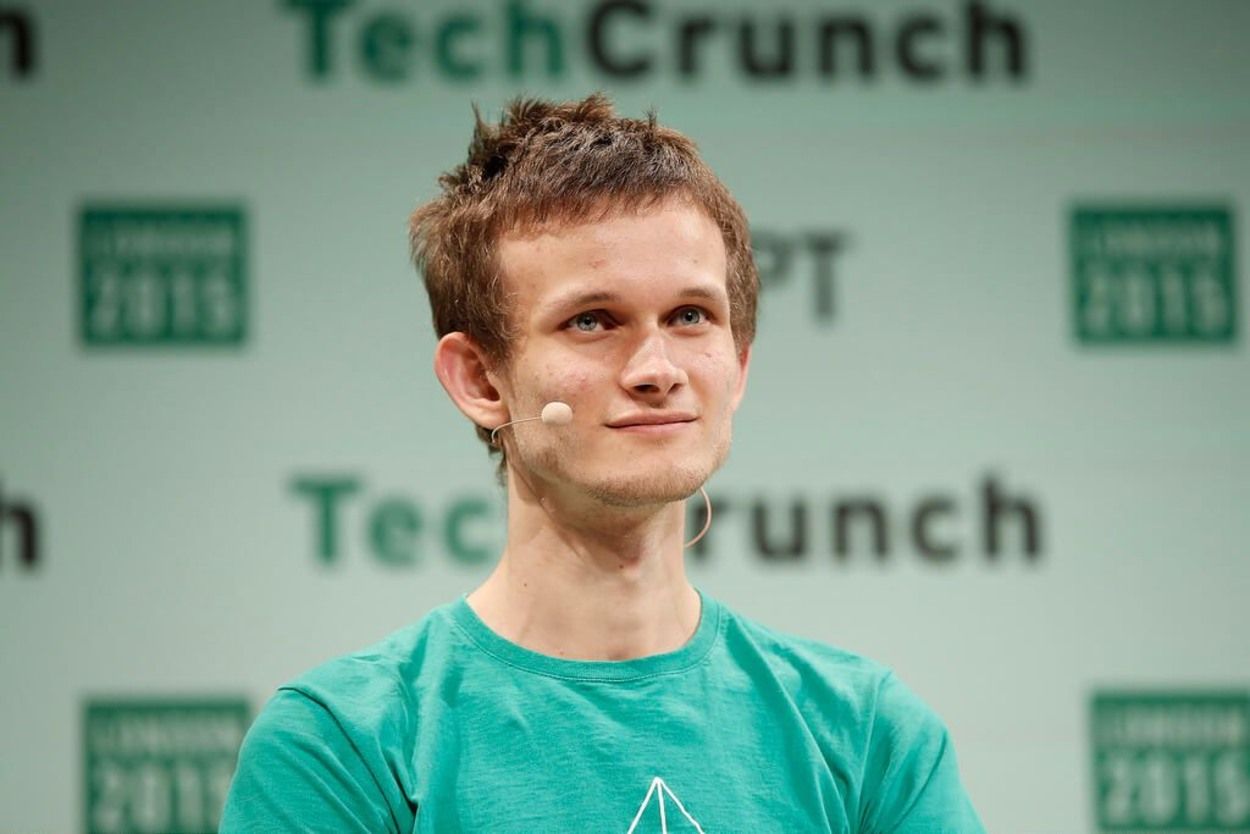
For several years, Bitcoin’s cryptographic vulnerabilities have been associated with quantum computing, anticipated to pose a risk in the 2030s. However, this week, co-founder of Ethereum, Vitalik Buterin, proposed that a different and more immediate threat could be on the horizon: artificial intelligence. He suggested that AI could accelerate mathematical advancements, potentially undermining the security of cryptocurrency wallets within a shorter time frame.
Charles Hoskinson, the founder of Cardano, responded to Buterin’s comments by labeling them as “numerology.” This exchange has sparked a significant debate on crypto security, drawing public attention to differing views from two prominent figures in the industry.
Defining “Bunker Mode” in Cryptocurrency and Its Origins
The conversation was ignited by Justin Drake, a researcher from the Ethereum Foundation. Following the release of numerous mathematical findings by OpenAI on Tuesday, Drake cautioned that AI-enhanced mathematics could potentially jeopardize ECDSA, the elliptic curve signature scheme safeguarding Bitcoin and Ethereum wallets, before quantum computing achieves its targets. His recommendation was to adopt “bunker mode” by gradually transferring assets to new addresses whose public keys have never appeared on the blockchain.
Buterin supported this caution, advising users to remain calm and not hastily relocate their coins. His broader message focused on the industry’s preparedness against quantum threats. He pointed out that many upcoming solutions are based on lattice cryptography, including the ML-KEM and ML-DSA standards finalized by NIST in 2024. However, Buterin cautioned that recent advancements in AI mathematics could challenge the effectiveness of lattice security, and emphasized that Ethereum’s strategic direction is leaning towards hash-based signatures and proofs instead.
Why Did Hoskinson Label Buterin’s Warning as Numerology?
In his response shared on Thursday, Hoskinson presented a lengthy critique. He asserted that Buterin failed to pinpoint any legitimate threat to lattice problems. He referenced the historical context of Buterin’s argument, which was based on the number field sieve that compromised RSA key sizes years ago, suggesting it derived from specific numeric structures in integer factorization. Hoskinson claimed that no analogous vulnerabilities against lattices have emerged even after forty years of cryptanalysis, and NIST’s current security metrics already account for all known advancements in lattice reduction techniques.
He further challenged Buterin’s proposal that simply increasing key sizes might safeguard against AI threats. Hoskinson dismissed this as numerology—insisting that security metrics should adapt based on quantifiable advancements in attacking algorithms, rather than arbitrary approximations. He redirected the point toward Ethereum, noting that hash functions, which have been compromised in the past, pose similar risks. If AI presents a danger to lattice structures, then hash functions are not immune either.
The personal stakes in this debate were unmistakable. Hoskinson accused Buterin of being overly committed to Ethereum’s research path to reconsider it, recalling previous shifts in Ethereum’s direction that had to be reexamined.

Is Bitcoin Currently Secure Against AI and Quantum Computing?
At present, the answer is yes. No one in this discourse claims that ECDSA or SHA-256 is compromised, nor has any AI system launched a successful attack. The central debate revolves around future investments in security measures. Buterin advocates for a dual approach to mitigate threats from both quantum computing and AI by prioritizing hash-based designs. Conversely, Hoskinson cautions that steering developers away from lattice solutions may postpone essential quantum protections, thus prolonging vulnerability.
Getting this issue wrong holds significant consequences. While hash-based signatures can facilitate transaction authorization, lattices underpin crucial functions such as encryption and key exchange that ensure privacy and secure communications—capabilities that hashes alone cannot fulfill.
What Actions Should Crypto Holders Take Regarding the Bunker Mode Discussion?
Not as much as one might expect, but certainly more than doing nothing. Both sides agree on one actionable step: practice good hygiene by avoiding address reuse. Once an address has signed a transaction, its public key becomes exposed on the blockchain—information that any future attacks could exploit. Utilizing hardware wallets, maintaining solid backups, and self-custody are foundational security practices. The CryptoTicker shop offers reliable hardware wallets for those looking to bolster their security.
Beyond this, it’s advisable to keep an eye on the researchers rather than influencers. Should AI-driven mathematics lead to real advancements in lattice reduction, it will be reflected in peer-reviewed research before it affects wallets. Until then, the debate centers on strategic pathways rather than immediate concerns to sell assets. Notably, the prices of Bitcoin and Ethereum have shown minimal fluctuations during this discourse.