
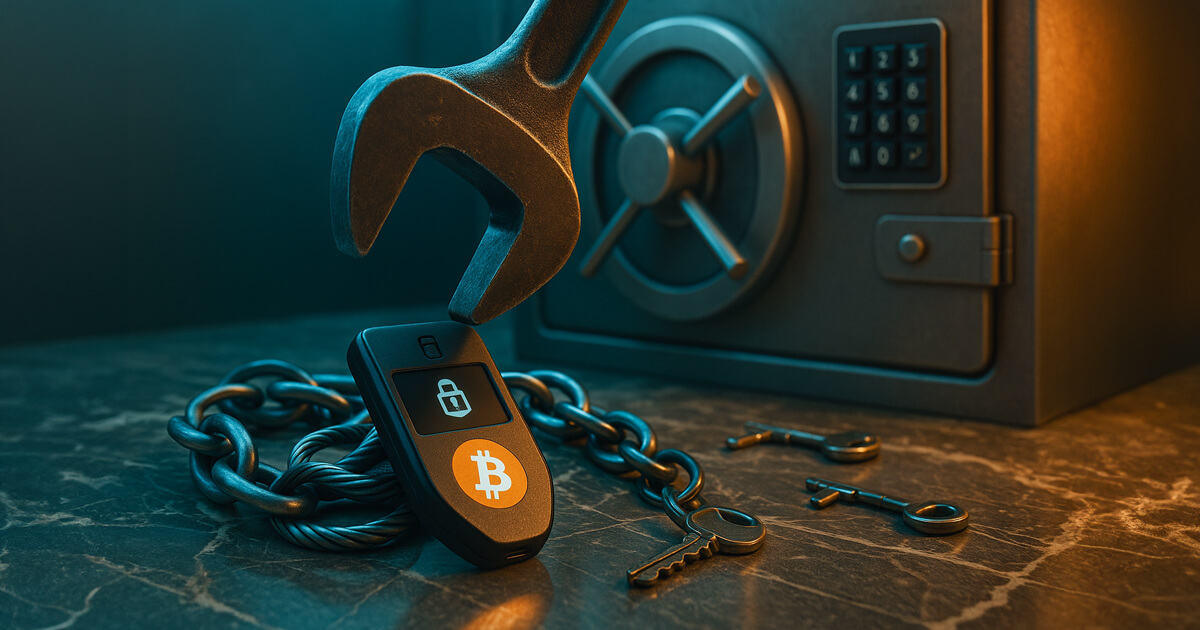

Once viewed as the ultimate statement of independence in the cryptocurrency sphere, self-custody is undergoing a transformation. The conviction of personal sovereignty is being overshadowed by a rising concern over security, particularly due to incidents of wrench attacks.
In a landscape increasingly compromised by organized crime and intimidation tactics such as doxxing and wrench attacks, seasoned Bitcoin enthusiasts are reassessing their approach; not only are they safeguarding their assets, but also re-evaluating their core beliefs.
The Emergence of Wrench Attacks
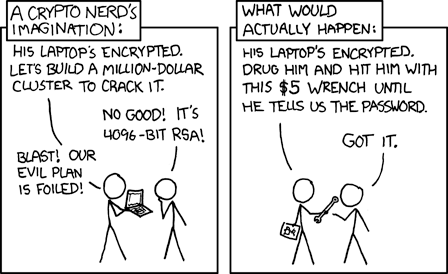
Years ago, discussions around wrench attacks were mostly relegated to niche privacy forums. The term, originating from a 2015 XKCD comic, serves as a stark reminder: while a passphrase can withstand brute-force attempts, coercion is a reality that can strip individuals of their digital security.
Jameson Lopp, a prominent figure in the Bitcoin community and co-founder of Casa, has meticulously chronicled wrench attack incidents, revealing the physical dangers faced by visible crypto holders. His comprehensive database now highlights over 200 verified wrench attack cases across 34 countries, showing a worrying trend: 52 wrench attacks this year alone indicate an alarming increase in violent incidents targeting crypto enthusiasts.
A particularly troubling case involved Russian influencer Sergei Domogatskii, who was abducted in Bali and forced to transfer approximately $4,600 in cryptocurrency under duress. Lopp remarked on how certain groups exploit travelers in Southeast Asia, demonstrating how wrench attacks can exploit jurisdictional vulnerabilities.
Shifting Perspectives on Self-Custody
Even established advocates for personal control over digital assets are reconsidering their strategies. Recently, on the podcast What Bitcoin Did, on-chain analyst Willy Woo confided:
“I’ve stopped self-custodying… I anticipate many long-term participants will follow suit.”
Woo stressed that while smaller investors ought to maintain control over their holdings, substantial wealth and a public profile introduce an entirely different set of risks, prioritizing personal safety above all else.
This sentiment echoes in the experiences of the Bitcoin Family, who have transitioned to a decentralized custody model, as they prioritize security amidst rising threats.
Didi Taihuttu of the Bitcoin Family noted, “In a hostage situation, I wouldn’t be able to reveal more than what’s accessible from my mobile; and that amount is minimal.”
Wall Street’s Growing Attraction
Surprisingly, traditional finance is appealing to some of the oldest Bitcoin investors, coaxing them to consider regulated custodians. Reports show a new wave of wealthy holders discreetly migrating their assets from cold storage to exchange-traded funds, entirely avoiding public blockchain transactions.
Through “in-kind transfers,” these investors sidestep taxes while seamlessly exchanging Bitcoin for ETF shares. BlackRock reportedly has amassed over $3 billion through this method since July, blurring the lines between crypto and conventional finance.
Bitcoin advocate Alex Gladstein expressed concern over this trend, fearing it signifies a retreat from the decentralized ideals that originally drew many to cryptocurrency.
“It feels alarming to see Bitcoin moving towards regulated custody, as this may hinder accessibility for future generations.”
The Rise of Hybrid Custody Solutions
Despite this trend, a growing number of custodians are emerging, striving to balance self-sovereignty with institutional protection against theft and coercion.
Seth for Privacy, vice president of Cake Wallet, argues that the issue of wrench attacks could lead to an evolution in self-custody rather than its decline. He advocates for innovative solutions that uphold personal ownership while incorporating safety measures to protect crypto assets effectively.