
(TNND) — The landscape of cryptocurrency ownership has shifted downwards from its peak a year ago, with financial analysts noting that this once-trendy digital asset is losing its allure among investors.
A recent survey by Gallup found that the percentage of cryptocurrency ownership among U.S. adults dipped from 14% to 9% over the past year, and from 17% to 11% among those identified as investors.
Notably, two-thirds of investors—who Gallup defines as individuals with at least $10,000 in investable assets—express no interest in purchasing cryptocurrencies. This marks a slight increase compared to last year’s figures.
The proportion of investors who indicate a desire to buy or have an interest in crypto has remained stable at just below 20%.
Demographically, younger men aged 18-49 are most likely to own cryptocurrency. However, even within this group, ownership has decreased from 33% to 24% in the last 12 months.
Professor Jay Zagorsky from Boston University’s Questrom School of Business noted that the decline in crypto prices has led “unsure investors” to seek alternative avenues for wealth creation.
Stephen Kates, a certified financial planner and the lead at Clocktower Financial Consulting, pointed out that much of the cryptocurrency market’s valuation is predominantly tied to bitcoin and Ethereum.
Kates remarked that while crypto experienced a “honeymoon phase” in the early 2020s, the market has not been as forgiving to the overall cryptocurrency environment as it has been to bitcoin.
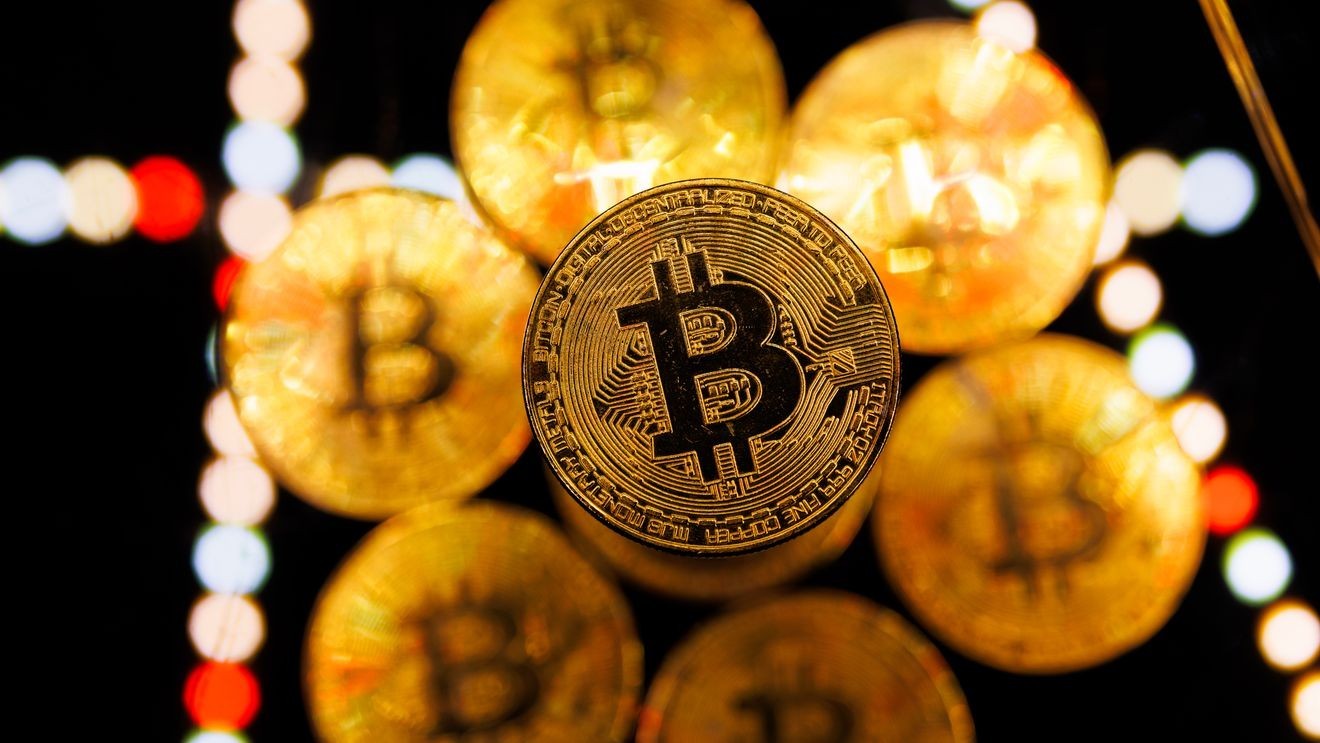
As of Tuesday afternoon, bitcoin was valued at approximately $86,000 per coin, having fallen from a record high exceeding $120,000 last autumn.
Kates anticipates that bitcoin and Ethereum will continue to be “moderately popular” yet “unstable” investment choices. However, the cryptocurrency is no longer viewed as the ultimate investment vehicle.
“With the end of easy money, cryptocurrencies must now compete with safer, yield-generating assets for investor funds,” Kates stated via email. “The emergence of sports betting and prediction markets has also increased the options available for those seeking speculative prospects, although it’s hard to gauge how much this has impacted crypto speculation.”
FILE – A cryptocurrency ATM setup in a convenience store on May 12, 2022, in Miami. (Photo by Joe Raedle/Getty Images)
Cryptocurrency functions through blockchains, which are decentralized digital records.
Unlike standard financial instruments such as stocks and bonds, crypto’s value is entirely contingent on what buyers are willing to pay based on their expectations of future pricing.
According to Gallup, a significant 63% of investors consider cryptocurrencies to be a “very” high-risk investment.
Kates believes that while bitcoin and Ethereum might have lasting significance, many other cryptocurrencies and tokens could “fade further into irrelevance, primarily serving as platforms for speculation, memes, and gambling.”