
Cryptocurrency markets experienced a downturn late Tuesday and into Wednesday as investors reacted to an unexpected legislative defeat.
ADVERTISEMENT

ADVERTISEMENT
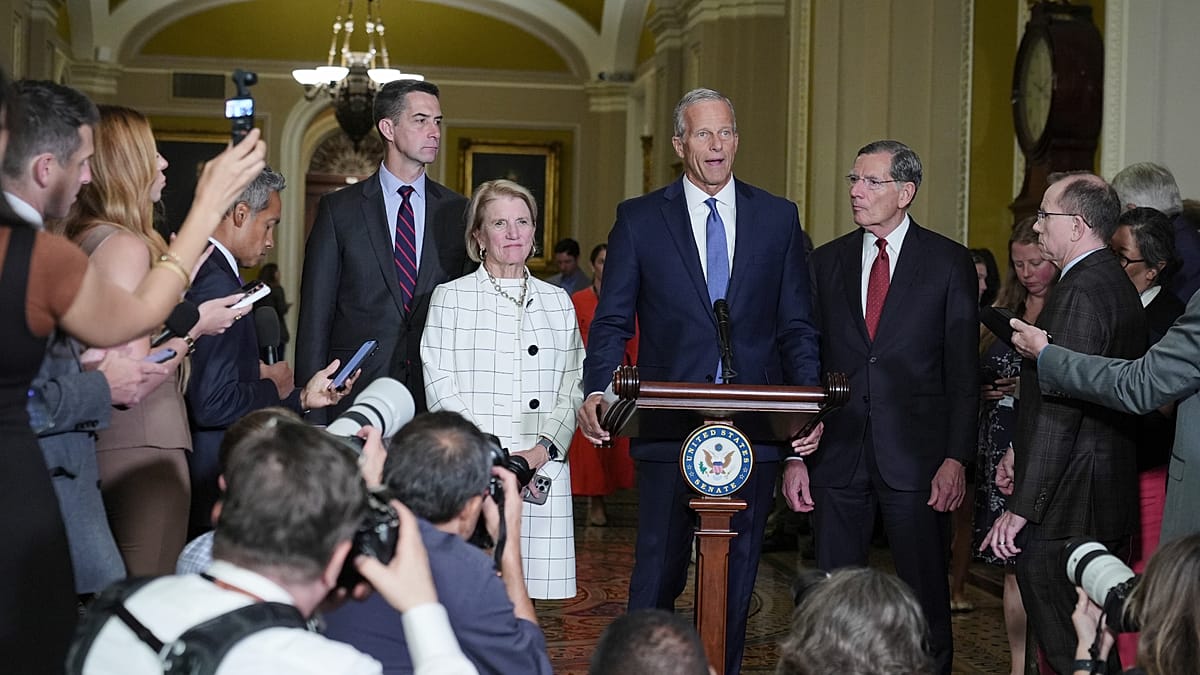
A procedural vote on the CLARITY Act failed with 49 in favor and 50 against, missing the required 60 votes needed for progression. This defeat represents a significant hurdle in the pursuit of market structure legislation this year.
The CLARITY Act, officially known as the Digital Asset Market Clarity Act, aimed to clarify the oversight of digital assets by dividing responsibilities between the US Commodity Futures Trading Commission and the Securities and Exchange Commission. This measure sought to address the disjointed regulatory landscape, which has largely relied on legal actions for classification decisions.
Bitcoin dropped nearly $34 within 24 hours, falling below $76,000. Meanwhile, HYPE, the token linked to the decentralized exchange Hyperliquid, also saw a decline of about 4%, dipping under $78.
Most other major cryptocurrencies followed suit with declines.
A Compromise That Fell Short
This vote’s failure is notable, especially considering the substantial compromises made.
President Donald Trump had agreed to ethics limitations he had previously resisted, which included a mandate for federal officials and their spouses to either divest substantial financial holdings in cryptocurrency companies or place them in a blind trust, alongside involving state attorneys general in enforcing these stipulations.
Republican negotiators highlighted that over 120 requests from Democrats were incorporated into the final version of the extensive bill, showcasing a significant bipartisan agreement.
Despite these concessions, it was insufficient for passage.
Four Republicans, including Jerry Moran, Susan Collins, Josh Hawley, and Thom Tillis, sided with the 45 Democrats who opposed the bill, while Democratic Senator Chris Coons abstained from voting.
Senator Elizabeth Warren, a leading critic of the bill, stated that it “fails to adequately protect investors, our financial system, and national security,” also criticizing Trump’s cryptocurrency initiatives during a Senate session just hours before the vote.
Thom Tillis’s no vote was procedural; after publicly supporting the ethics provisions earlier that day, he voted against to maintain the option for a future reconsideration vote.
Senator Cynthia Lummis, a prominent advocate for cryptocurrency legislation in the Senate, expressed her disappointment, stating bluntly, “I think we’re done. It’s over,” before expanding her views in a social media post.
In that post, she remarked, “The once-proud Democratic Party is anti-consumer and pro-illicit finance, anti-ethics, anti-free enterprise, anti-worker, anti-livable wage jobs, and pro-socialism.”
This unsuccessful vote likely means that the crypto industry must wait until next year for clearer regulatory guidance.
With the US midterm elections approaching in just seven weeks, revisiting the bill in the near term is complicated.
Senators are expected to leave Washington in early October and will not return until after the elections, while the House will recess even sooner, ending their sessions at the close of this week.
Members of Congress, especially those facing tight races, are eager to return to their home states to campaign.
Regulatory Challenges Ahead
Although the bill’s failure is a setback, it doesn’t signify a halt in regulatory progress. Instead, it suggests that federal agencies will likely assume a more significant role in crafting rules.
The SEC, under Paul Atkins, and the CFTC, under Michael Selig, have already been proactively developing a framework independent of congressional input.
In March, the two agencies signed a cooperation agreement and released a joint classification of tokens into five categories, with Atkins asserting that most crypto assets do not qualify as securities by nature.
The SEC’s agenda includes exemptions for token launches, a safe harbor for decentralizing projects, and guidelines for custody and trading venues.
Analysts predict an intensification of these efforts now.
However, the challenge remains in stability, as rules established by agencies can be altered by subsequent administrations, which the CLARITY Act aimed to alleviate.