
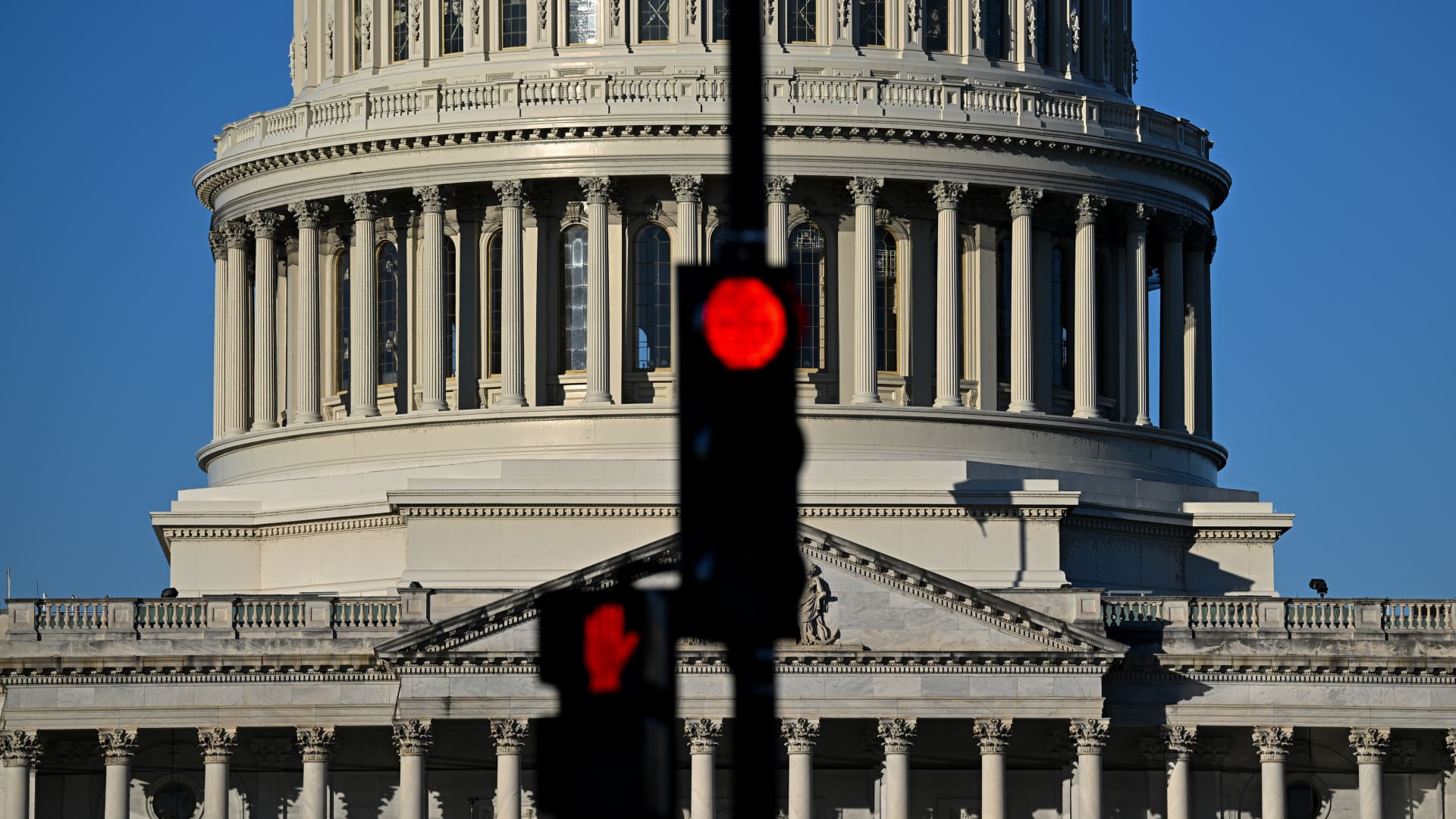
On Tuesday, the Senate voted to halt the progress of the Clarity Act, striking a significant blow to the cryptocurrency sector’s efforts for a unified market regulatory framework.
This procedural vote has left the measure stalled on Capitol Hill after extensive negotiations aimed at garnering bipartisan backing. Over the weekend, Republican leaders introduced an updated version of the bill that included new ethical guidelines to address Democratic concerns over public officials profiting from cryptocurrency businesses. However, these modifications did not sufficiently alleviate the remaining opposition.
This vote marks a major setback for the cryptocurrency industry, which had been optimistic that there would be enough support among senators to push the bill forward. In the lead-up to the vote, Democrats voiced their dissatisfaction with Republican negotiators for not meeting their ethical standards concerning profits derived from cryptocurrency ventures involving President Donald Trump and his family.
Senator Ruben Gallego, D-Ariz., one of the key Democratic negotiators, stated before the vote, “The compromise we had was a solid ethical solution that could have attracted significant Democratic support.” He accused Republicans of prioritizing the president’s financial interests over the need for regulatory measures, thus resulting in a failure to improve the overall system.
The value of Bitcoin saw a decline of 3%, while Coinbase and Circle experienced drops of 8% and 10%, respectively, during a broader market downturn.
The procedural vote ended with 50 senators in favor and 49 against, falling short of the 60 votes required to advance.
Proposed Crypto Framework
The proposed legislation aimed to create a regulatory framework for cryptocurrencies, allocating oversight roles between the Securities and Exchange Commission and the Commodity Futures Trading Commission, establishing registration requirements, and enhancing protections against money laundering.
The importance of Tuesday’s vote for the crypto sector hinged on whether the Clarity Act could proceed for further Senate debate and scrutiny. Even if it had passed this stage, it would still need to clear additional negotiations and votes in the Senate and then move through the House before reaching the desk of President Trump.
While industry leaders and investors believe that such legislation would provide clarity and attract long-term investment, much of the crypto sector seems to be accepting the reality that regulatory progress may need to be pursued outside of Congress. For instance, the SEC has suggested allowing startups to raise up to $75 million in tokens without registration, and the CFTC has recently approved the first U.S. bitcoin perpetual futures.
The failure of this vote likely means the cryptocurrency industry will have to wait until next year for clearer regulations. Senator Cynthia Lummis, R-Wyo., a leading advocate for the crypto sector in the Senate, told reporters earlier that “it’s over” if the procedural vote for the Clarity Act did not succeed.
Compounding the challenges of bringing the bill back for discussion is the upcoming midterm elections in seven weeks. Senators are set to leave Washington in early October and will not return until after the elections, while the House will recess even sooner, concluding business at the end of this week. Many members, particularly those in competitive races, are eager to return home to focus on campaign efforts.
Tuesday’s vote may also clear the way for Fairshake, a political action committee for the cryptocurrency sector, to support candidates opposing senators who voted against the Clarity Act.