

The price of XRP (CRYPTO:XRP) has recently dipped below the $1 mark twice within just five days, hitting a yearly low of $0.9915 on August 11 and slipping below the threshold again on August 14. The last instance of XRP falling under this crucial support level was back in 2021, a period which lasted nearly three years before it was regained.
Currently, XRP is trading approximately 46% lower than its price of $1.88 recorded on January 1. With buyers struggling to maintain the $1 support, what are the prospects for the XRP price moving forward?
XRP’s Historical Performance After Dropping Below $1 Since 2021
From August to November of 2021, XRP’s pricing fluctuated between $0.90 and $1.30 as the overall cryptocurrency market declined, ultimately closing below $1 on November 26, 2021.
The SEC lawsuit against Ripple initiated in December 2020 exerted continuous pressure on XRP throughout this time. Multiple exchanges removed the token, and institutional investors largely refrained from entering the market as uncertainty regarding its regulatory standing lingered.
XRP remained under $1 throughout the 2022 Terra/Luna crisis, which triggered further sell-offs, dropping the price to around $0.29. The FTX fallout in November 2022 exacerbated this decline, keeping XRP under $0.50. Throughout 2023, XRP attempted several times to regain the $1 mark but was unable to stay above it due to ongoing regulatory uncertainties.
On November 16, 2024, XRP managed to surpass $1 again, largely propelled by Donald Trump’s re-election. Within eight months, it reached a record high of $3.65, but those gains quickly diminished as market sentiment soured. By August 11 and 14, XRP fell below $1 once more, but has since made a recovery to trade at this level.
The Significance of the CLARITY Act for XRP

The push for regulatory clarity has been a primary driver for XRP, with the CLARITY Act being a significant catalyst. Following the Senate Banking Committee’s 15-9 bipartisan vote on May 14, XRP saw a surge above $1.50 before retreating back to around $1.40.
This drop resulted from profit-taking in the $1.44 to $1.46 range, where roughly 1.16 billion XRP were purchased by investors aiming to recover their initial investments. There has also been around $3 billion in sell orders positioned above these prices.
Since May, progress on the CLARITY Act has stalled in the Senate, as the chamber entered its August recess without a review. However, Senate Majority Leader John Thune filed a cloture motion on August 8, with a procedural vote anticipated on September 15. Cloture is the process that concludes debate and forces a vote on the legislation, which will determine if the CLARITY Act receives a full Senate vote.
This motion requires 60 votes, necessitating at least seven Democrats to join the 53 Republicans. Galaxy Research anticipates at least two Republicans might oppose it, pushing the requirement closer to nine. If cloture is successful, XRP could rise toward $1.50 in September and potentially target $2 following a full Senate vote, although Galaxy Research assesses an only 10% chance of the bill becoming law in 2026.
Additional Factors That Could Propel XRP Beyond $1
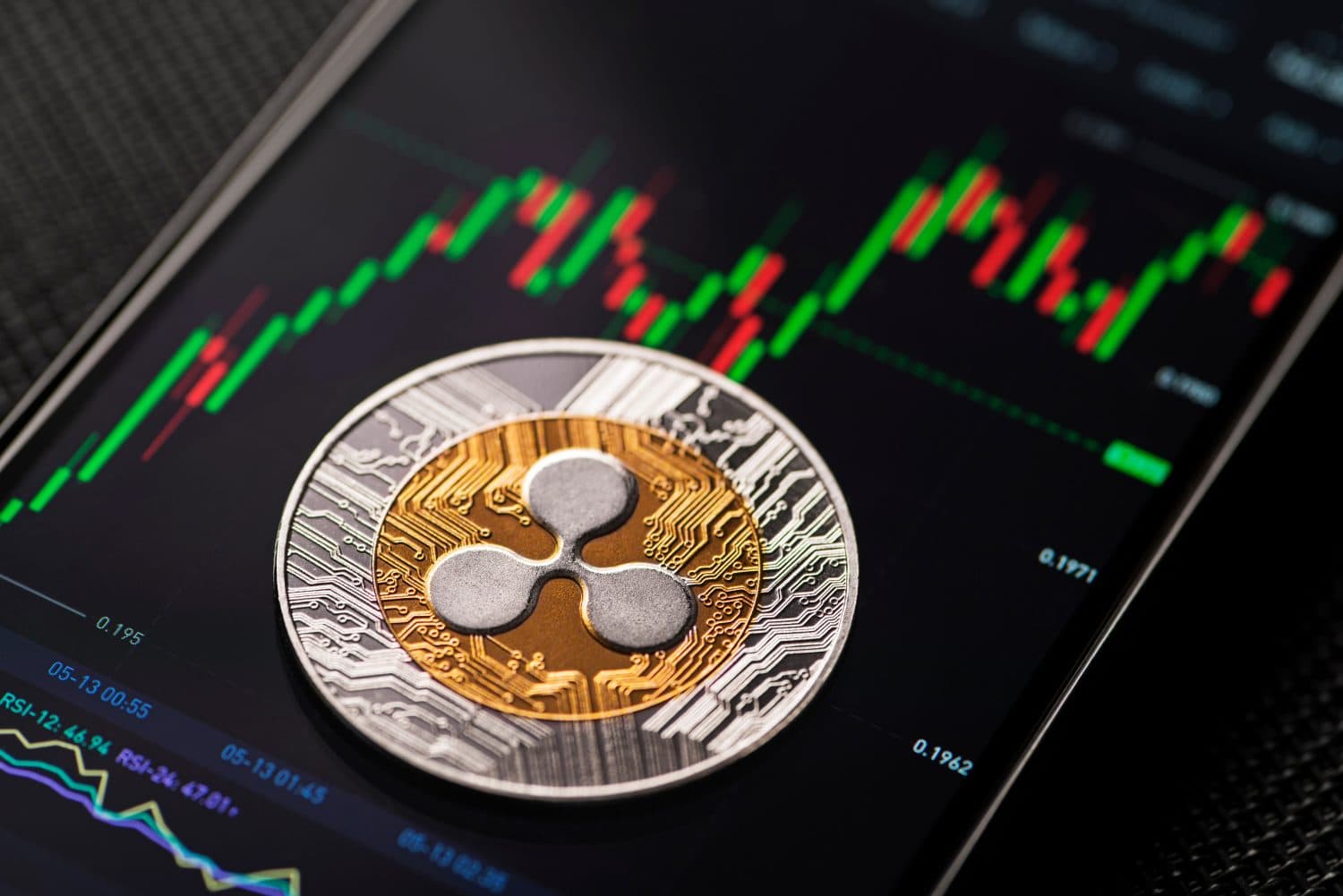
While the CLARITY Act stands out as the key catalyst to monitor, there are two additional developments that could assist XRP in surpassing the $1 threshold.
Expansion of Ripple’s Cross-Border Payments
In 2026, Ripple advanced its cross-border payment capabilities through partnerships with Deutsche Bank, JPMorgan, and Mastercard.
Ripple also secured full approval from the EU for a MiCA Crypto Asset Service Provider (CASP) license, along with an EU Electronic Money Institution (EMI) license, enabling it to offer services to entities across all 30 EEA countries through a single regulated relationship.
Despite these agreements not impacting the XRP price directly—since they utilize Ripple’s payment infrastructure rather than necessitating XRP purchases—they could be significant if the CLARITY Act is enacted. This could provide institutions the regulatory assurance and structure needed to utilize XRP, potentially driving its price toward $2.
XRP ETFs
XRP ETFs have accumulated $1.51 billion in total inflows since their inception in November 2025, indicating steady institutional demand even amidst market downturns. However, this year has seen a collapse in inflows, with XRP funds attracting only $3.27 million in August, a staggering 93% decrease in weekly inflows as of the week ending August 8.
If monthly inflows recover to May’s figures of $131.94 million, these funds would absorb supply in the market, introducing buying pressure that could help XRP maintain a price above $1.
What If XRP Cannot Reclaim $1?
Having dropped below $1 twice in August, XRP was able to recover past this level each time. However, should buyers fail in the next attempt and market conditions stagnate in September, XRP may trade under the $1 mark again, marking a repeat of its position in late 2021.
If XRP loses the $1 support, it could find itself trading between $0.80 and $0.95 in the short term. Without a surge past $0.95 by Q4, the XRP price might descend to around $0.70.
Nevertheless, another protracted period below $1 seems unlikely. Such a scenario would necessitate a sustained bear market in cryptocurrencies, a hindrance in Ripple’s cross-border expansion efforts, and a loss of XRP’s current drivers—all of which do not appear probable at this time.
For inquiries or corrections, please reach out to [email protected].