
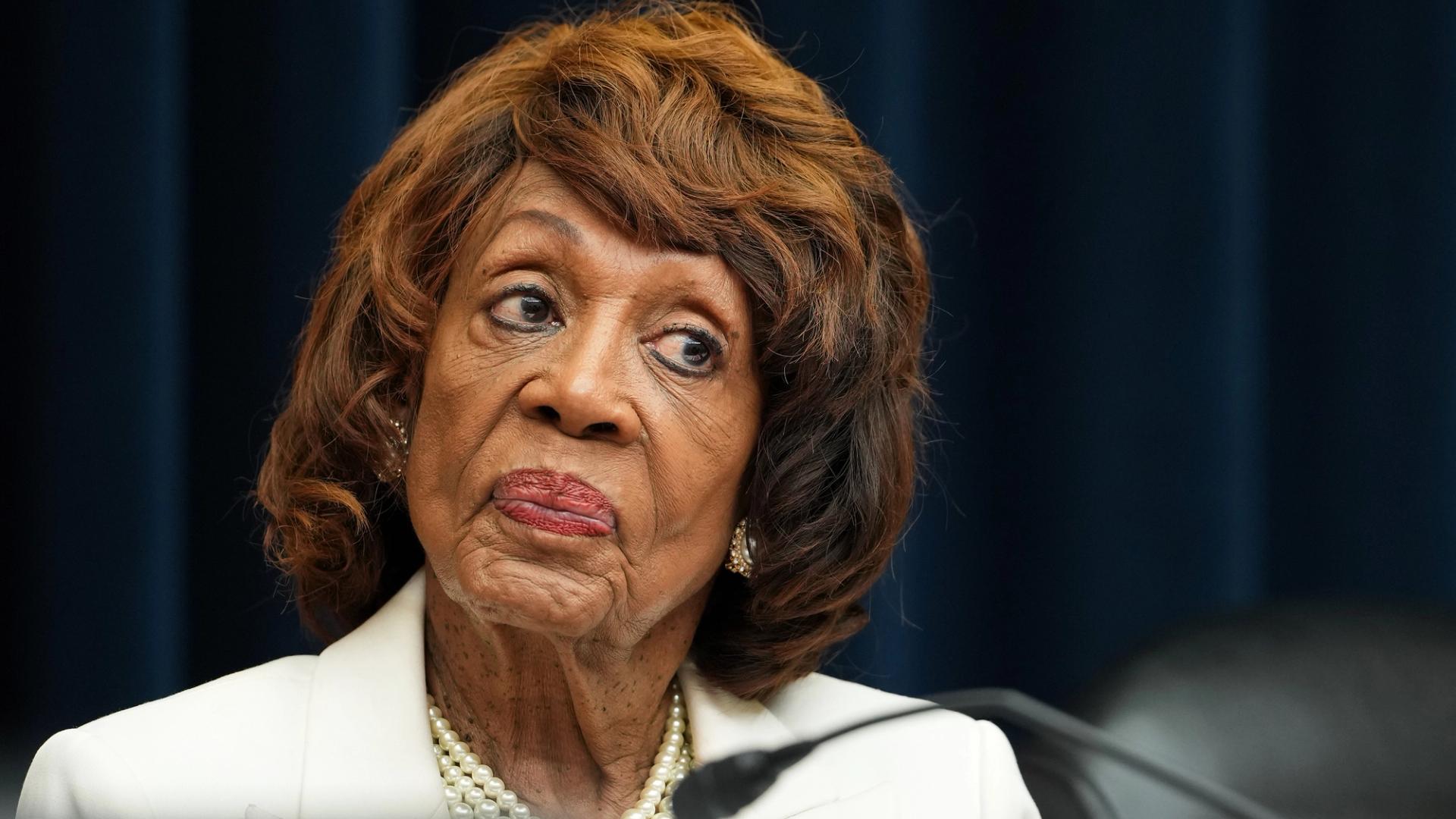
“I opposed the GENIUS and Clarity acts because they fall short in tackling abuse and risk fostering corruption,” she stated last year. “In a period when the current president is personally profiting from cryptocurrency and memecoin initiatives, these proposals do nothing to address conflict-of-interest gaps.”
Even with Waters and Brown at the helm of cryptocurrency regulation in the House, the White House will remain unchanged. Should the Democrats succeed in gaining a more substantial majority than the slim Republican edge seen recently, the upcoming sessions may be filled with unproductive, symbolic legislation. Furthermore, even if the party secures control of the Senate, it does not guarantee their ability to enact laws effectively.
On the Senate front, Senator Warren has emerged as a key critic of the cryptocurrency sector, consistently drawing attention to what she has described as the president’s unethical behavior regarding crypto. Yet, during her tenure as the top Democrat on the Senate Banking Committee, she observed her Democratic colleagues diverging from her stance on cryptocurrency, engaging in discussions over legislation she opposed.
If she were to take the reins of the committee, she might wield greater influence over the progression of her party’s proposals. Following the example set by the last Democrat to lead the banking panel, former Senator Sherrod Brown, she could potentially delay any crypto legislation for several years. (Brown, who lost to pro-crypto Republican Senator Bernie Moreno two years ago, largely due to a significant $40 million crypto PAC backing, is also campaigning for a different Senate seat in Ohio.)