
282
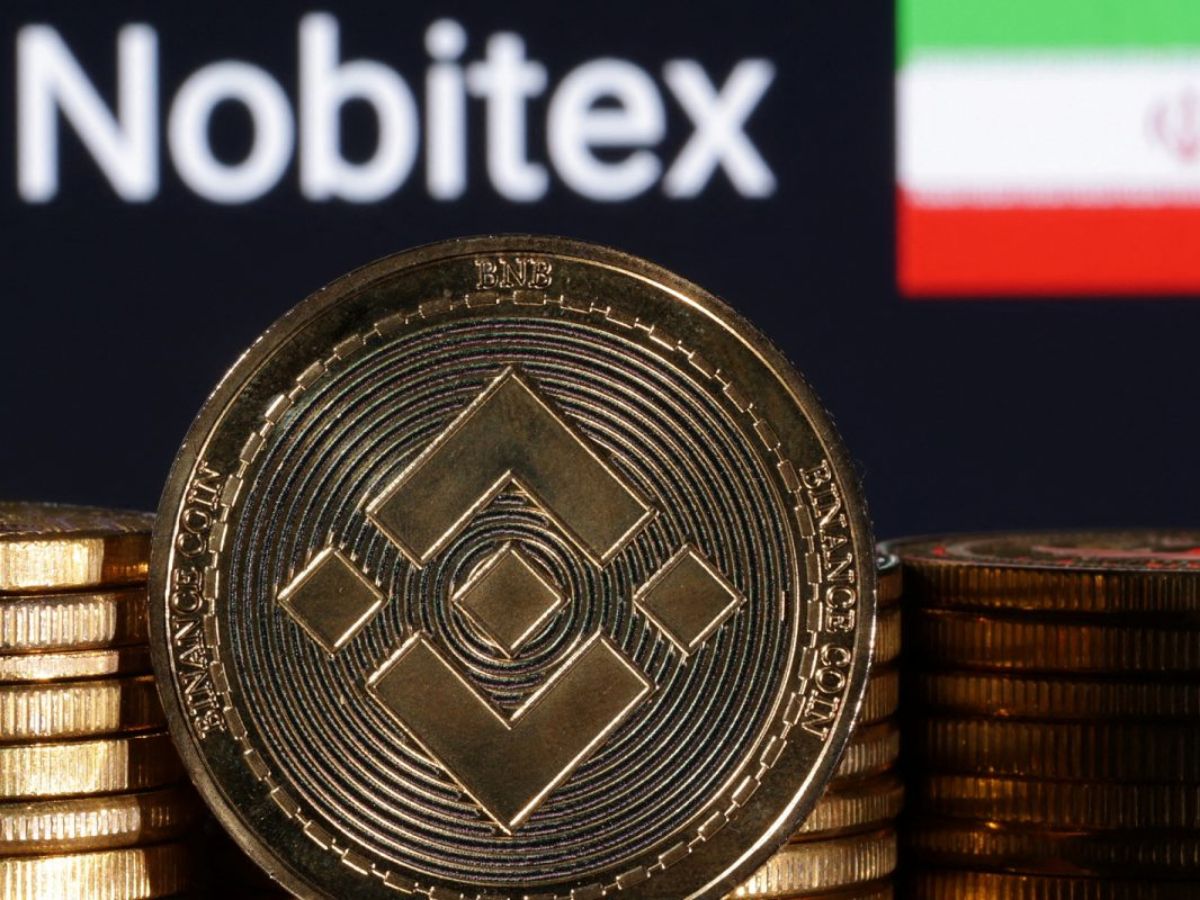
Latest Developments in Cryptocurrency: The United States has intensified its economic pressure on Iran by imposing new sanctions on the country’s largest cryptocurrency exchange, Nobitex, as well as three additional prominent digital asset platforms. This action underscores Washington’s increasing scrutiny of Iran’s crypto sector, which officials assert has become a vital channel for financial transactions amid ongoing international sanctions.
This recent initiative also includes sanctions against several high-ranking executives and founders associated with these exchanges. Additionally, US authorities have issued a warning to international firms operating in the vicinity of the Strait of Hormuz.
US Treasury Extends Sanctions to Iranian Crypto Sector
The US Treasury Department has identified Nobitex, Iran’s primary cryptocurrency exchange, along with other significant platforms in the Iranian digital finance landscape, as key targets of these sanctions.
Officials believe that these exchanges are playing an ever-increasing role in Iran’s economic framework and may facilitate transactions that evade current economic restrictions.
Nobitex has gained prominence in Iran’s crypto landscape, reportedly accounting for over fifty percent of the nation’s digital asset inflow in 2025, reflecting its significant impact on Iran’s expanding crypto markets.
Additional Executives and Founders Included in Sanctions
The Treasury’s latest directive not only targets corporate entities but also focuses on several individuals connected with the specified exchanges.
Individuals sanctioned include:
- Amir Hossein Rad
- Mohammad Aghamir
- Mohammad Ali Aghamir
- Ali Khoyi
Amir Hossein Rad, a co-founder and key executive at Nobitex, has previously been in the spotlight for his role in restoring operations following a cyberattack on the platform in 2025.
By sanctioning these individuals, US authorities aim to curtail their access to the American financial system and amplify pressure on the leadership of Iran’s major crypto enterprises.
Four Iranian Cryptocurrency Platforms Face New Sanctions
The latest wave of sanctions encompasses several leading crypto exchanges in Iran, including:
- Nobitex
- Ramzinex
- Wallex
- Bitpin
US officials contend that these platforms have become integral components of Iran’s digital financial infrastructure.
The sanctions also target individuals and entities suspected of being part of broader financial networks linked to Iran.
What Drives Washington’s Attention Toward Iran’s Cryptocurrency?
In Iran, cryptocurrency has emerged as a favored alternative for individuals and businesses looking for solutions amid rampant inflation, fluctuating currency values, and restrictions on international banking. Experts indicate that digital assets provide quicker access to global financial markets and serve as alternatives to conventional banking methods.
Market analysis suggests that trading volumes on Nobitex alone reached billions of dollars between 2025 and the start of 2026, indicating the rapid expansion of Iran’s crypto industry. Concurrently, US officials assert that these digital asset platforms could allow sanctioned entities to execute transactions outside traditional financial systems.
Treasury Warns About Activities Near Strait of Hormuz
In conjunction with the sanctions announcement, the Treasury Department issued a caution to international shipping and logistics firms regarding operations tied to the Strait of Hormuz. Officials warned that engaging in transactions benefiting sanctioned Iranian entities could lead to legal and financial repercussions.
The warning encompasses various payment options, such as traditional currency transactions, cryptocurrency payments, barter exchanges, and other informal financial mechanisms. US authorities also advised that sharing sensitive information about vessels with sanctioned parties could result in enforcement actions against companies.
Implications of US Sanctions on Iran’s Nobitex
The latest sanctions mark a significant escalation in Washington’s overarching strategy to exert pressure on Iran’s financial networks. By targeting cryptocurrency exchanges and their leadership, the US aims to limit access to financial channels that have gained substantial traction in recent years.
These sanctions prohibit the affected individuals and entities from engaging with the US financial system, while also serving as a caution to international entities continuing to work with the designated platforms.
As tensions between the US and Iran remain elevated, analysts predict increased scrutiny of Iran’s digital finance landscape and further enforcement actions aimed at cryptocurrency networks in the coming months.